

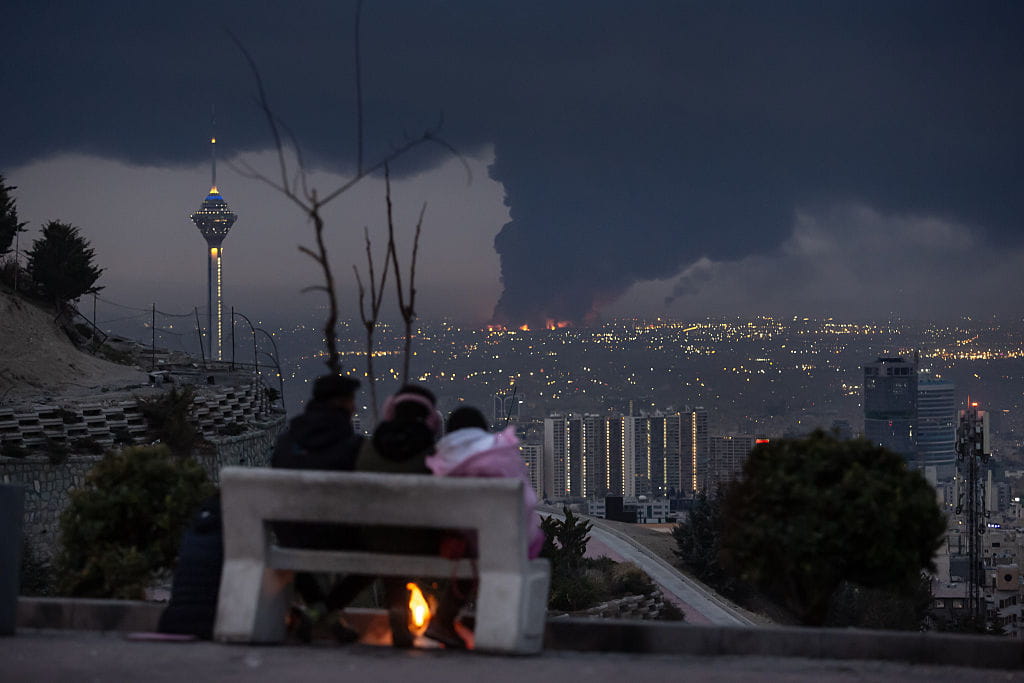
Within two weeks of strikes aimed at removing the Supreme Leader and his murderous regime, the political fallout has been immediate and sharp, with predictable left-wing outrage and growing debate on the right over how the president has prosecuted the conflict.
The president’s decision to authorize strikes on Iran has forced Americans to decide whether firmness and risk are preferable to endless hesitation. Those who support decisive action argue that targeting the regime’s leadership is a legitimate effort to protect American lives and deter future aggression. Opponents warn about escalation and long-term entanglement, but that caution should not be mistaken for strength.
Left-leaning commentators reacted almost instantly, framing the operation as reckless and unlawful without engaging the underlying security threats that prompted it. They question the legality and the human cost while ignoring the provocations that pushed the president to act. Their reflexive opposition reveals more about political allegiance than about strategic assessment.
At the same time, notable voices on the right have started to critique how this 14-day-old conflict has been managed, emphasizing the need for a clear plan beyond kinetic strikes. Conservative critics worry that without a coherent follow-through, tactical success can quickly turn into strategic ambiguity. They want clear objectives, rules of engagement, and a political strategy that matches military action.
Those concerns are legitimate but should not undermine the essential point: a murderous regime that threatens the region and American interests cannot be allowed sanctuary for its actions. America must be capable of decisive responses when deterrence fails, and that credibility depends on leadership willing to accept short-term risks for long-term security. Republicans should make the case that courage and clarity together produce the best outcomes.
Part of the right’s unease comes from the lack of communication about endgames and metrics for success, which voters understandably demand. The president and his advisers need to outline what success looks like and how the United States intends to avoid getting stuck in an open-ended fight. Accountability is not a surrender to opponents; it is a way to shore up public confidence and keep the coalition together.
Critics also raise concerns about unintended consequences, including regional escalation and the safety of American forces and partners. These are real risks that deserve serious planning and contingency measures, not reflexive condemnation of the decision to act. A responsible Republican stance combines firmness in the face of threats with contingency planning to manage the fallout.
On messaging, conservatives should not cede the moral high ground to the left simply because opponents prefer solipsistic virtue signaling over national security. The American public respects firmness when tied to a coherent narrative about defending lives, commerce, and international norms. Republicans can lead by framing strength as a moral duty and by insisting on practical steps to reduce risk and increase pressure on the regime.
The politics of this moment will test both the White House and the Republican movement that supports decisive foreign policy. Lawmakers and pundits who call for oversight and clarity are right to press for answers, but those demands must be balanced with a recognition that sometimes decisive action is necessary. If the goal is to protect Americans and deter future aggression, then the president’s willingness to act should be paired with a sober, strategic plan that keeps the initiative and minimizes long-term costs.

