

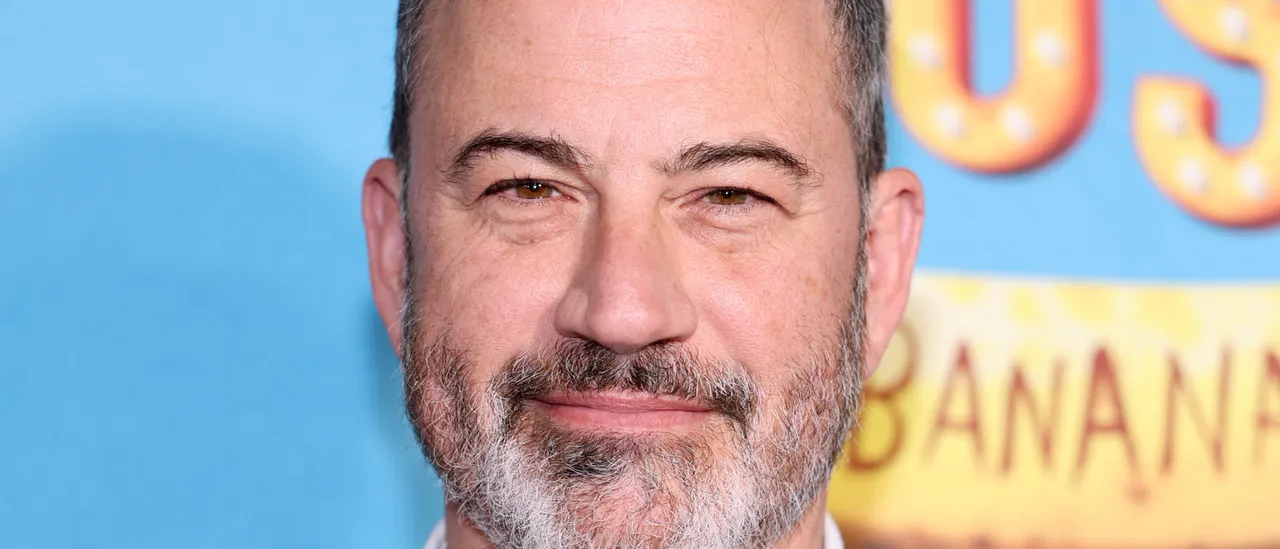
Jimmy Kimmel’s return to late night tells you everything you need to know about how the left treats political violence. They shrug and pivot to blaming conservatives for the fallout. That shrug creates a permissive atmosphere where bad actors feel free to escalate.
Imagine Johnny Carson mocking a president’s murder and facing no consequences from his network — that would have been unthinkable in a different era. Yet today, the liberal media trade in a kind of selective outrage that excuses violence from their side. That double standard matters because it shapes who feels emboldened.
There are three elements to the left’s intimidation machine that together choke off free speech. First, a respectable elite who rationalize or downplay left-wing violence while painting conservative voices as existential threats. Second, a street-level cohort that turns rhetoric into assault and harassment.
Third, the radicals who take the final step into murder or attempted murder when rhetorical permission has been given. When elites call opponents fascists and threats to democracy, they stop short of saying what may logically follow. That silence or suggestion serves as a kind of permission structure.
“We hit some new lows this weekend with the Democrat gang trying to characterize this kid who killed President Kennedy as anything other than one of them and doing everything they can to score political points from it,” is the kind of line that normalizes seeing opponents as enemies. That sort of language lowers the moral barrier to violence. It is reckless and corrosive.
Media coverage that treats left-wing riots as “mostly peaceful” while labeling conservatives as Nazis feeds this dynamic. Activists absorb that framing and learn that disruptive, even violent, tactics will be forgiven or minimized. The result is a safer climate for escalation against conservative speakers and institutions.
On social platforms and in activist circles the message often turns darker and more explicit. “Dear America: Whatever you wish the Germans had done in the 1930s, it’s time to do that now.” That tweet-level encouragement is not hypothetical; it’s mobilizing rhetoric.
That kind of content makes punching opponents seem like a civic duty, and once you normalize punching you create the conditions for worse. Labels like transphobe, racist, settler colonialist or Nazi are elastic; they can be applied to anyone the left wants silenced. That elasticity turns speech into a pretext for violence.
First: the elite frame. Pundits, professors and entertainers create a narrative in which conservatives are enemies of democracy. When claim and consequence are disconnected, some will supply the consequence. This is a predictable chain reaction.
Second: the street-level enforcers who convert rhetoric into action. Antifa and related groups have made a living intimidating speakers and shutting down events, often with the acquiescence of campus or municipal authorities. Those actions degrade First Amendment protections in practice, if not on paper.
Third: the lone actors who escalate to murder. These people aren’t always directly coordinated, but they are influenced by a culture that paints opponents as beyond the pale. Why argue when you can eliminate the opponent?
That question is gruesome, but it gets asked implicitly when a movement insists opponents are Hitler or Nazis. “Wouldn’t assassinating Hitler or other important Nazis be justified?” That hypothetical, repeated enough, moves some toward real-world violence. Society pays the price when rhetoric overruns restraint.
Campuses are a frontline in this battle because administrators often cave to the threat of violence by imposing costly security hurdles on conservative speakers. If groups cannot afford the insurance or security fees, they effectively get censored. Administrative timidity thus becomes another tool of the left’s intimidation strategy.
Law enforcement must stop obsessing over one-sided threat narratives and take violence wherever it comes seriously. Investigations should be impartial and resources should follow real-world patterns of escalation. If the FBI and local police want credibility, they must track and prosecute threats from all sides.
Public figures who gin up righteous anger but never face consequences for their words should be called out. Celebrities who normalize dehumanizing language contribute to a climate where murder becomes thinkable. They should be shunned by audiences and advertisers alike.
Free speech must include the freedom to offend and to be wrong, but it cannot survive if speech is routinely answered with violence. That means punishing those who act on violent rhetoric, and isolating the culture that encourages them. The aim should be to restore a baseline of civic restraint.

