

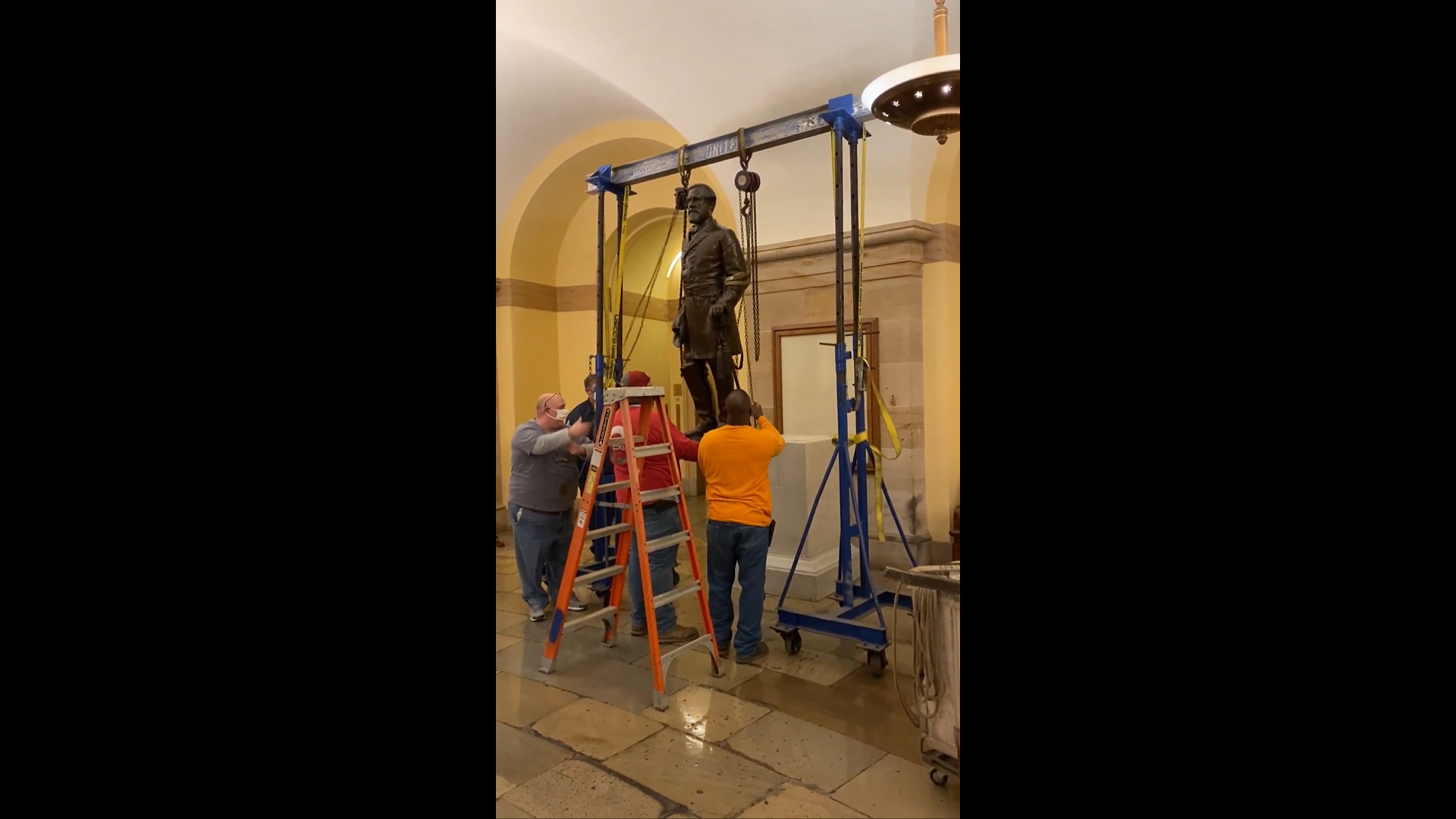
This article argues that attacks on Robert E. Lee and calls to remove his statues ignore history, shut down honest debate, and reflect a broader trend of politicizing the past.
People on the left who label Robert E. Lee a traitor and call for statues of him to be torn down often act as if history ends with slogans. They frame the issue as moral purity instead of engaging the complicated facts about Lee’s life, motives, and place in American memory. That approach shuts down the kind of civic discussion a free society needs.
Robert E. Lee is a historical figure with contradictions, and treating him only as a symbol of evil simplifies complicated reality. He served the United States as an officer before the Civil War and later became a reluctant leader of the Confederacy based on his understanding of duty and state sovereignty. Ignoring those dimensions turns history into a weapon and leaves citizens with a shallow, politicized story.
Statues are public history, not private endorsements, and removing them rewrites the landscape without community consensus. Monuments have always served as focal points for debate about what we honor and what we should reconsider. If decisions about public memory come from a single political faction, the resulting landscape will reflect one view and alienate others.
The push to physically erase statues also risks setting a precedent: if we remove one figure for perceived moral failings, which historical figures are safe? This is not a defense of every action by past leaders, but a warning about the slippery slope of erasing history rather than contextualizing it. A republic that tosses out inconvenient complexity weakens the citizenry’s ability to learn from a full record.
Calls to tear down statues often rely on presentism, judging past actors solely by contemporary standards. Presentism flattens context and prevents nuanced assessments of intentions, constraints, and the social order at the time. Honest history requires asking difficult questions, not substituting easy moral outrage for careful examination.
There is a better alternative than removal: place monuments in their historical context and use public spaces for education. Plaques, museum exhibits, and balanced displays can preserve memory while explaining the darker chapters of our past. This approach respects both the need to remember and the duty to teach citizens what the past can tell us about moral growth.
Many conservatives argue that honoring history is not the same as celebrating every aspect of it, and that remembering figures like Lee helps us understand how the nation overcame division. That perspective sees public commemoration as part of civic literacy: a way to confront mistakes and appreciate progress. Wiping out physical reminders risks creating amnesia instead of learning.
Political gestures that aim to remove statues often have less to do with historical truth than with signaling fashionable virtue. When policy becomes performative, it fails to resolve the underlying social issues that motivate protest. Real solutions require sober debate, local involvement, and policies that strengthen communities rather than symbolic victories.
Local communities should decide what stays in public squares, not activists or bureaucrats pushing a nationalized purge. Homegrown decisions allow for discussion, compromise, and educational initiatives that reflect each community’s history and values. That process reinforces federalist principles and community ownership of public memory.
We can acknowledge the pain and injustice tied to parts of our past without erasing every reminder of it. Confronting uncomfortable truths in public spaces encourages reflection and civic responsibility. Removing statues wholesale denies citizens the chance to engage with those truths face on.
Any approach to contested monuments should be guided by clear principles: respect for historical complexity, community involvement, and educational context. Those principles protect historical inquiry and prevent history from becoming a blunt instrument for political advantage. A healthy republic should prefer persuasion and civic engagement over iconoclasm.

