

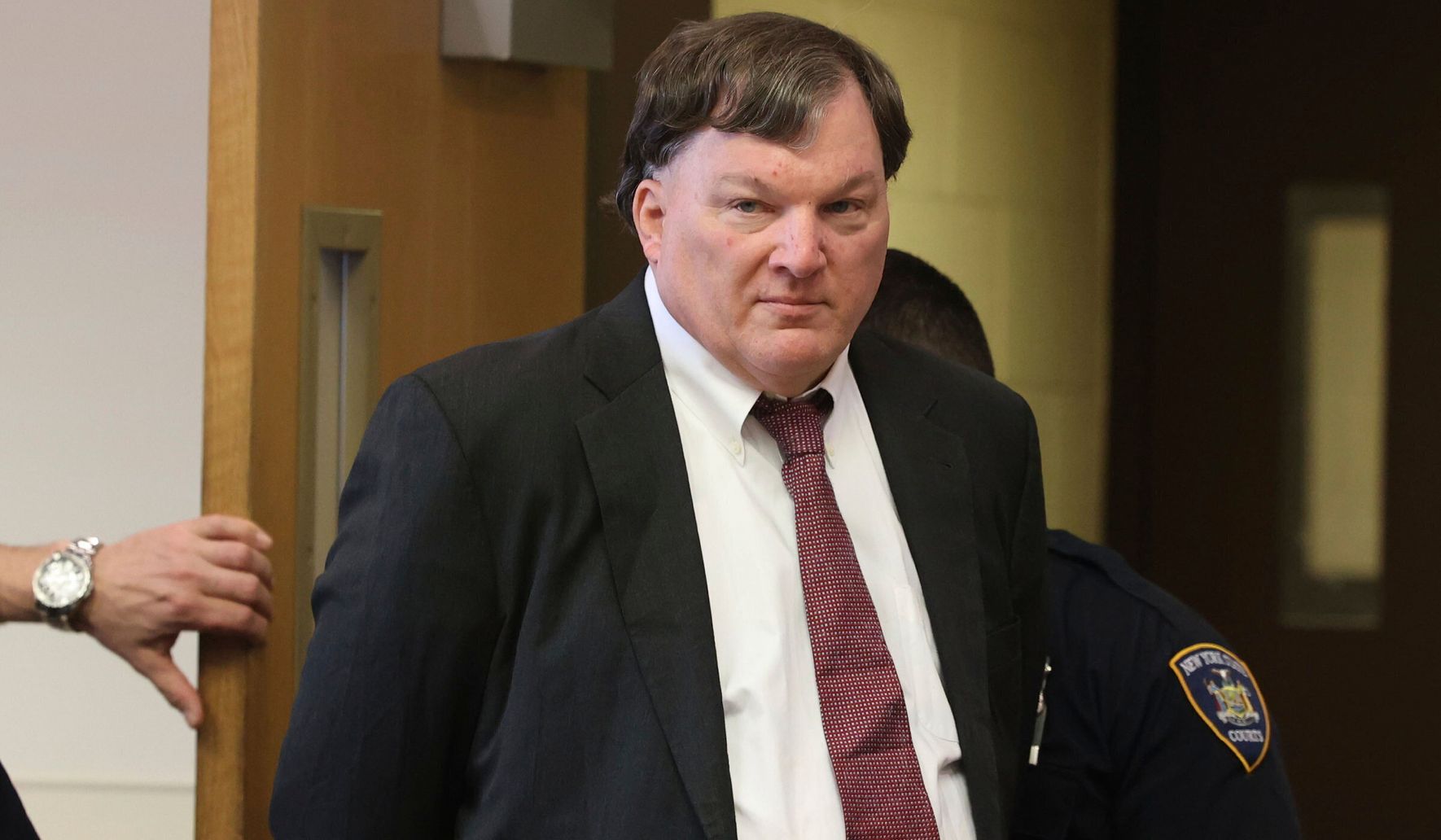
A Long Island architect accused in a string of long-unsolved slayings known as the Gilgo Beach killings is expected to plead guilty on Wednesday, closing a case that bedeviled investigators and agonized families while raising broader questions about how cold cases are handled and resolved.
The announcement that the defendant is expected to plead guilty on Wednesday marks a dramatic turn in a case that has haunted the region for years. For investigators, it represents the culmination of lengthy efforts to stitch together evidence from scenes, tips, and forensic work. For families, the plea offers a complicated mix of relief, grief, and lingering questions about truth and accountability.
This case has been both a criminal investigation and a public story, with attention focused on how the crimes were uncovered and why they remained unsolved for so long. Law enforcement agencies involved over the years faced scrutiny and pressure to produce answers. The expected plea will resolve the courtroom phase but will not erase the memories or the debates that followed the initial discoveries.
Any guilty plea will likely spare jurors a trial and years of additional court wrangling, while giving prosecutors a secure conviction. Pleas can also narrow the scope of public inquiry, limiting what is laid bare at trial and leaving some details undisclosed. That dynamic often leaves families and reporters wanting more than the legal outcome alone can provide.
The ripple effects of a resolution will reach beyond the courthouse into conversations about investigative technique and resource allocation. Cold case units, forensic labs, and interagency cooperation will all be part of post-case evaluations. Officials will face pressure to explain what changed, what evidence proved decisive, and whether similar leads are being pursued in other unsolved matters.
For those directly affected, the plea will not instantly translate to closure in an emotional sense. Grief does not conclude with a legal finding, and many families counsel caution about equating convictions with healing. Still, a verdict or plea does create an official record that acknowledges responsibility, and that form of recognition matters to survivors and loved ones.
Media coverage of the investigation has shaped public perception from the earliest discoveries to the current developments. Reporters and outlets chronicled each new lead and the controversies that accompanied them, sometimes fueling public demand for speedier answers. As the legal chapter closes, coverage will shift to what the plea means for accountability and for future policy choices on long-running investigations.
There are practical legal implications to a plea beyond the immediate conviction: sentencing, appeal rights, and potential cooperation agreements could all figure into the final outcome. Defense and prosecution strategies often influence whether a case ends with a plea or proceeds to trial. Whatever the specifics, the courtroom resolution will set the stage for how the story is remembered and how similar cases are handled going forward.
Communities near the original investigation sites will continue to reckon with the social and psychological impacts of the events and the long aftermath. Residents and local leaders often call for reforms to policing and victim support when high-profile cases surface systemic concerns. Those conversations tend to outlast the headlines and can lead to policy shifts at the municipal and state levels.
In the end, the expected guilty plea on Wednesday closes a legal chapter while opening new threads of inquiry about investigative practices, support for victims, and community resilience. The result will be cataloged in court records and news accounts, but the broader questions it raises about prevention, response, and justice will persist.

