

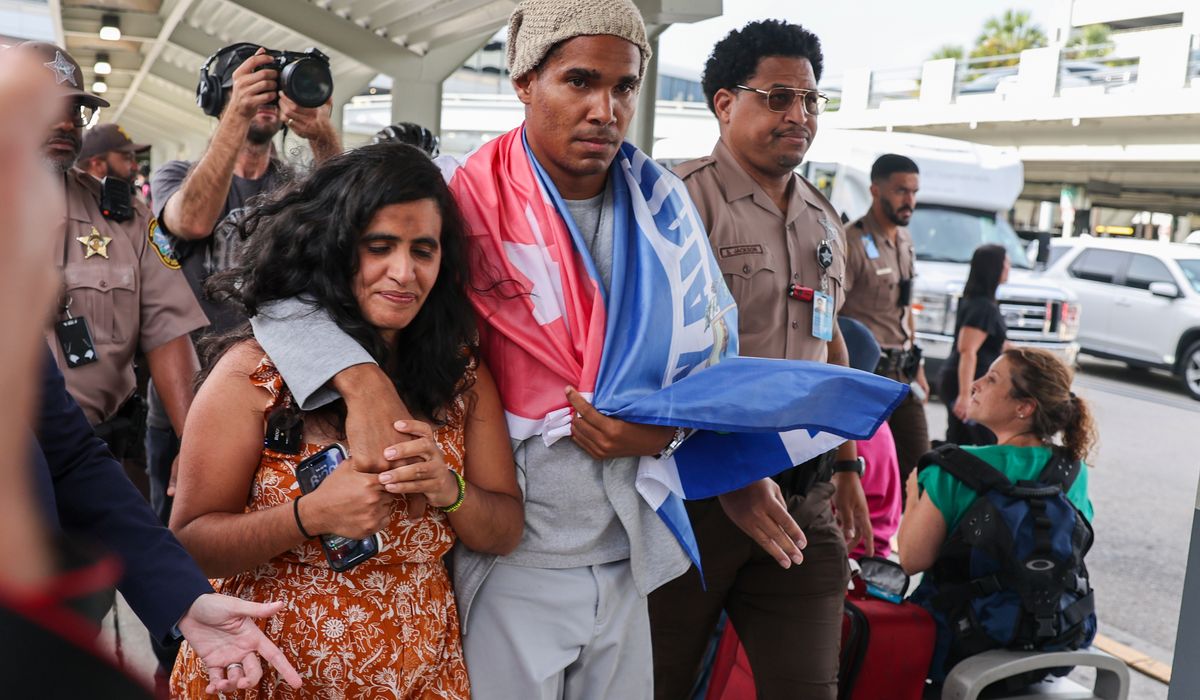
Luis Manuel Otero Alcantara, a well-known Cuban dissident artist and musician, arrived in Miami on Saturday after being released from a five-year prison sentence on the condition that he leave his country.
Luis Manuel Otero Alcantara’s arrival in Miami is a clear moment for the Cuban exile community and for anyone who pays attention to human rights in Havana. He left behind a system that has repeatedly targeted artists and activists who push for basic freedoms, and his relocation highlights both the personal cost of dissent and the broader stakes for Cubans seeking change. The facts are simple: a prominent dissident was imprisoned, then freed with the stipulation that he depart Cuba.
Many Republicans see this as another example of communist repression that drives talented people into exile rather than letting them build a life at home. That view is rooted in a belief that authoritarian regimes punish peaceful cultural and political expression to maintain control, and that the United States should be a refuge for those who face that pressure. For people who fled Castro-era rule, the arrival of a visible figure like Otero Alcantara is more than symbolic; it is validation that the struggle for liberty continues and that America remains a destination for those who risk everything to speak out.
Otero Alcantara’s identity as both artist and musician mattered during his detentions because the regime often treats cultural leaders as especially dangerous. Artists can reach broad audiences, spark conversations, and inspire collective action, which makes them a target when a government wants to silence dissent. By forcing him out of the country after a five-year sentence, the authorities showed they preferred exile to the uncomfortable optics of a living, critical cultural presence inside Cuba.
For Miami’s Cuban community this arrival will stir memories of past waves of exile and the reasons many families left. Those who came here carrying little more than hope are familiar with the mix of relief and sorrow that follows news of another forced departure. They know exile protects the dissident from immediate harm but also separates him from the people and neighborhoods where his work mattered most.
From a policy perspective, conservative voices argue the United States should keep pressure on regimes that export repression by supporting dissidents and maintaining clear sanctions where appropriate. That approach emphasizes moral clarity: stand with people who risk imprisonment for speaking their mind, and do not reward governments that weaponize legal systems to crush dissent. Practical support comes in many forms, but the message is straightforward—freedom-loving nations should welcome those who escape tyranny and spotlight abuses abroad.
Otero Alcantara’s case will likely be used by activists and politicians on both sides of the aisle to underscore larger patterns of repression, but Republicans will frame it as part of a broader lesson about the consequences of unchecked communist rule. They will point to the personal dimension—an artist stripped of his freedom and then forced into exile—and link that to arguments for consistent U.S. pressure and strong support for human-rights defenders. In conservative circles, the story reinforces long-held convictions about the moral responsibility to champion those who speak out for liberty.
Media coverage and community reaction in Miami are expected to be immediate and vocal, with cultural organizations, advocacy groups, and local leaders responding to his arrival. These responses will underscore the human side of political struggle: friends and strangers offering shelter, venues exploring opportunities to amplify his voice, and activists documenting his story for international audiences. For a dissident who used art as a form of resistance, that kind of reception can provide both practical support and renewed platforms to continue the work he began.
Looking ahead, Otero Alcantara’s time in Miami will likely involve rebuilding and recalibrating how he engages with Cuban politics and culture from abroad. Exile allows safety but also forces new strategies for influence, from showcasing work in galleries and concerts to collaborating with diaspora networks and human-rights organizations. Whatever path he chooses, his release from a five-year prison sentence on the condition that he leave his country will remain a stark reminder of the lengths some regimes go to silence their brightest cultural voices.

