

Quick summary: I will explain the Mercosur-EU trade push, report Lula’s timing, note local protests, highlight economic and political concerns from a Republican perspective, and outline the likely hurdles before any January signing.
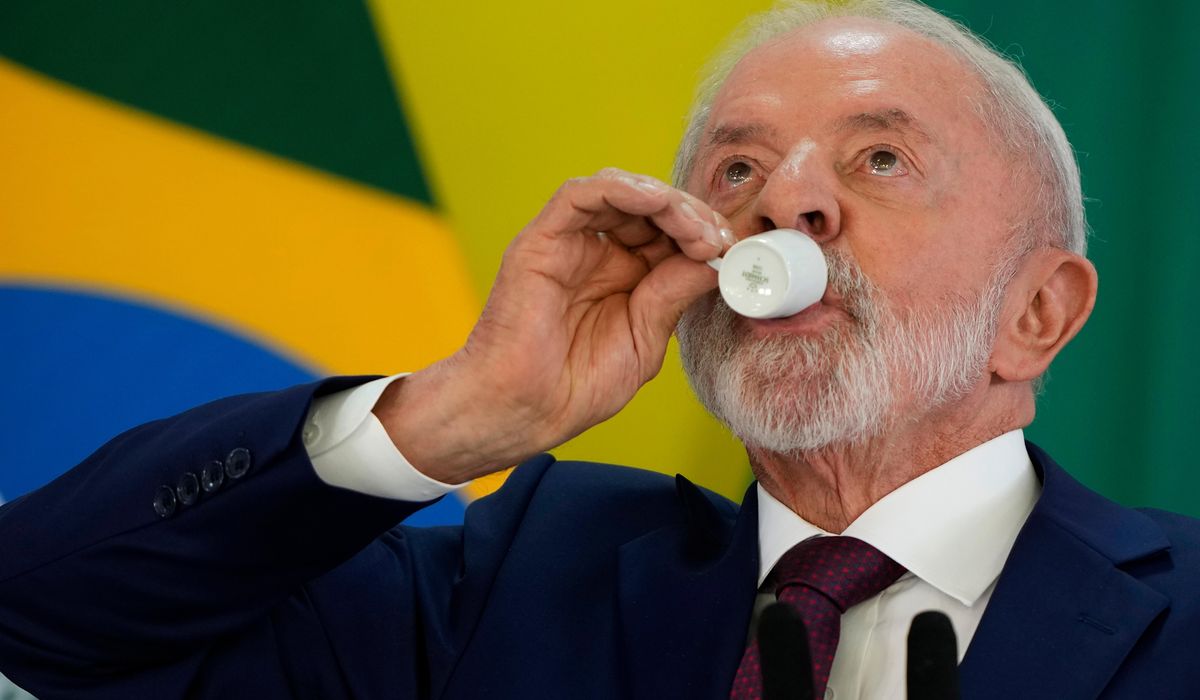
Brazil is once again in the spotlight as leaders push to finalize a major trade pact. “Brazil’s President Luiz Inacio Lula da Silva said on Saturday he hopes the massive free-trade deal between South American bloc Mercosur and the European Union will be signed in January.” That timetable sounds bold given the political and procedural challenges ahead.
The proposed pact would touch billions in goods and services between two big trading blocs. For businesses it promises new access and lower tariffs, but for workers and industries it raises immediate questions about competition and fairness. Those are the exact worries driving protests in parts of the region.
Protests reflect real domestic unease about standards and job losses, not just political theater. Farmers and manufacturers worry that cheaper imports could undercut them before safety nets are in place. Urban activists focus on environmental rules and enforcement, saying agreements without strong guardrails often leave promises unmet.
From a Republican point of view the deal should be judged by how it protects American and allied interests, even though the U.S is not a party. Trade must be fair, transparent, and enforceable, not just generous on paper. That means clear rules on subsidies, labor standards, and environmental commitments that are verifiable and backed by penalties when violated.
There is also the sovereignty angle. Lawmakers should ask who wins when standards are set by distant capitals. If European regulations or Mercosur political dynamics push costs onto producers in other countries, that matters here. Republicans tend to favor reciprocal bargains that defend domestic producers while opening markets in a level way.
Politically, Lula is doing what leaders do: sell a hopeful deadline to build momentum. January is a soundbite-friendly target, but actual ratification requires multiple Parliaments and often lengthy domestic debates. Expect member states to demand concessions and clarifications, and that can easily stretch any timetable.
Economically the math is messy. Some exporters will gain, others will struggle. Transition policies matter — retraining, phased tariff reductions, and enforcement mechanisms will determine whether the deal lifts broad prosperity or simply shifts gains to specific sectors. If those supports are weak, protests and protectionist backlashes are likely to grow.
There is also a geopolitical layer. Europe wants access to raw materials and markets, Mercosur wants industrial and agricultural outlets, and both sides hope to diversify away from reliance on any single partner. That push can be sensible, but it should not ignore the micro effects on communities, nor the need for strong enforcement tools.
If the signing slips past January, it will likely be because one party asked for tougher safeguards or another demanded a better deal. Rapid headlines do not equal rapid ratification. Policymakers who care about competitive markets should watch the details, insist on enforceable language, and make sure domestic interests are protected as talks move forward.

