

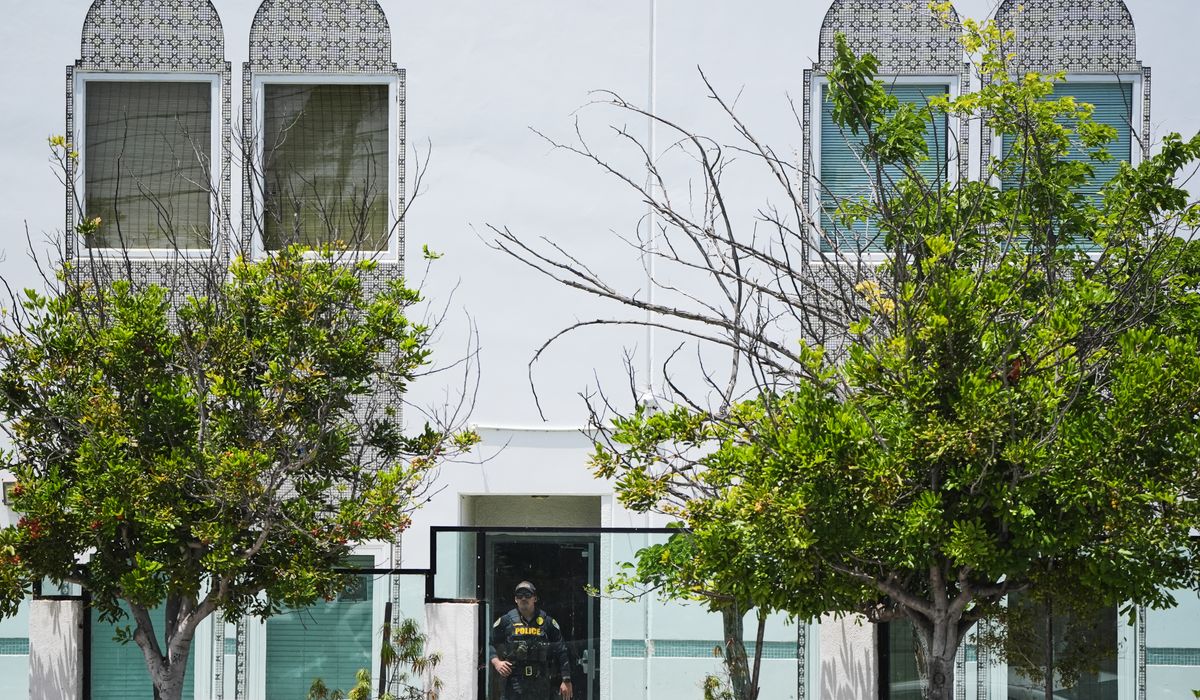
Attendance at regular worship services remains overwhelmingly safe worldwide, with billions of visits each year and very few instances of deadly attacks on individual houses of worship.
Statistically, going to a weekly worship service is a remarkably safe thing to do. Global annual attendance totals many billions, and occasions of mass violence at places of worship are rare compared with the overall volume of visits. That context matters when communities think about risk and how to protect gatherings without changing what makes them meaningful.
Places of worship are centers of routine life: prayers, sermons, rites, and shared celebrations that repeat week after week. The steady flow of people builds social bonds and informal oversight, which can deter trouble before it starts. Regular patterns and active participation create a kind of community resilience that formal measures alone cannot replicate.
Still, the occasional attack on a house of worship can have outsize impact because these spaces carry symbolic and emotional weight. When an incident occurs, it reverberates through families and neighborhoods and can shape public perceptions of safety. That is why leaders and members often weigh modest safety improvements alongside preserving openness.
Security measures vary widely and should match the size, location, and needs of each congregation. Some communities add clear sightlines, trained volunteers, or simple access controls while others invest in professional assessments or coordination with local responders. Practical steps can be taken without making a worship space feel like a fortress or undermining the welcome people expect.
Emergency planning is not about living in fear but about being ready for low-probability events. Clear communication, practiced evacuation routes, and basic first-aid training help congregations respond calmly if something goes wrong. Those preparations often benefit everyday situations too, like managing large crowds for holidays or handling medical emergencies.
Officials and congregational leaders also face the challenge of sharing accurate information after incidents so rumors do not escalate anxiety. Facts, timelines, and source-verified updates reduce speculation and help families make informed choices. Trustworthy communication supports recovery and helps communities focus on healing rather than panic.
Protecting places of worship is a balance of preserving accessibility and ensuring safety, and that balance looks different from one congregation to the next. Local context, community involvement, and proportionate measures tend to work best, keeping services both inviting and secure. Sound planning lets people keep attending the rituals and gatherings that sustain their lives without turning routine worship into a risk calculus.

