

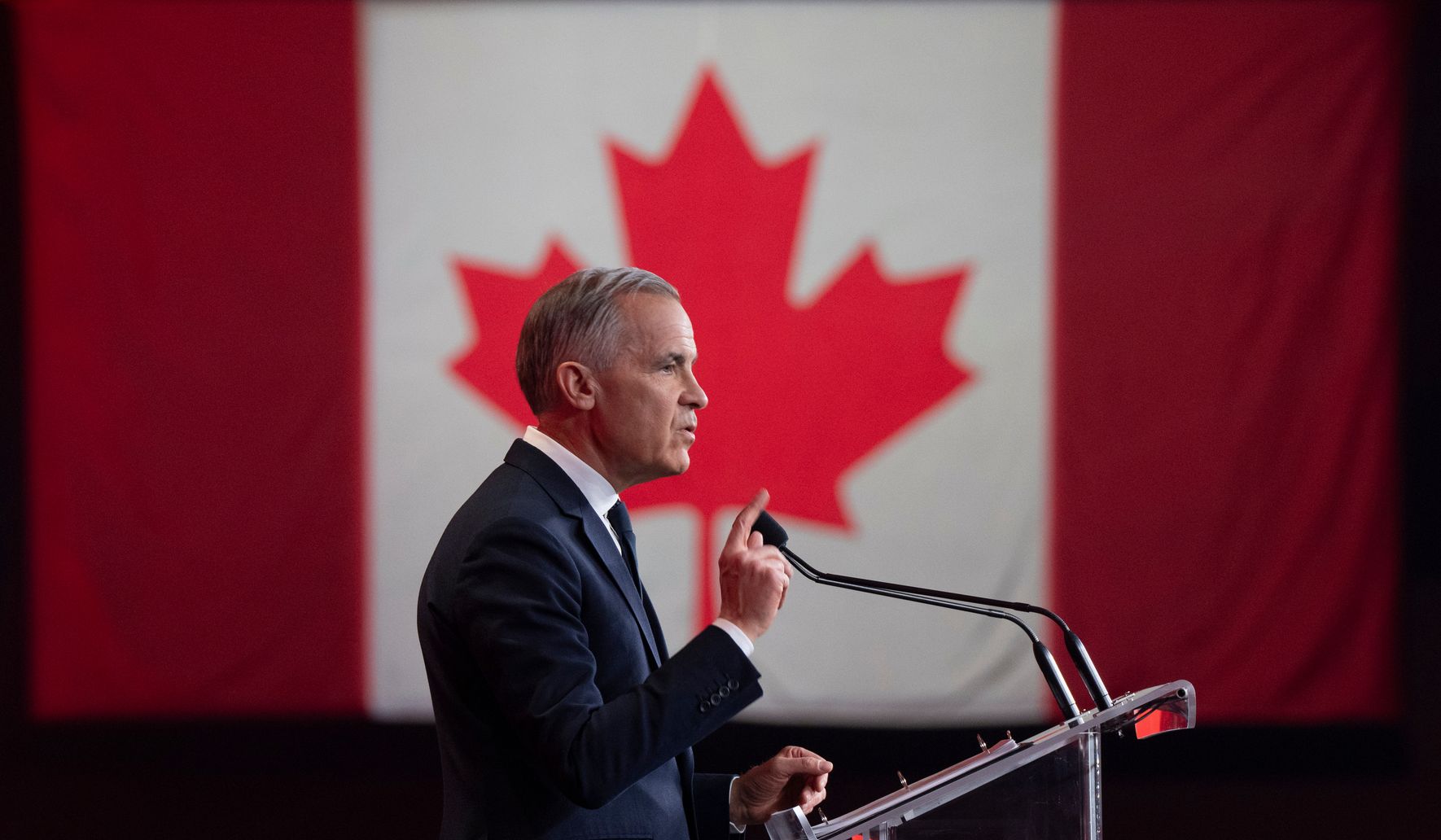
Canadian Prime Minister Mark Carney secured a majority government with a special election outcome Monday night, allowing his Liberals to pass legislation without the support of opposition parties.
The election result shifts power in Ottawa toward a single party that can now drive policy with minimal resistance. That concentration of authority changes how laws, budgets, and national priorities will be decided. Voters and officials on both sides will feel the consequences in short order.
Majority control removes a routine need for compromise and can speed up decision making. It also reduces the formal leverage opposition parties use to shape bills and demand accountability. For those who value limited government and fiscal restraint, that creates real concern.
When one party can pass legislation without negotiation, oversight mechanisms become more important than ever. Committees, audits, and parliamentary questions are supposed to keep ministers in check, but they can be sidelined in practice. A vigilant press and engaged citizens fill part of that gap, but they are not replacements for institutional constraints.
Fiscal policy is likely to be a flashpoint under this new parliament. A majority government can push through spending plans and tax changes without needing cross-party support. Conservatives and fiscal hawks will watch budget lines closely for growth in programs and permanent bureaucratic expansions.
Regulatory and economic policy will also move faster with fewer roadblocks. That can be good for decisive action, but it also raises the risk of rushed rules that harm businesses or consumers. Entrepreneurs and investors prefer predictability, and abrupt shifts in policy can undermine confidence.
On social and justice issues, a full slate of government-backed bills can alter the legal landscape quickly. Opposing voices will still exist in the House and on the airwaves, but they will lack the legislative hammer to force changes. This dynamic often forces opposition parties to prioritize battles where they can exert influence outside the chamber.
Foreign policy and trade decisions could reflect the governing party’s priorities more cleanly now, for better or worse. A majority lets a government present a unified front internationally, but it can also close off internal debate about long-term strategy. Parliament’s role in ratifying agreements and scrutinizing diplomats matters more when executive authority is stronger.
Institutional checks within Canada’s parliamentary system are not broken, but they are tested under single-party rule. Courts, independent watchdogs, and provinces remain limits on federal power. Expect more litigation and provincial pushback when federal initiatives touch on jurisdictional lines or individual rights.
Democratic accountability depends on transparency and clear reporting from ministers who now carry heavier responsibilities. With less need to bargain, the government must still document why choices were made and how taxpayer money is spent. Voters will remember which party they trusted with that mandate when the next election arrives.
For opposition parties, the strategy shifts away from blocking routine legislation to shaping public debate and exposing policy flaws. They will need to marshal evidence, highlight real-world consequences, and keep pressure on government ministers through inquiries and public campaigns. That’s how minority voices stay relevant under a majority majority.
Media coverage will be central in keeping the public informed as new laws move through the system. Reporters and independent analysts have to dig into policy details and explain trade-offs plainly. In a political climate where one party can act swiftly, skeptical reporting becomes a core part of democratic balance.
Ultimately, the practical effects of a majority depend on how the government chooses to use power. It can lean into responsible stewardship, fiscal discipline, and clear policy justifications, or it can prioritize quick wins with long-term costs. Citizens and institutions will be the arbiters of which path prevails.

