

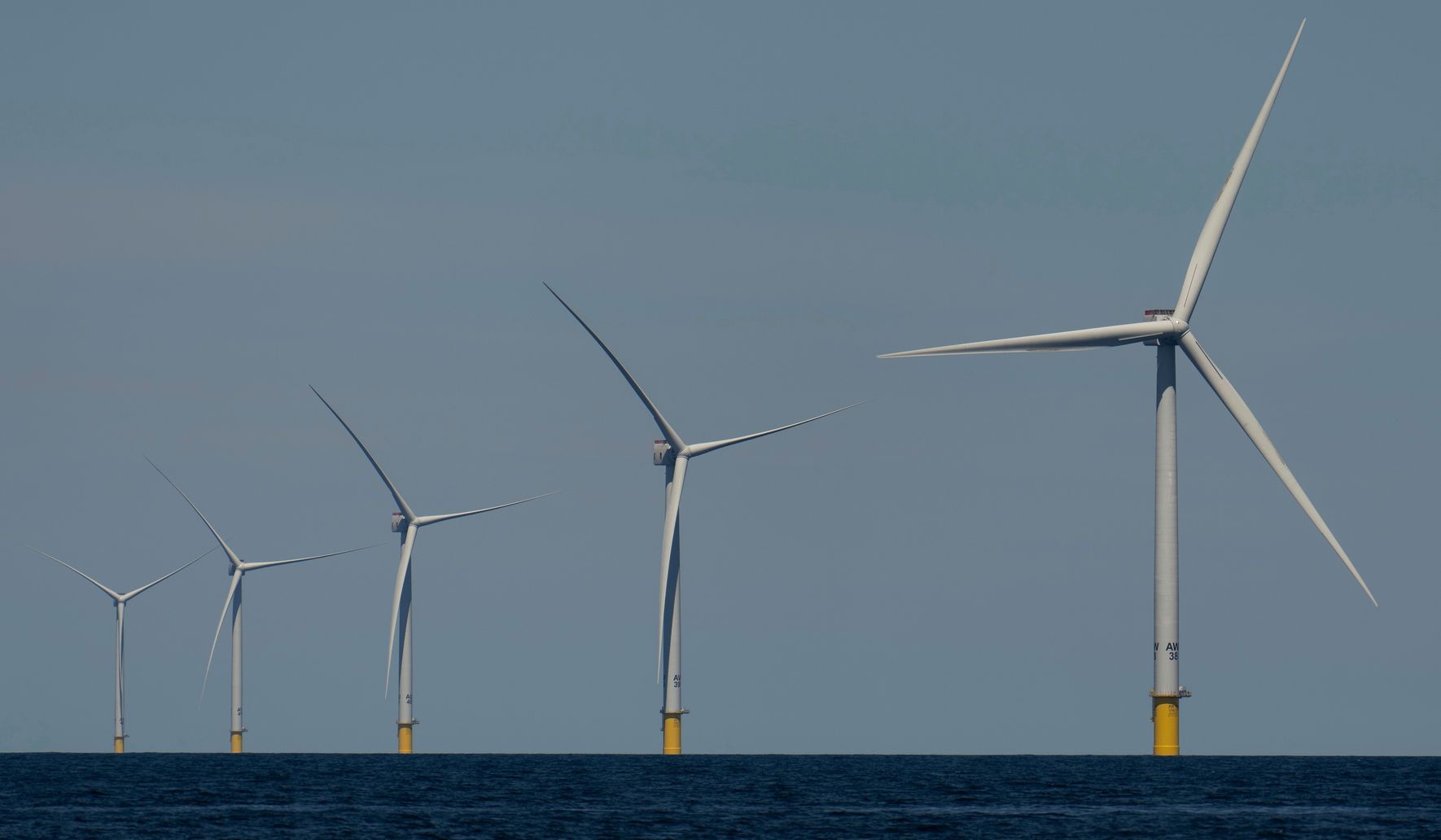
The developer of a major Massachusetts offshore wind farm has filed suit against its turbine manufacturer, asking a court to require the supplier to remain committed to the project rather than withdraw.
A developer pursuing an offshore wind project in Massachusetts has taken legal action against the company contracted to supply turbines, seeking an order that would keep the manufacturer tied to the work. The suit centers on the producer’s apparent effort to step away from the deal, and the developer is asking the courts to enforce ongoing participation. That move puts the dispute squarely into the courts rather than private negotiations.
Contracts for large offshore wind farms are built on tight timelines and complex commitments, and manufacturers play a central role in whether a project can move forward. When a supplier tries to back out, a developer faces not only schedule disruption but also the risk of lost financing, higher costs, and regulatory headaches. The legal question often becomes whether the contract terms allow a court to force continued performance or whether money damages are the only remedy.
Specific performance is the remedy developers typically want in these cases because replacing a specialized turbine provider on short notice can be nearly impossible. Turbine delivery windows, installation vessel bookings, and grid interconnection milestones are all interdependent, so delays cascade. Courts review the contract language and practical realities to decide if ordering a supplier to perform is feasible and fair.
Manufacturers, for their part, may cite supply chain disruptions, regulatory changes, or commercial impracticability as reasons to withdraw or renegotiate. Those defenses can complicate litigation because they raise factual questions about whether the original terms remain enforceable. Judges weigh those defenses against the hardship that forcing compliance would impose on the supplier and the potential harm to the project if the supplier leaves.
For developers, the stakes go beyond a single contract: major offshore projects carry long-term commitments to buyers, lenders, and permitting authorities. A stalled project can jeopardize power purchase agreements, loan covenants, and the confidence of equity partners. That is why litigation is sometimes seen as necessary to protect the broader economic and contractual ecosystem built around a project.
Lenders and investors watch these disputes closely because the outcome can determine whether a project remains bankable. If a court denies an order to keep a supplier on board, developers may have to scramble to find replacements, which can trigger cost overruns and timing penalties. Conversely, if a court forces performance, lenders must assess whether the supplier can actually meet its obligations without compromising safety or quality.
Regulators and state officials also have a stake, since offshore wind projects often tie into local energy goals and economic development plans. Delays or cancellations can slow clean energy deployment and affect promised job creation and supply chain investments. That dynamic can prompt public statements or behind-the-scenes pressure, but it rarely substitutes for the legal remedies the parties pursue in court.
Settlement remains a common outcome in commercial disputes because litigation is expensive and unpredictable. Parties may reach a new deal that preserves the project while addressing the manufacturer’s concerns, or the developer might accept a substitute supplier under revised terms. Each path has trade-offs: settlements can reduce uncertainty but often require concessions that change the project’s economics.
When courts do weigh in, their rulings can shape industry practice by clarifying how strictly contracts are enforced in the face of supply shocks and cost increases. A decision ordering a manufacturer to continue work could encourage developers to seek firmer guarantees, while a ruling favoring the supplier might prompt developers to build more contingencies into contracts. Either way, litigation outcomes influence how future offshore projects are structured.
In the meantime, the disputed project will confront practical pressures from scheduling, vendor coordination, and stakeholder expectations while the legal process unfolds. Whether the case results in enforced performance, a settlement, or a supplier replacement, the industry will be watching for how courts balance contractual obligations against real-world constraints. That balance will help determine how resilient large offshore wind deals are when faced with unforeseen commercial stress.

