

New York City’s new mayor confronts a large budget gap that will force choices affecting services, safety, and taxpayers, and conservative voices are pushing for fiscal discipline and clearer priorities.
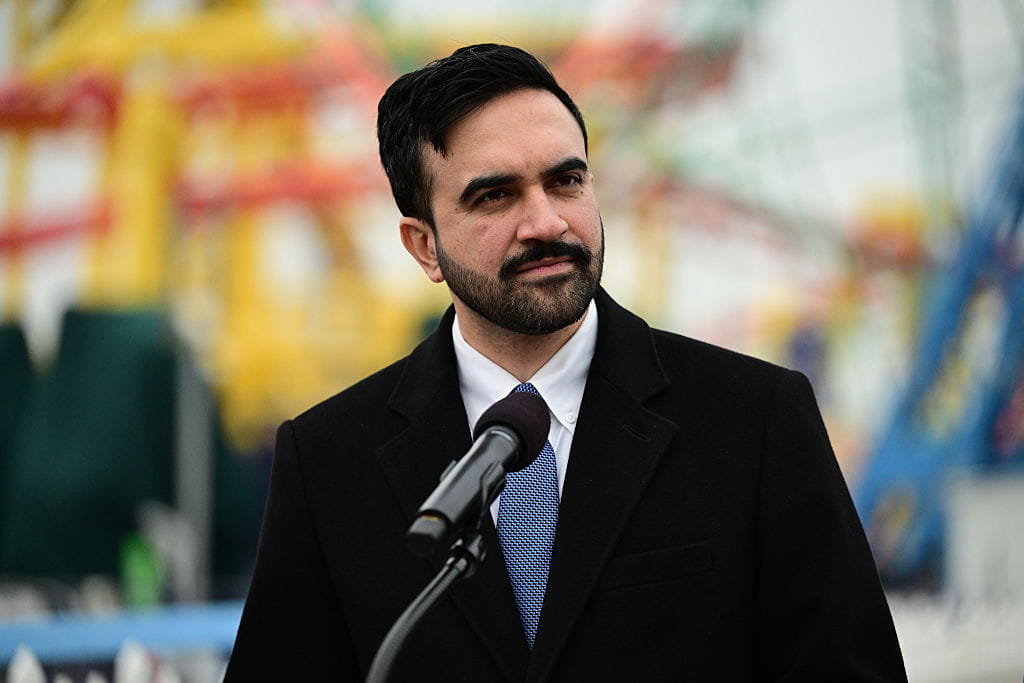
New York City’s freshly sworn-in mayor, Zohran Mamdani, has inherited a significant fiscal puzzle, and it already sounds like a test of priorities. Officials are flagging a sizable budget shortfall that will require decisions about spending, revenue, and what gets cut. For residents who pay attention, this is a moment that reveals what the new administration values.
From a conservative perspective, the immediate reaction is simple: balance the books without loading up residents with higher taxes or reckless long-term obligations. That means scrutinizing every line item in the budget, not assuming more revenue will magically appear. It also means taking a hard look at programs whose costs have ballooned but whose outcomes are unclear.
Public safety should be front and center in any budget conversation, because citizens need to feel secure before anything else can function properly. Rising costs for policing, overtime, and related services are legitimate budget items, but they must be tied to measurable performance and accountability. If the city wants safer streets, then resources should be targeted and waste should be eliminated.
Another big cost driver for cities is employee compensation and pensions, and those must be managed with transparency and realism. Long-term pension liabilities can choke municipal finances if they are allowed to compound without reform. Responsible negotiators should pursue sustainable contracts that protect retirees while keeping the city solvent.
Budget shortfalls often tempt politicians to raise taxes or introduce new fees, but that path risks driving people and businesses away. High taxes stifle job growth and reduce the tax base the city depends on. Conservatives argue that the better route is to control spending and make government work smarter before asking residents to pay more.
Efficiency gains are not a slogan; they are a practical necessity when money is tight. That means rooting out duplication, applying performance audits, and considering competitive contracting where appropriate. Private-sector practices like benchmarking and outcome-based funding can help public programs deliver more for less.
Transparency is another non-negotiable. Taxpayers deserve clear, timely information about where every dollar is going and what it is buying. That transparency also builds political capital for difficult decisions, because people are more likely to accept trade-offs when they understand the process and see the data.
Economic growth is the long-term solution to budget problems, so policies should encourage jobs, investment, and migration to the city. Burdensome regulations and tax hikes push companies and residents into friendlier states and cities. A pro-growth approach that removes barriers to business and housing can broaden the tax base without punishing current taxpayers.
Municipal leaders should also focus on cutting waste while protecting core services for the vulnerable. Safety nets matter, but every program must be evaluated for effectiveness before more funding is added. Redirecting funds from ineffective initiatives to proven services is both compassionate and fiscally responsible.
Short-term fixes like one-time accounting maneuvers or deferred maintenance just kick problems down the road, and conservatives warn against those shortcuts. Structural fixes are harder, because they require political courage and detailed reforms. But failing to address the root causes of the shortfall will only make the next mayor’s job tougher and costs higher for residents.
In any budget fight, compromise is inevitable, but compromise must not become surrender to perpetual overspending. Conservative policymakers will press for a balanced mix of spending restraint, efficiency measures, and pro-growth policies. That combination can protect essential services and public safety without burdening taxpayers with unsustainable obligations.
The new mayor can use this crisis as a chance to set a clear fiscal path, but the choices will reveal whether rhetoric matches priorities. Republicans and fiscal conservatives will be watching for concrete measures: spending reviews, contract reforms, and accountability for new programs. The city’s finances demand realism, and residents deserve leaders who put financial stability ahead of political theater.

