

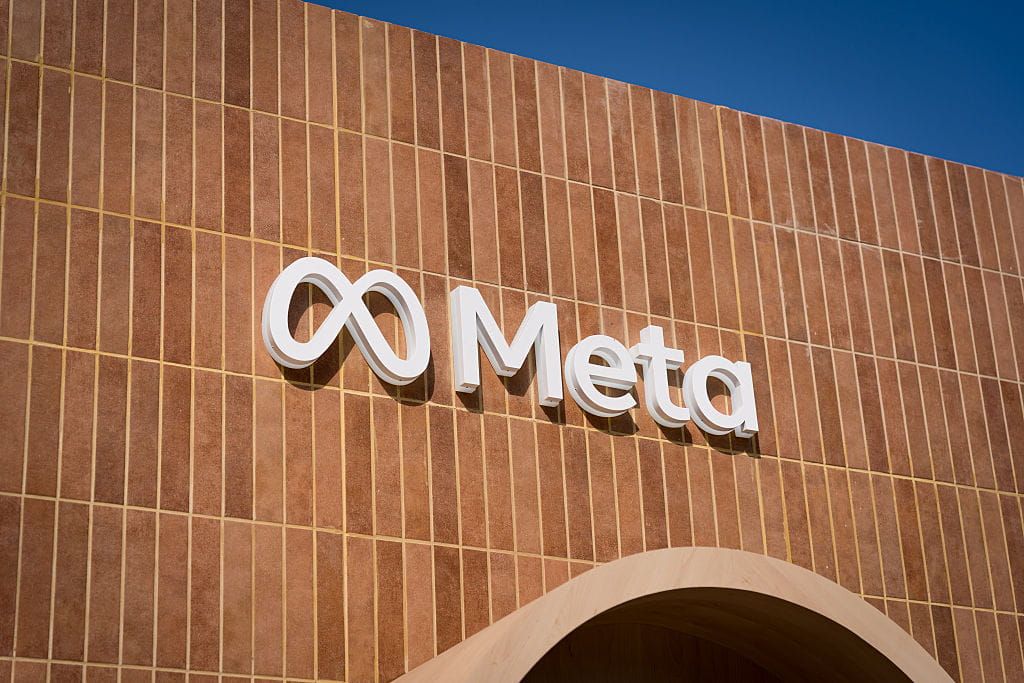
Meta’s recent legal settlement has shaken the social media world and pushed a debate about power, speech, and accountability back to the front pages. Aug 28, 2026 marks a moment when cash paid to resolve litigation meets political fallout, and the consequences are already spreading beyond the courtroom.
The settlement is framed as a payout that ends a costly legal fight, but many conservatives say the real damage runs deeper than dollars exchanged. “The money is only the beginning.” That line captures a common Republican worry: a financial deal can paper over systemic problems without forcing meaningful change in how platforms treat political speech and how they operate as gatekeepers.
From a Republican perspective, the settlement risks letting Meta sidestep responsibility for biased moderation and opaque policies that tilt public discourse. Critics point to patterns where conservative voices claim they were throttled or deplatformed while left-leaning accounts faced fewer consequences, and they argue a checkbook solution does nothing to restore fair treatment. The concern is that secret settlements remove disputes from public view and prevent a clear record from emerging about how decisions were made.
Legal fallout matters beyond the immediate parties. When Big Tech pays to settle, it sets incentives for future litigation and can reward behavior rather than deter it, Republicans warn. If companies learn that large fines are merely a cost of doing business, there’s less pressure to change tactics on content moderation, algorithmic transparency, or internal coordination with government actors. That dynamic raises the prospect of a revolving door where legal accountability is replaced by periodic settlements that avoid scrutiny.
Policy implications are front and center for lawmakers watching this play out. Republican lawmakers who have long pushed Section 230 reforms and tougher antitrust enforcement see this as confirmation that voluntary fixes and corporate promises are insufficient. They argue Congress needs to press for clearer standards on how platforms make content decisions, require auditability of algorithms, and prevent collusion with state actors that could chill political speech.
There are also market and reputational angles that matter to investors and advertisers, and Republicans note those pressures often move faster than regulation. Advertisers may back away when controversy mounts, and shareholder suits can demand governance changes. Still, the party view remains skeptical that private-market responses alone will restore balance; without legal and legislative guardrails, private incentives can leave partisan users feeling shut out and distrustful.
International consequences creep in as well, because the way platforms handle speech here becomes a model abroad. When US-based networks adopt moderation models that lean toward centralized control, other governments can copy those frameworks to justify their own speech restrictions. Republicans see this as a national-security and liberty problem: a settlement in one country can ripple into policy choices worldwide that constrain free expression and empower hostile regimes to demand similar tools.
With the dust still settling, calls for hearings and oversight are getting louder from the right. Republicans say courts and Congress should parse the settlement terms, force transparency where possible, and press for structural reforms that no checkbook can replace. The immediate headlines focus on the payout, but the long game is about whether Americans reclaim clarity and fairness in the rules that govern online speech.

