

Michelle Obama described a simple Mother’s Day car ride with Malia and Sasha that felt like a breakthrough, and the story has stirred debate about privacy, security, and public expense.
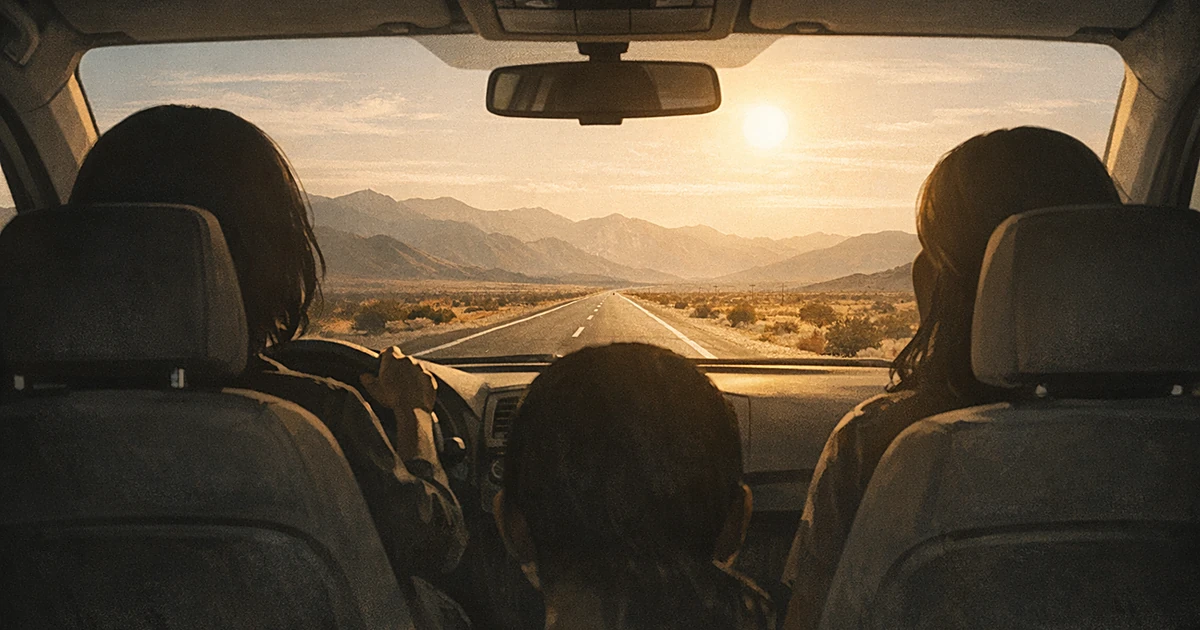
Michelle Obama shared a detail from a recent podcast: she took her first solo car ride with daughters Malia and Sasha years after leaving the White House. The trip was a short drive from Los Angeles to Palm Springs with no Secret Service, no motorcade, just the three of them stopping for fast food like any family. For many Americans that kind of ride is routine, but for the Obamas it landed as something emotional and rare.
Obama, now 62, said the moment overwhelmed her because her girls grew up inside constant protection. She recalled that Malia was 10 and Sasha was 7 when their father entered the White House, and the family lived with armed agents and armored vehicles as normal life. That upbringing meant intimate, ordinary moments were off-limits for a long time.
“That was their Mother’s Day gift for me, and I could cry, right? Because they don’t live in a bubble, as you’ve seen. And one of the reasons is, like, they did.”
She also noted, bluntly, that her daughters learned to drive through their agents rather than from their parents. That detail captures how unusual the protective setup really was: federal officers acting as driving instructors for grade-school children. It shows how the security bubble rewired basic family routines.
The podcast episode included a conversation with rapper Megan Thee Stallion about navigating fame and reclaiming ordinary pleasures after public backlash. Obama asked a wider question about how people learn to cope with fame and its limits. Bringing those two stories together framed celebrity and protection as overlapping, but very different, kinds of constraint.
Leaving the White House did not suddenly dissolve those constraints, she said, and the family continued to live under tight security for years. In other appearances she called the effort to give a normal childhood inside the White House a “nightmare,” describing how prom, school sports, college searches and parties all happened under federal watch. That candor about adolescence under protection drew attention for how ordinary adolescent behavior persisted amid extraordinary oversight.
“They had to drive and they had to go to prom and they were on teams and they traveled to other schools and they had to do college searches, and they went to parties and they had drinks, and they tried out smoking and they did all the things.”
Even as that human side resonates, costs tied to high-level travel and protection have shown up in public records and reporting. A widely cited figure notes one overnight stay in Morocco in June 2016 carried a ground cost of $612,322 for hotels and car rentals, with air travel adding substantially more. Critics have pointed to multi-vacation patterns and a high-profile Hawaii Christmas trip that was reported to exceed $1.5 million, arguing those sums highlight a gulf between elite trips and the struggles of ordinary taxpayers.
The core tension is clear: the same security framework that kept the family insulated also enabled luxury travel and a public presence financed by taxpayers. Former presidents and their families do receive lifetime Secret Service protection by law, but the broader operational footprint around post-presidency life often extends into production deals, podcasts, and foundations. Those activities are choices that broaden a family’s public profile long after leaving office.
Many Americans can sympathize with wanting private, simple moments with family, but the optics matter when the public funds large security and travel bills. Critics argue that pitching a two-hour ride as a revelation sits oddly beside high-cost official travel and an expansive media enterprise built around the family. The debate over privacy, protection, and public expense is less about personal feeling than about how those feelings play out under the glare of taxpayers funding security and logistics.
Supporters praised the emotional honesty in some corners, while skeptics noted that the Obamas have expanded their national footprint through media and public initiatives since leaving the White House. That split reaction reflects a larger question: how do former first families balance genuine desire for normalcy with a lifetime of protection and ongoing public projects? For many voters the answer shapes how they view stories that mix private moments and public privilege.

