

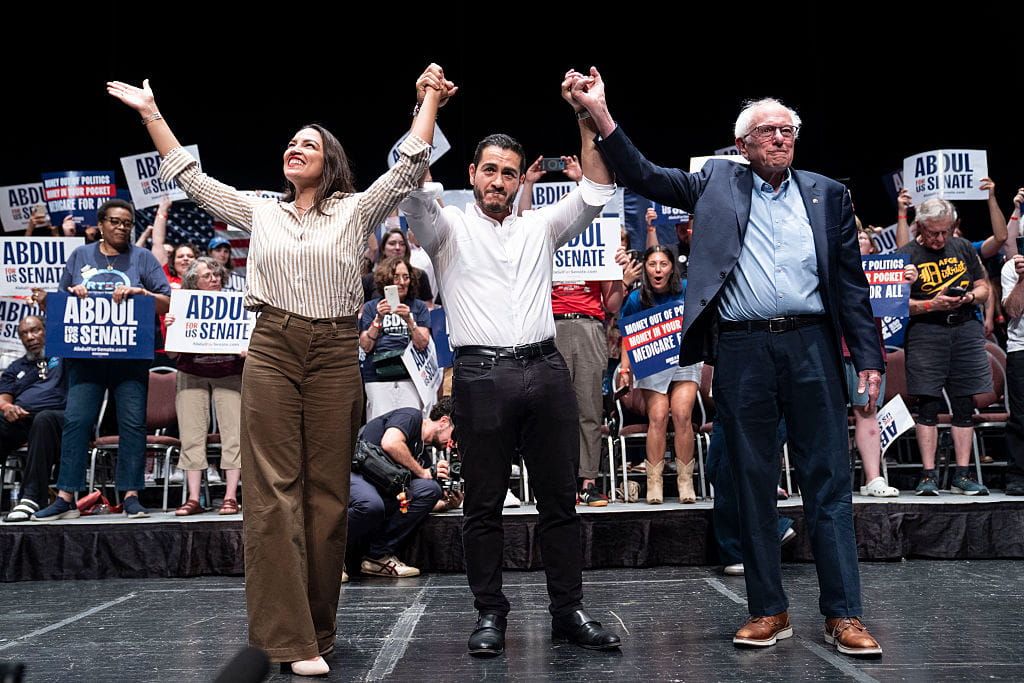
Michigan looks like a simple question for voters: do they stick with soft-on-crime, open-border policies, or do they back candidates who talk about safety, the economy, and basic American values?
Michigan has become a dramatic test of political momentum where local shifts echo national consequences. Conservative strategists see an opportunity to turn dissatisfaction into real gains, while Democrats scramble to defend ground they once took for granted. The mood on the ground is clear and urgent in persuasive neighborhoods and among voters who feel ignored by the political class.
Senate hopes hang in the balance. That sentence captures the immediate pressure at play: one seat can tilt control and set the agenda in Washington. Republicans argue that a focused message on law and order, energy independence, and economic common sense can peel away swing voters who have tired of vague promises and headline-driven governance. Democrats, meanwhile, lean on identity politics and executive pronouncements that feel distant to everyday Michiganders.
The suburban story here matters more than pundits give credit for; voters who used to tilt Democratic are moving back toward candidates who promise clear results. High costs at the pump and on the grocery shelf are not abstract problems when wages do not keep up, and local candidates who speak plainly about cutting red tape and unleashing domestic energy get attention. Crime and public safety remain driving issues, especially in communities where residents have seen long response times and reduced police presence.
Union households, once reliably blue, are another fault line. When union members see policies that threaten jobs through onerous regulations or that reward foreign dependence, they reassess loyalties fast. Republicans in Michigan are tailoring a pitch that respects workers, offers opportunity, and rejects one-size-fits-all solutions imposed by coastal elites. That practical, worker-first approach contrasts with the national Democratic tendency to elevate cultural debates over bread-and-butter concerns.
Turnout will decide much of this. The Republican case rests on energizing a coalition that blends traditional conservative voters with independents fed up with Washington’s chaos. Ground operations that focus on local issues, veteran outreach, and targeted messaging about inflation and public safety can move the needle. If Democrats rely only on national narratives and hope their turnout machines work as before, they risk the same complacency that has cost parties control in off-year cycles.
Media narratives will try to frame Michigan as a toss-up for both parties, but real change happens in precincts where voters meet candidates and evaluate their records. Conservatives pushing for policy clarity and accountability see an opening to flip seats by being direct about priorities and delivering a plan voters can hold them to. The campaign here is not about clever slogans or pundit debates; it’s about convincing working families that their concerns matter and that their vote will be used to protect their neighborhoods and livelihoods.
Republican candidates who listen and respond will be rewarded, while those who recite talking points without answers will not. Pragmatic messaging rooted in economic freedom, secure borders, and safer streets connects with Michiganders tired of abstraction and ready for results. This moment in Michigan could be the map that reshapes the broader landscape if conservatives keep focus and voters follow the direction of their own common-sense interests.

