

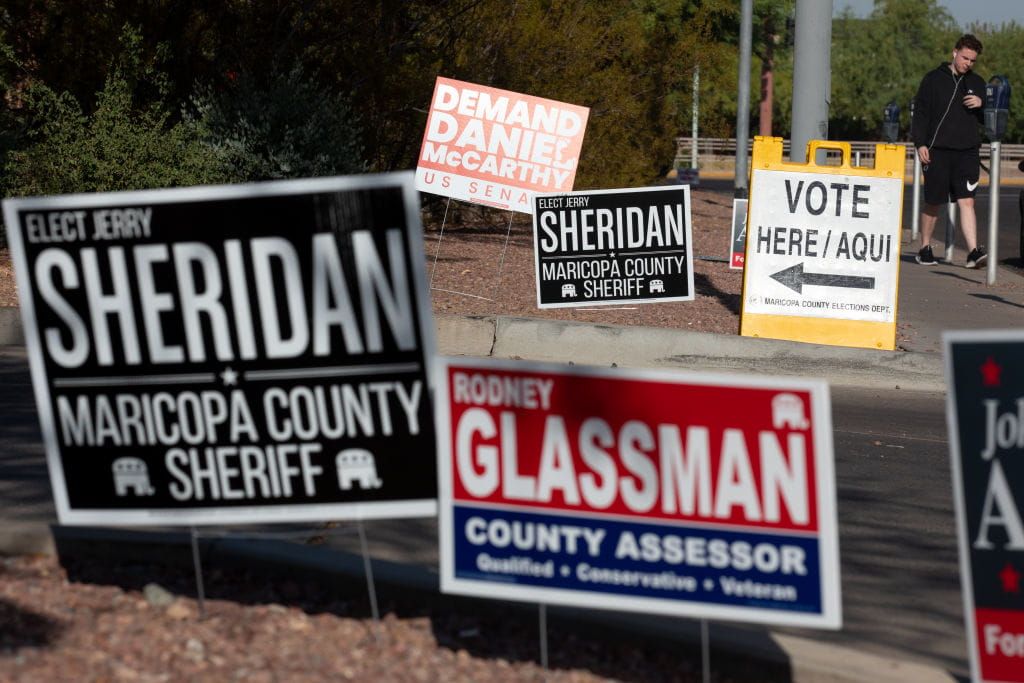
Arizona is reshaping its midterm fight as Republican voters sort through options that promise to take the state back to conservative stewardship, focusing on border security, local control, and restoring voter confidence.
Republican voters pick their team to try turning this once-red state around. The mood among the party’s base is pragmatic and urgent, driven by recent election cycles that flipped Arizona into a competitive terrain. Candidates are being judged less on ideology and more on who can deliver wins in November.
Jul 22, 2026 figures as a marker on the calendar for campaigns and activists plotting turnout and messaging. That date sits alongside a broader sense that this cycle is a test of Republican discipline and strategy. Winning here means proving the party can win statewide races again and make gains in key counties.
The border issue remains central. Voters in Arizona are practical; they want stronger enforcement, clearer policies, and a focus on the real-world impacts of illegal crossings on communities and resources. Candidates who articulate a direct, enforceable plan gain credibility with a broad slice of the electorate.
Economics and inflation are also driving decisions at the ballot box. Local voters respond to concrete promises about jobs, cost of living, and regulatory relief more than abstract national debates. Republican hopefuls who offer straightforward solutions to high prices and stagnant wages are finding receptive audiences in suburban and exurban precincts.
Election integrity and local control are prominent themes in conversations with party activists. There is appetite for transparent systems that protect every legal vote while blocking fraud and abuse. Campaigns that present clear, common sense reforms without sounding extreme are positioning themselves well for primary voters and independents.
Messaging matters now that Arizona is seen as a battleground again. The GOP is sharpening its pitch to emphasize law and order, energy independence, and support for small businesses. Voters who switched allegiances in recent cycles are watching for competent governance and signs that candidates can actually implement promises.
Ground game and turnout operations are taking priority in strategy rooms across the state. Republicans are investing in door-to-door outreach, targeted advertising, and rapid response to local issues to reclaim lost seats. Successful campaigns will combine smart data work with boots on the ground in Maricopa, Pima, and emerging suburban districts.
Local endorsements and intra-party dynamics will shape the final field in ways national observers may miss. Grassroots activists, county leaders, and precinct captains carry influence in nominating contests that decide who carries the flag into November. Candidates who build coalitions across factions stand a better chance of avoiding bruising primary fights that leave the eventual nominee weakened.
Moderation and principle are not mutually exclusive in this cycle; pragmatic conservatism is the currency that wins. Voters want leaders who defend constitutional values while delivering practical results on immigration, the economy, and public safety. The challenge for the party is to present a unified, competent team that can translate rhetoric into victories at the ballot box.
The coming months will reveal whether Republican organizers can convert energy into votes and whether nominees can persuade independents and soft Democrats to reconsider their choices. Arizona’s status as a turning point state means every campaign move is magnified and every turnout effort amplified. For voters, the question is simple: who can actually win and govern effectively in a state that rewards clear performance.

