

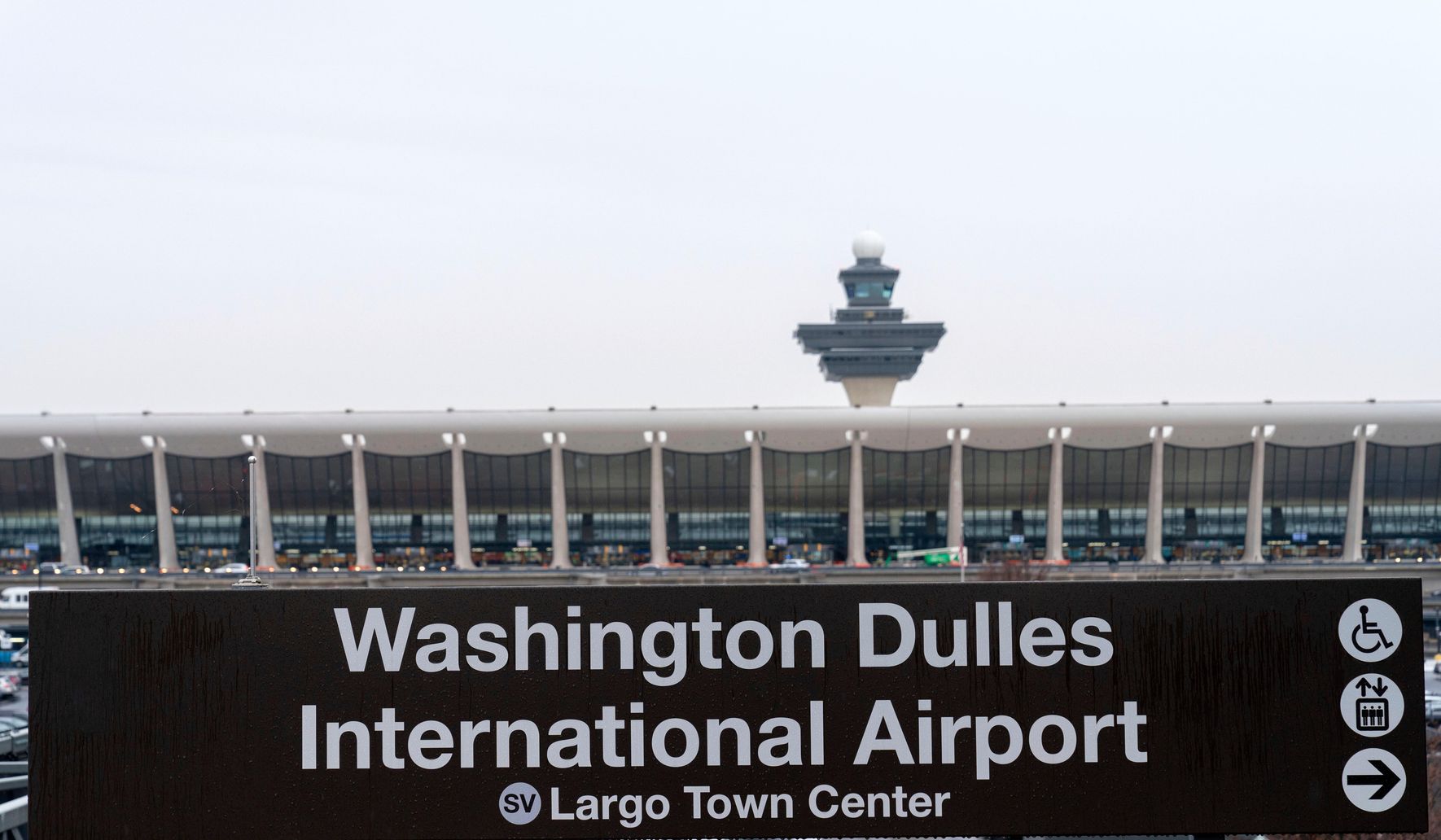
A mobile lounge at Washington Dulles International Airport struck a United Airlines luggage cart Wednesday, injuring a United employee and prompting an on-site response and review of operations.
The incident involved a mobile lounge used to move passengers between terminals, which made contact with a luggage cart while in service. Airport staff and emergency responders were on scene to address the injury and assess any immediate safety concerns.
Mobile lounges are specialized vehicles that shuttle travelers and their luggage across expansive airport layouts, and they operate on tight schedules to keep connections flowing. When something goes wrong in that system, even a minor collision can disrupt people and baggage movement and draw quick attention from airport operations teams.
Officials at the airport confirmed an employee from United Airlines was hurt after the collision with the cart, though details about the severity of the injury were not released publicly. The priority in these situations is medical care for anyone affected and stabilizing the scene so airside operations can continue safely.
Airport crews typically follow established protocols: separate the vehicles involved, provide medical attention, document the scene and gather preliminary witness statements. That initial phase helps determine whether the issue was mechanical, human error, or a combination of factors that led to the contact between vehicles.
Following an event like this, investigators look at operator training records, vehicle maintenance logs and any available video or telemetry to understand the sequence of events. Those reviews help airports decide if immediate procedural changes are needed or if more extensive safety measures should be considered to avoid a repeat.
For passengers nearby, a collision involving service vehicles can mean delays, a temporary reroute of the mobile lounge service or a shift to buses and walkways as backups. Airport teams aim to restore normal passenger movement quickly while preserving safety, and communication to travelers usually focuses on alternate routing and estimated return to regular service.
United Airlines, which employs the injured worker, and the airport authority typically coordinate during the response and subsequent review, sharing findings that affect both airline staffing and ground operations. Any follow-up actions can include refresher training, adjustments to vehicle operation procedures or mechanical checks on the equipment involved.
Incidents like this underscore the complexity of ground operations at major airports, where many moving parts must be coordinated precisely to keep travel on time and safe. While uncommon, collisions between service vehicles and ground equipment are reminders that continual attention to maintenance, training and situational awareness remains essential.

