

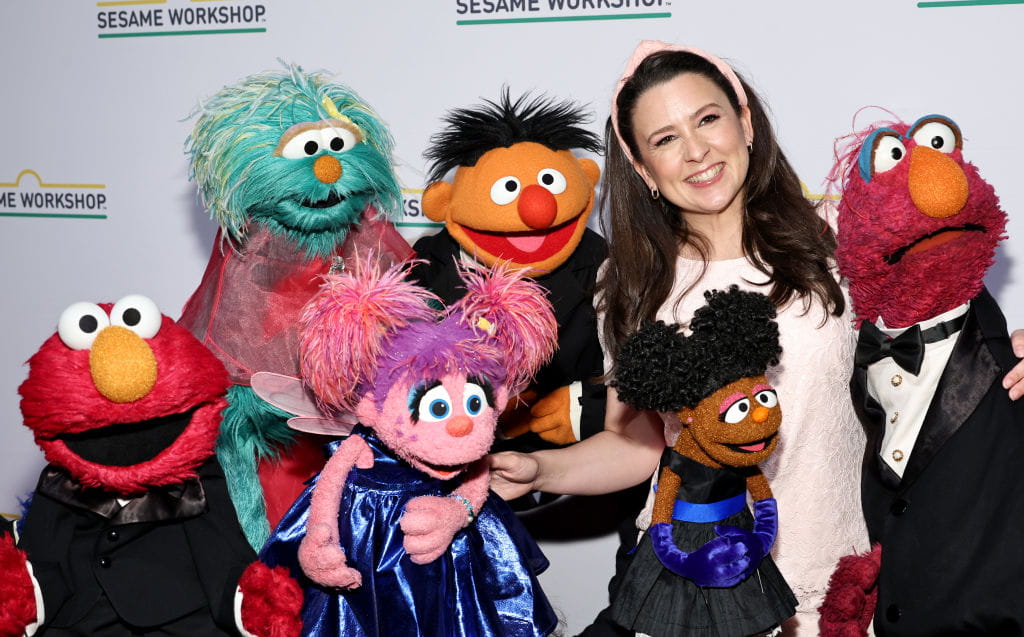
Rachel Griffin Accurso – better known as Ms. Rachel – has announced she is “political.” The YouTube creator famous for “learning” videos aimed at babies and toddlers says her new focus is shutting down a US Immigration and Customs Enforcement (ICE) illegal immigrant detention center in Texas, a move that turns a children’s brand into a political campaign.
Rachel Griffin Accurso built a large audience by creating simple, friendly content for very young kids, and parents welcomed the calm, educational tone. Now that persona is colliding with activism, and that shift raises honest questions about mixing children’s entertainment with public policy fights. Viewers who trusted Ms. Rachel for nursery-room lessons are being asked to follow her into a heated immigration debate.
From a Republican perspective, there’s nothing wrong with a citizen speaking up about policy, but there is a clear difference between civic engagement and turning content aimed at toddlers into a platform for activism. Parents expect nursery rhymes and alphabet songs, not campaigns aimed at changing detention policies. When creators who reach kids pivot to politics, it can feel like an overreach into homes and parenting choices.
ICE plays a specific role in enforcing immigration laws and detaining people who are subject to removal or investigation, and many conservatives view detention centers as a hard but necessary part of border and immigration enforcement. Calls to close a facility in Texas touch on broader debates about border security, the rule of law, and how the country manages migration. Those debates deserve adult discussion in appropriate forums, not in channels designed for infants and toddlers.
There’s also the credibility problem. Being good at teaching toddlers how to sing their letters doesn’t automatically translate into expertise on federal detention policy or immigration operations. Activism needs context and facts, and when a children’s entertainer leads the charge, nuance can get lost. Constituents and parents who care about both kids and safety should demand clarity about goals, methods, and the consequences of closing facilities that serve enforcement purposes.
Parents have the right to choose what their children watch, and that includes deciding whether to follow creators who step into politics. Transparency about political activity matters more when the audience includes minors. Creators who decide to speak out should make it clear when content is political, separate from the educational shows that attracted families in the first place, and respect parental authority over what children are exposed to.
At the same time, free speech protections allow anyone to advocate for policy changes if they wish. The point here is not to silence Ms. Rachel but to call for boundaries and responsibility. Republican voters often emphasize parental control, local decision-making, and adherence to law, and those principles suggest that political campaigning should be conducted in spaces meant for adults, not in bedtime videos or toddler playlists.
This episode highlights a new reality in digital media: creators who once made simple, wholesome content now have massive platforms and can influence conversations far beyond nursery topics. That influence should be wielded carefully. If Ms. Rachel wants to engage on immigration policy, she has every right to do so, but her move into the political arena is likely to prompt skepticism among families who preferred their children’s videos to stay out of partisan fights.
Ultimately, the intersection of celebrity, children’s media, and politics demands thoughtfulness from creators and vigilance from parents. The debate over an ICE illegal immigrant detention center in Texas is serious and deserves adult discussion where policy trade-offs, legal frameworks, and public safety are openly addressed. Turning toddler programming into a launching pad for activism complicates that conversation and raises valid concerns about where we draw the line between entertainment and political persuasion.

