

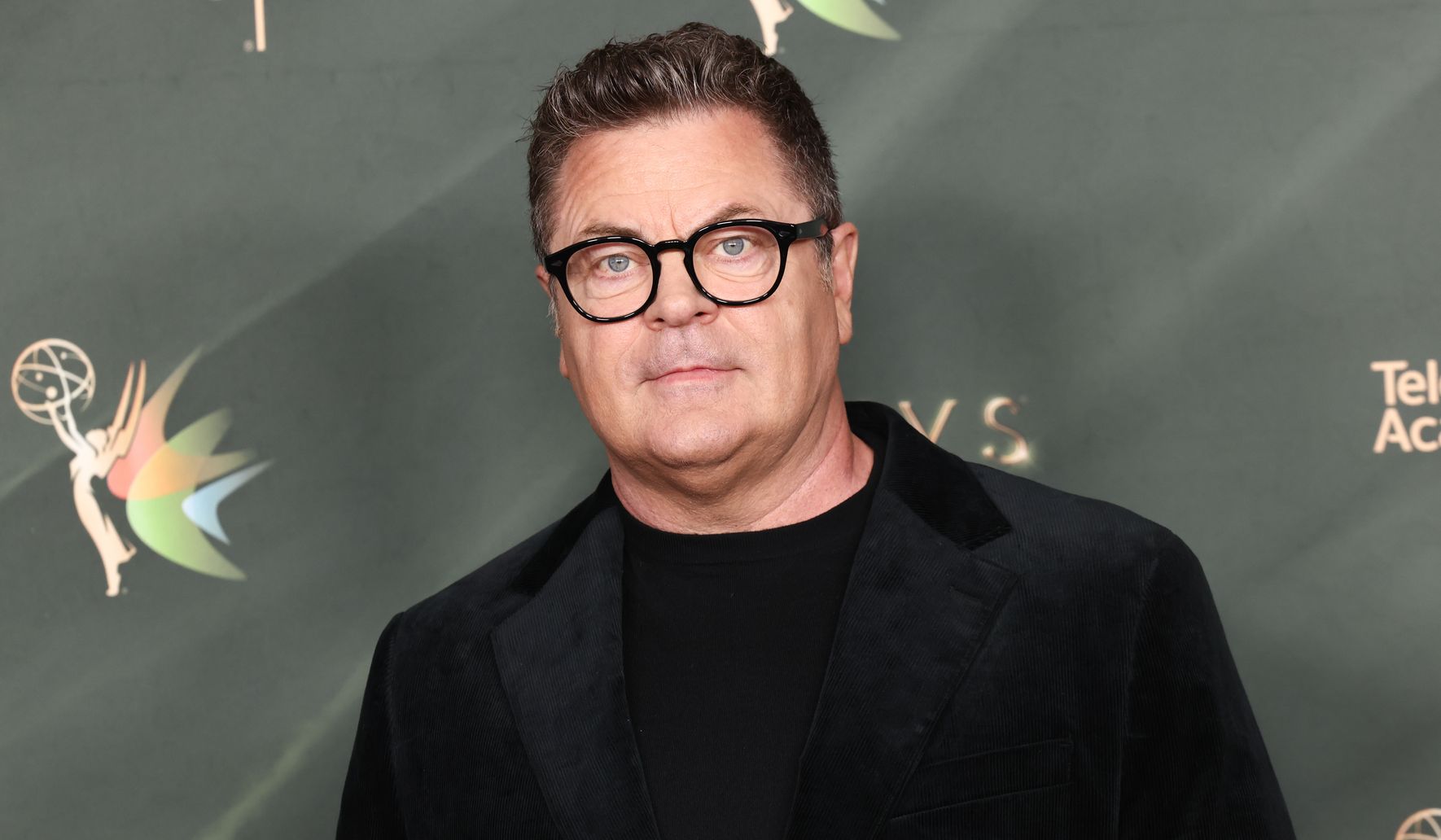
Actor NICK OFFERMAN has once again publicly criticized conservative commentator BEN SHAPIRO for a years-old takedown of Offerman’s gay role in HBO’s “The Last of Us,” renewing a debate that blends entertainment choices with political commentary.
NICK OFFERMAN’s renewed criticism of BEN SHAPIRO centers on a past attack Shapiro made about Offerman’s gay role in HBO’s “The Last of Us.” The exchange has resurfaced as both names remain prominent in conversations where entertainment and politics intersect. Offerman’s decision to revisit the dispute has drawn attention from viewers who follow both the series and broader cultural debates.
The original takedown by BEN SHAPIRO came years ago and targeted the casting and portrayal decisions in the HBO series, focusing on a character choice that some saw as a progressive step in representation. That critique lingered in public memory and gained new traction once Offerman addressed it again. The resurfacing shows how comments from high-profile media figures can continue to influence discussions long after they are first made.
HBO’s “The Last of Us” has been widely discussed for its storytelling choices and for introducing complex characters, including those whose identities broaden typical genre expectations. Conversations about representation in dramatic series often provoke strong reactions from different corners, and the Offerman-Shapiro exchange is a recent example. Viewers and commentators regularly debate whether casting and characterization decisions serve narrative authenticity or broader cultural aims.
Public figures who bridge entertainment and commentary play a large role in shaping those debates, and their remarks tend to travel far beyond the platforms where they first appear. BEN SHAPIRO, as a conservative commentator, reaches a sizable audience that tracks his takes on culture and media. NICK OFFERMAN, as an actor with a recognizable profile, also commands attention when he publicly responds to criticism aimed at his work.
The dynamic between actor and commentator highlights a pattern where entertainment becomes a proxy battlefield for wider ideological fights about values and representation. When a critique is labeled political, the response can escalate into a debate about artistic freedom, audience expectations, and the responsibilities of creators. That escalation often makes it harder for ordinary viewers to separate reactions to a performance from reactions to a culture war framing.
For many observers, the resurfaced dispute underscores how past comments from commentators like BEN SHAPIRO can resurface and affect the reputations of actors and shows. Offerman’s renewed criticism acts as a reminder that public back-and-forths do not always have neat endings and that disputes over casting and characterization can flare up again when circumstances change. Industry professionals watch these moments closely because they can influence both creative decisions and public relations strategies moving forward.
The reaction from fans and industry insiders shows a mix of support, criticism, and fatigue with recurring controversies that fold entertainment into broader political arguments. Some viewers defend the creative choices made in HBO’s “The Last of Us,” while others view critiques like Shapiro’s as legitimate cultural commentary. As this particular exchange continues to draw attention, it remains one of several examples where a single role or line of dialogue becomes amplified by media personalities and audience networks across platforms.

