

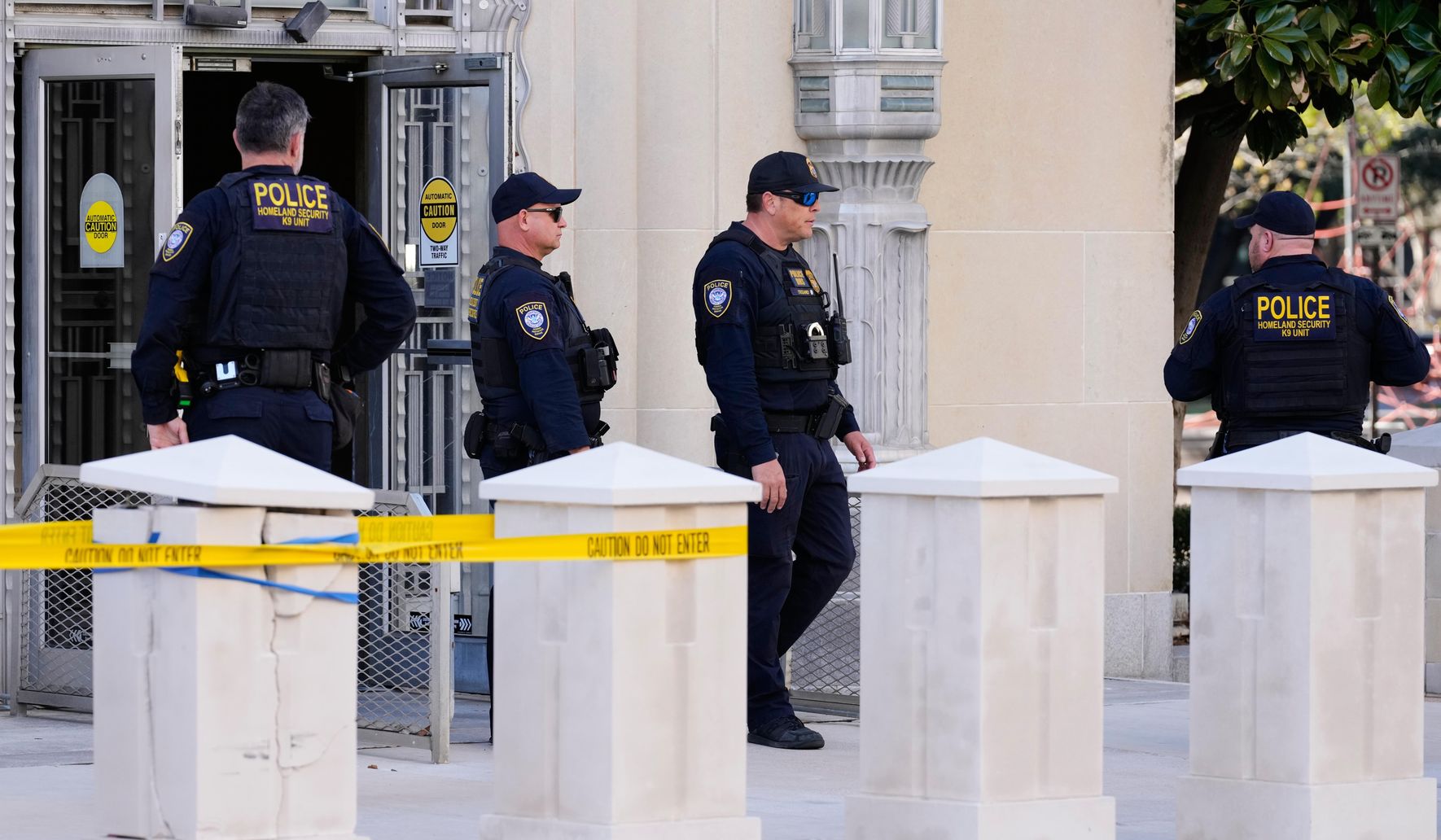
Nine people were convicted by a federal jury Friday for charges stemming from last year’s attack on an ICE detention facility in Texas, in what federal prosecutors called the first-ever terrorism
The convictions landed after a high-profile federal case tied to an attack on a Texas immigration detention site last year. The rulings mark a rare use of terrorism-related charges in domestic prosecutions connected to protest violence. The outcome has already stirred debates about policy, enforcement, and public safety.
Nine people were convicted by a federal jury Friday for charges stemming from last year’s attack on an ICE detention facility in Texas, in what federal prosecutors called the first-ever terrorism
That sentence, intact and unaltered, sits at the center of what will be a broader legal and political conversation. The jury verdict is concrete; the implications will play out in courtrooms and public debate. Republicans will point to the verdict as proof that law and order matters.
From a Republican perspective, the decision underscores the need to back federal law enforcement and immigration authorities. When an attack targets a detention facility, it’s an attack on the rule of law and on officers doing a difficult job. Prosecutors pursuing terrorism charges in such a case reflects how seriously the federal government viewed the incident.
Legal experts will parse the conviction for months, looking for how the terrorism label was applied and what precedent it sets. That scrutiny is healthy: courts must balance free speech and protest rights against violent conduct and conspiracy. But the political takeaway is straightforward: attacks that cross into organized violence should be met with full-force prosecution.
The practical effects could be significant for how similar cases are handled going forward. Prosecutors may feel emboldened to bring more aggressive charges when patterns of planning and incendiary action emerge. At the same time, defense lawyers will likely challenge the scope of terrorism statutes in domestic contexts.
On the ground, ICE facilities and their staff deserve clear support and protection. Left unchecked, targeted violence against detention centers risks escalation and endangers officers, detainees, and surrounding communities. Republican leaders will argue for stronger security resources and firmer penalties to deter future attacks.
Politically, the verdict will be framed in different ways across the spectrum. For conservatives, it reinforces a message of accountability and public safety. Critics will warn about overreach and civil liberties; those concerns merit attention, but they do not excuse violent acts.
Congressional attention is likely to follow, with calls to review statutes governing domestic terrorism and to close any gaps that prosecutors used to obtain the convictions. Lawmakers may pursue clearer definitions or tougher penalties, aiming to make prosecutions less controversial and more consistent. The debate will reflect broader tensions over protest, policing, and border policy.
Public perception matters, and Republican messaging will emphasize protection of institutions and front-line personnel. Voters who prioritize safety and law enforcement will see the case as validation of those priorities. Messaging will stress that supporting the rule of law does not mean suppressing peaceful dissent.
The judicial process is not over for all involved; appeals and sentencing will shape the final outcomes. Defense teams will press constitutional and procedural arguments, while prosecutors will defend the terrorism finding as appropriate for the facts presented. How judges respond will influence future prosecutorial strategies.
This case is also a reminder that domestic unrest can escalate in ways that require a clear legal response. Republicans will use the moment to advocate for firm, predictable consequences for violent activity aimed at federal facilities. That stance seeks to deter copycat actions while preserving space for lawful protest and debate.
Communities near detention facilities will be watching how authorities balance security and civil liberties in the weeks ahead. Local leaders can reduce friction by coordinating with federal partners and supporting transparent investigations. Meanwhile, the larger policy fight over immigration and enforcement will continue on Capitol Hill and in statehouses nationwide.
Whatever the long-term legal outcome, the convictions already sent a strong signal about how federal prosecutors can characterize and pursue cases tied to organized attacks. For those insisting on respect for institutions and public safety, the verdict will be seen as a necessary step. The nation will now watch how courts and lawmakers follow up.

