

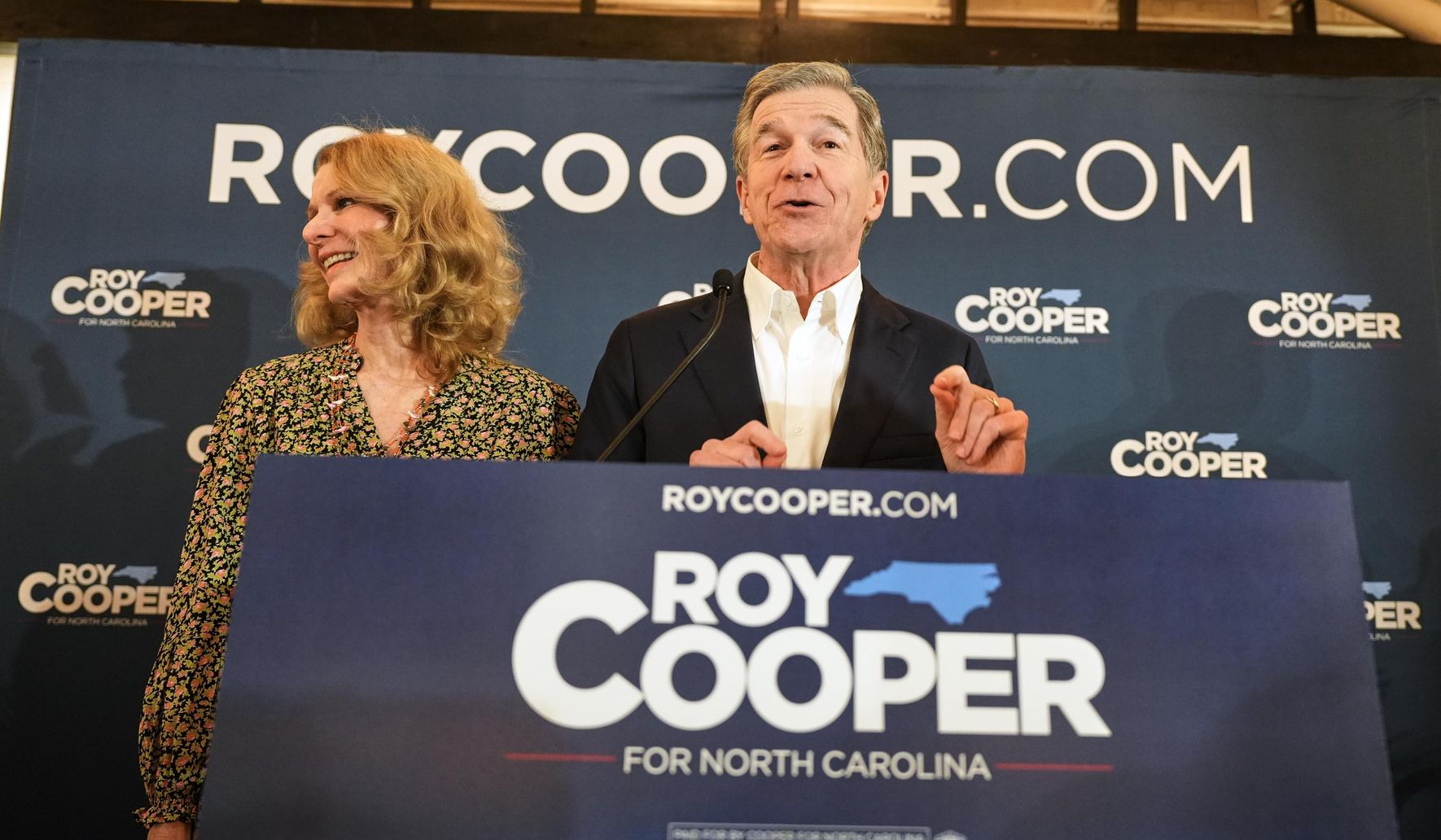
North Carolina voters are comfortable electing Democrats as governor, but they treat U.S. Senate races differently, often favoring Republicans for federal office while choosing Democrats for state executive posts.
North Carolina does not mind electing Democrats as governor, but it is a different matter when it comes to sending them to the U.S. Senate. That split-ticket habit is a pattern voters have shown repeatedly, and it tells you something about how they separate state issues from national politics. Voters there evaluate candidates on different scales depending on the office at stake.
On the surface, electing a Democratic governor while sending Republicans to the Senate seems contradictory, but it makes sense when you look at the local context. Governors can be judged by schools, roads, and how they run state agencies, which invites pragmatic choices. Senate races force voters to weigh national agendas, legislative power, and party control in Washington, and that tends to push them toward different priorities.
Republicans reading the map should see both danger and opportunity. The danger is complacency; winning the governor’s mansion while losing federal contests can lull a party into believing it has broader sway than it really does. The opportunity is clearer messaging and candidate recruitment targeted to how North Carolinians actually vote: emphasize local competence for state races and national security and economic independence for federal contests.
Voter turnout patterns help explain the split. Midterm and off-year elections, when governors and other state officials run, draw a different electorate than presidential-year and high-profile federal contests. That changes who shows up and which issues dominate the ballot. Campaigns that understand which voters decide which races can shape their strategies more effectively.
Candidate quality matters a lot in North Carolina. A moderate, competent Democrat can win statewide office by appealing to independents and pragmatic conservatives who want effective governance. In Senate contests, however, the national profile of the party and its leader’s agenda become a bigger factor, and voters who lean conservative often recoil from federal Democrats’ alignment with Washington priorities they dislike.
Messaging plays a huge role in sustaining this pattern. When state-level Democrats focus on schools, infrastructure, and local taxes, their pitch lands better with swing voters. Federal Republicans can capitalize on concerns about national spending, cultural issues, and judicial nominations to attract a different slice of the electorate. Each side wins when it matches message to the voter set that matters most for the ballot at hand.
Fundraising and outside spending tilt federal races in ways that favor nationalized campaigns, which can hurt local Democrats running for Senate. Outside groups use Senate contests to score national points, often turning them into referendums on presidents and congressional majorities. That shifts attention away from local competence and toward broader partisan fights that benefit Republicans in North Carolina’s mix of voters.
Demographics matter, but they do not determine outcomes on their own. Urban growth and suburban shifts have opened opportunities for Democrats, yet rural turnout and conservative mobilization keep Senate maps competitive. The result is a tug of war: localized Democratic strength for governor contrasted with conservative resilience in federal contests. Winning both requires strategies that bridge those different terrains.
Republican strategists should not ignore the lessons of split-ticket voting. Successful approaches include recruiting credible statewide candidates who can compete on bread-and-butter issues and running federal campaigns that speak directly to voters’ concerns about national direction. That combination can blunt Democratic advantages at the state level while reinforcing Republican appeal in Washington-bound races.
At the end of the day, North Carolina voters are pragmatic and selective. They will reward competence in Raleigh and push back against national agendas they see as out of step with their priorities. Recognizing that distinction is how parties can win more consistently across every level of government without pretending the dynamics are the same for every office.

