

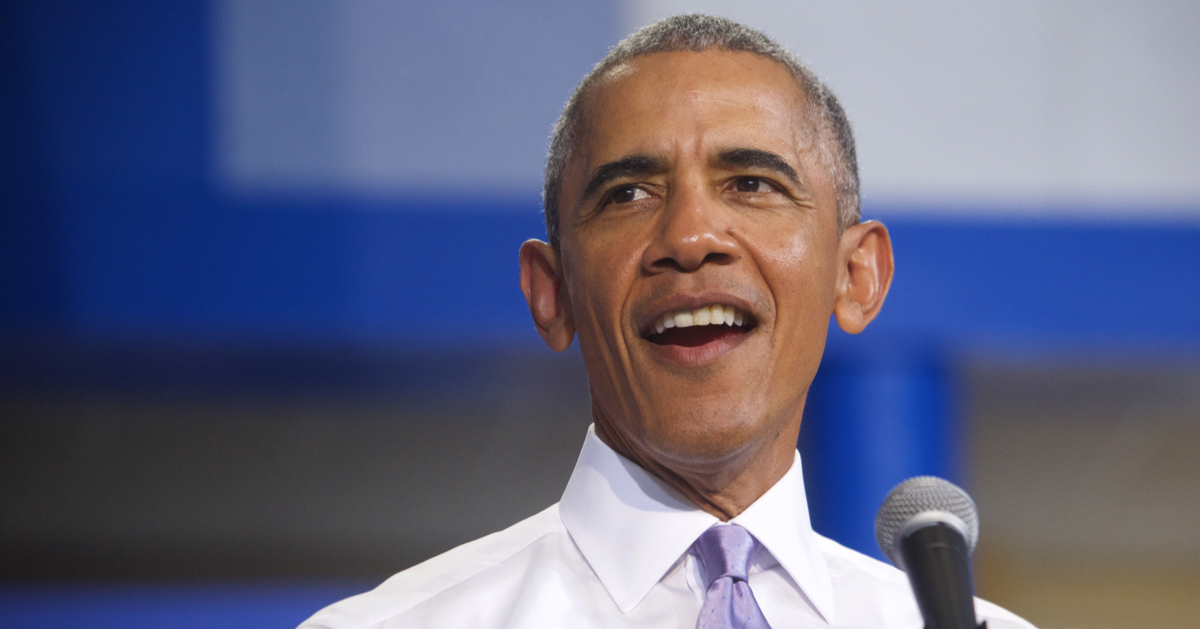
Former President Barack Obama has jumped back into campaigning to boost Democratic turnout in critical 2025 off-year contests, backing gubernatorial hopefuls in New Jersey and Virginia and pushing initiatives like California’s Proposition 50 to reshape congressional maps. Republicans see this as a last-ditch effort by a party still reeling from 2024 losses, focused more on revving up the base than persuading undecided voters. The effort leans on Obama’s enduring popularity—even with a 59% approval rating per a 2025 Gallup poll—but critics question whether star power can overcome broader shifts in voter sentiment. What happens next will matter for control at the state level and for the party’s future direction.
Obama’s appearances are unmistakably aimed at one thing: turnout. He’s campaigning alongside candidates like New Jersey’s Rep. Mikie Sherrill and Virginia’s Abigail Spanberger to get Democrats to the polls for Tuesday’s state contests. That strategy accepts a basic political truth: in off-year elections, the people who show up decide the outcome. For Republicans, it’s a reminder that enthusiasm and organization at the local level usually beat celebrity endorsements.
Democratic operatives openly describe the push as a turnout play rather than a persuasion campaign. “The 2025 off-year elections are not held in a normal election year so this is more about turnout than it is about persuasion,” noted Democratic strategist Chuck Rocha. That admission undercuts the claim that high-profile surrogates can sway fence-sitters, and it puts a target on rally math: who can get their voters to show. Republicans argue that real change comes from grassroots work and clear messaging, not nostalgia.
There’s a case to be made that Obama still carries weight with parts of his party, which helps explain the heavy lift he’s taking on. His voice still resonates with many Democrats, and his public support for measures like Proposition 50 signals a willingness to intervene aggressively in state-level politics. But having influence inside party structures is not the same as shifting broader public opinion. The 2024 results showed how national trends can overwhelm celebrity campaigning, and that lesson is hard to ignore.
State governorships are where practical power lives, which is why these races matter. Controlling governorships shapes how districts are drawn, how federal funds are administered, and who sets policy priorities when Congress is gridlocked. Democrats treat win-or-lose state races as a fight to keep remnants of influence after a rough national cycle. Republicans, meanwhile, view this as a chance to cement gains and push back on federal overreach with state-based solutions.
Not everyone believes Obama’s push will move the needle. Some strategists argue voters care more about the candidates on the ballot than the stars who stump for them. After high-profile Democratic efforts failed to flip key contests in 2024, skepticism has hardened about the effectiveness of big-name endorsements. Republicans point to that failure as proof that electoral momentum now favors their message and ground game in many areas.
Allies of Obama have said he is “distraught” over policy shifts at the federal level and what they view as threats to democratic norms under the current administration. That emotional tone helps explain his urgency, but feelings alone don’t win elections. Republicans emphasize policy clarity, accountability, and local outreach as more reliable tools for changing minds and mobilizing voters in tight races.
The stakes of these off-year contests are practical and immediate. Victories for Democrats could slow or redirect state-level reforms pushed by Republican governors, while GOP wins would expand their ability to shape legislatures, oversee redistricting, and set regulatory agendas. Both sides know the math: statehouses influence federal politics more than many voters realize, and control there can have long-term consequences for national policy battles.
For now, the political theater centers on rallies, speeches, and the optics of celebrity intervention. Obama’s message that “California, the whole nation is counting on you,” aims to turn that symbolism into votes. Republicans see the same playbook and are responding by doubling down on local organizing, candidate-focused campaigns, and clear policy contrasts designed to translate enthusiasm into wins.
The Facts
- Obama is campaigning for Democratic gubernatorial candidates in New Jersey and Virginia ahead of the 2025 off-year elections.
- His focus is on boosting Democratic turnout rather than persuading undecided voters.
- Democratic strategists see these state races as critical after major losses in 2024.
- Obama also supports California’s Proposition 50 to potentially expand Democratic House seats.
- Despite his efforts, some within the party doubt the effectiveness of high-profile endorsements.

