

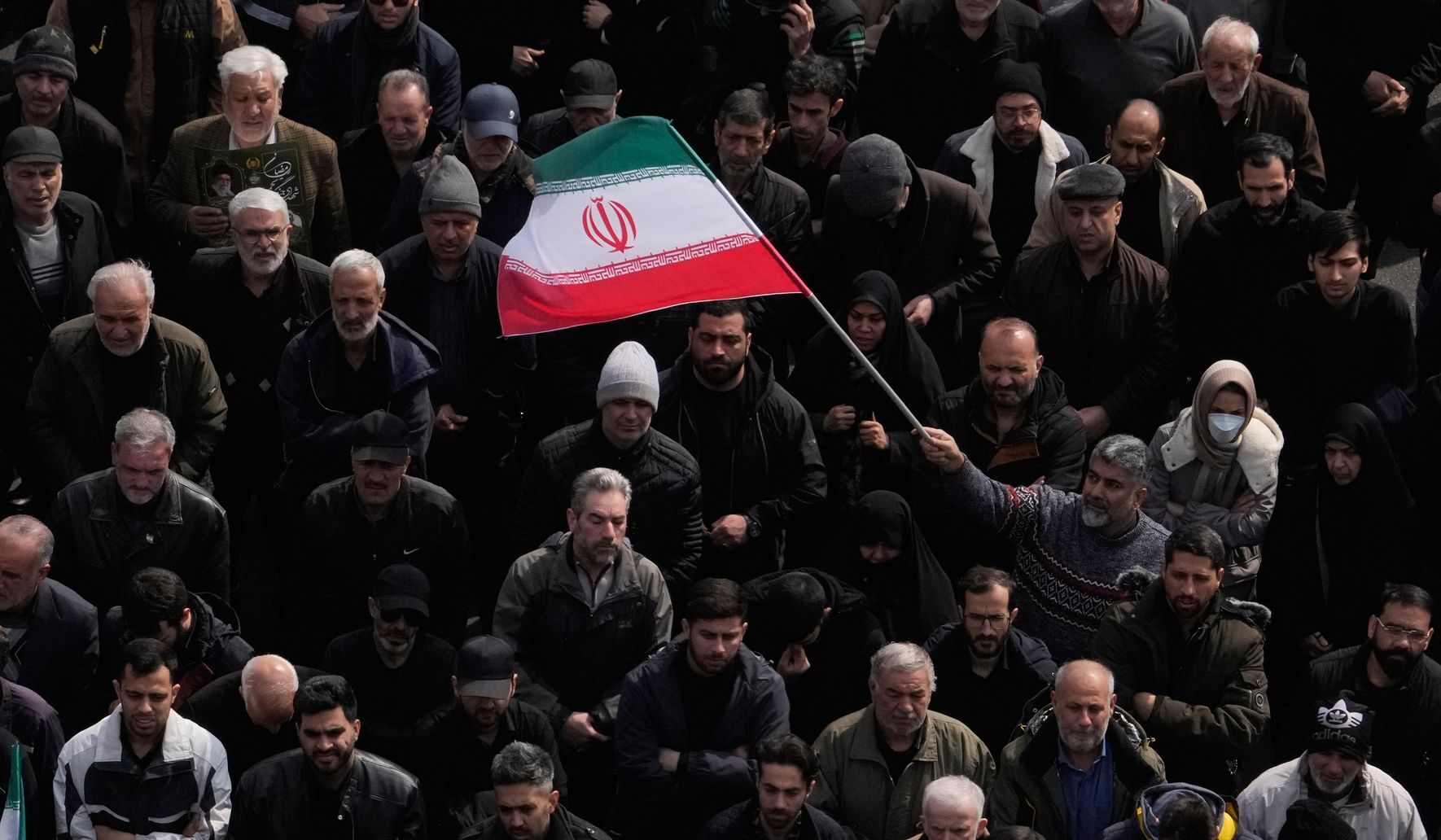
Federal officials alerted law enforcement after an encrypted broadcast tied to Iran set off alarm bells about a possible activation signal for covert operatives, prompting stepped-up surveillance and coordination across agencies.
Federal officials are warning law enforcement agencies to remain alert after an encrypted broadcast tied to Iran’s regime raised concerns about a possible activation signal for covert operatives. The message has forced a quick re-evaluation of local and national preparedness, and it has put counterintelligence teams on higher alert. Agencies across levels are sorting through signals intelligence and human reporting to figure out what, if anything, follows the transmission. The uncertainty itself becomes a risk factor for communities and critical infrastructure.
Intelligence officials say encrypted and coded communications have long been a tool of state-aligned networks, and this incident fits known patterns used to coordinate off-the-books actions. Iran and its proxies have relied on such methods to manage deniable operations without a public chain of command. That makes it harder for law enforcement and courts to hold anyone accountable unless solid, attributable evidence is collected. The encrypted nature of the broadcast complicates timely attribution and response.
On the ground, the immediate priority is protecting soft targets and ensuring law enforcement partners have up-to-date awareness of potential vectors and tactics. Local police, transit authorities, and private-sector security teams are being encouraged to treat the alert as a reminder to tighten routine security sweeps and reporting protocols. Federal partners are offering intelligence briefings and, where appropriate, technical assistance to help interpret signals. The goal is to blunt risk before it can be exploited by operatives using clandestine activation cues.
From a policy standpoint, this episode underscores the gap between talking tough and actually disrupting hostile networks beyond rhetoric. Republican policymakers argue that firm, proactive measures are required to deter Iran’s illicit communications and proxy activities. That means doubling down on intelligence sharing, imposing sharper sanctions on intermediaries, and supporting allies that face frontline threats. The preference is for a posture that makes hostile signaling futile rather than merely noticeable.
Lawmakers and security officials also recognize the legal and civil-liberty questions that come with intensified surveillance and enforcement. There’s a balance to strike between hunting down covert threats and preserving privacy and due process for citizens. Republican voices tend to favor targeted authorities aimed squarely at foreign-directed threats, combined with judicial oversight to prevent mission creep. Clear rules for interagency operation and evidence handling will be needed if prosecutions are to follow.
Technology plays a dual role, both enabling encrypted broadcasts and offering tools for their interception and analysis. Signals intelligence teams can use pattern recognition and metadata analysis to trace origin points even when content is scrambled. Private-sector firms that run critical communications infrastructure can be partners in detecting anomalies if they cooperate promptly. Robust investment in analytic capabilities and cyber defenses will be essential to keep pace with adversaries who use advanced comms methods.
The geopolitical dimension looms large because any activation signal tied to Tehran has spillover consequences for allies and U.S. forces abroad. A broadcast that triggers local operatives can set off a chain reaction of harassment, sabotage, or worse, depending on the objectives of the controlling actors. Republican strategists emphasize strengthening partnerships and posture in regions where Iranian-aligned groups operate, so threats can be intercepted before they reach U.S. soil. A proactive, capable posture reduces both risk and the temptation for escalation born of uncertainty.
Finally, the public-facing challenge is how to maintain calm without downplaying the seriousness of the threat. Officials must be transparent enough to keep communities informed while withholding operational details that could help adversaries adapt. Messaging should be direct and practical, outlining simple vigilance steps without sparking panic. At the same time, policymakers need to be clear-eyed about the adversary and prepared to act decisively if adversarial intent is confirmed.

