

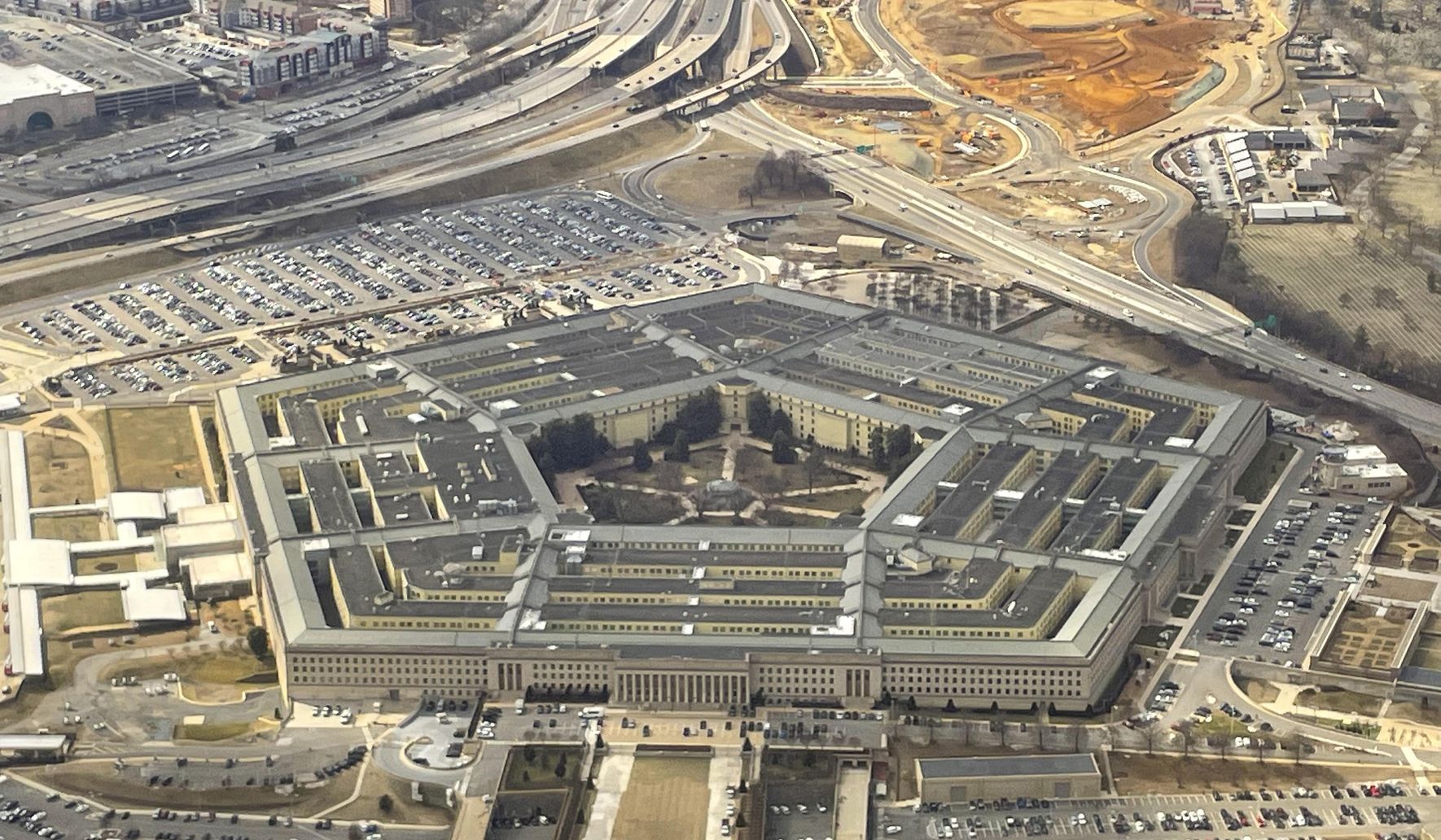
The Pentagon released an expanded list Friday identifying Chinese companies tied to the People’s Liberation Army that operate in the United States, calling out firms with both direct military links and those entwined with Beijing’s civilian sectors.
The update from the Defense Department is a clear signal that national security reviews are widening beyond obvious defense contractors. Republican lawmakers and security experts say the list exposes how commercial firms can support military modernization through supply chains and technology transfers. That mix of military and civilian connections changes how regulators and investors need to view corporate risk.
For conservatives, the list is proof that a more skeptical approach to China is warranted. The companies named operate inside the U.S. economic system, and their presence creates vulnerabilities that go beyond trade disputes. When commercial activity feeds military capability, it becomes a matter for defense policy, not just commerce rules.
The practical consequences are immediate: financial institutions, pension funds, and venture investors face potential exposure to entities now flagged by the Pentagon. Republicans point out that private money can unintentionally bankroll capabilities that threaten American soldiers and allies. That reality has driven calls for stricter screening of investments and clearer guidance on prohibited transactions.
Technological spillover is central to the concern. Advanced semiconductors, dual-use sensors, and AI tools have civilian applications but can speed military research when funneled to PLA-linked firms. The Pentagon’s list aims to make those linkages transparent so companies and regulators can separate benign commerce from activity that strengthens an adversary’s warfighting edge. Transparency, advocates say, helps close loopholes that have allowed strategic advantage to shift overseas.
This step also puts pressure on federal agencies to align tools—export controls, procurement rules, and financial sanctions—to the same threat picture. Republican strategists emphasize coordination so a Pentagon designation doesn’t sit alone while other agencies lag. Consistent policy across departments reduces the chance of policy gaps that adversaries exploit through front companies and complex ownership structures.
From a political angle, the publication of the list becomes both evidence and leverage. Republicans can use it to argue for tougher oversight of foreign investment and stronger penalties for bad actors. At the same time, defenders of robust economic engagement with China warn that overreach could harm American competitiveness, highlighting the tightrope policymakers face between security and market openness.
Businesses that trade with or invest in China will need to sharpen their due diligence and be prepared for a more politicized risk environment. The Pentagon’s move reframes routine commercial decisions as potentially strategic ones, and that will ripple through corporate compliance programs. For investors, the message is blunt: evaluate counterparties not only by balance sheets but also by their links to state-directed military programs.
In short, the updated list is more than a naming exercise; it reshapes how Washington and the private sector assess China-related risk. Republicans welcome the transparency and say it validates tougher policy tools. The next steps will test whether agencies can turn the list into cohesive, enforceable measures that protect American interests without needlessly stifling legitimate commerce.

