

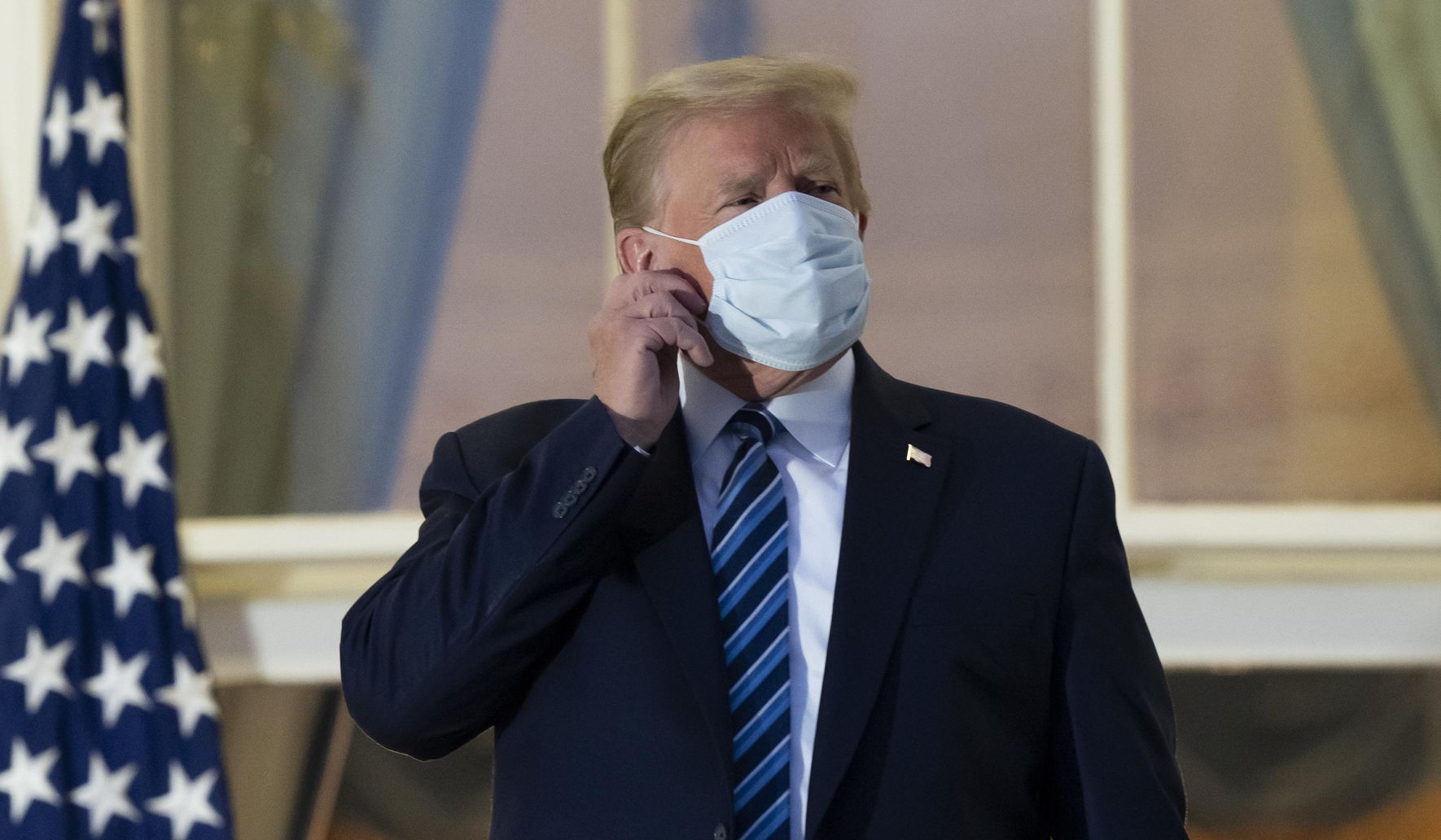
The COVID Justice Resolution has been filed by a coalition of civil rights groups calling on Congress to reject pandemic-era government overreach and demand accountability for policies that expanded executive power and restricted liberties.
The COVID Justice Resolution, launched this week by a coalition of civil rights organizations, asks Congress to formally repudiate government actions taken during the pandemic that eroded civil liberties. From lockdown mandates to sweeping surveillance tools, the resolution frames these measures as examples of overreach that need clear public reckoning. Republicans and conservatives see this as a necessary step to restore constitutional limits and protect individual freedom.
At its core, the resolution presses for accountability rather than punishment for policymakers, emphasizing transparency about the decisions made under crisis conditions. It calls for hearings, records, and honest explanations of why certain restrictions were chosen and how long they were intended to last. That kind of oversight is basic governance, and voters on the right want a clear record to prevent future abuses.
The coalition’s move reflects broader concern about how emergencies can be used to expand government power in ways that outlast the immediate crisis. Emergency orders that started as temporary often became entrenched policy defaults, and that normalization worries many Republicans who prioritize limited government. The resolution seeks to draw lines so temporary measures do not become permanent features of public life.
Another central demand is redress for people and businesses harmed by pandemic rules that had large economic and social costs. Schools, churches, small businesses, and families endured profound disruption, and the resolution urges Congress to examine both the decision-making process and the compensation or reforms needed afterward. Republicans have argued all along that the costs of sweeping mandates were too often measured in lives and livelihoods rather than policy briefs.
The document also brings up civil rights implications, asserting that some pandemic policies disproportionately affected certain communities and individuals. The coalition includes groups that usually focus on personal freedoms and civil liberties, and their involvement gives the resolution broader legal and moral weight. From a conservative vantage point, defending equal treatment under the law means scrutinizing emergency powers with careful skepticism.
Practical reforms suggested include clearer standards for invoking emergency powers and sunset provisions that automatically end extraordinary rules unless explicitly renewed. Those proposals aim to make future emergency responses more accountable and less susceptible to mission creep. Republicans favor rules that preserve the ability to act in true emergencies while preventing prolonged executive encroachment on legislative authority.
The push for hearings and documentation is also about learning lessons for future crises without politicizing public health entirely. Republicans insist that oversight is not a partisan witch hunt but a necessary check to ensure public trust. When governors and agencies operate without robust accountability, citizens lose confidence, and that undermines the ability to respond effectively next time.
There are likely to be debates in Congress about the scope and tone of any repudiation, including how to balance accountability with respect for the difficult decisions officials faced. Some will argue that harsh judgments overlook the uncertainty policymakers navigated in real time, while others will say strong rebukes are needed to deter future overreach. The GOP perspective tends to side with firm limits and clearer rules to keep emergency powers from becoming a default.
As the resolution moves through advocacy channels and into the legislative arena, its real test will be whether lawmakers act to codify safeguards and demand thorough explanations for past choices. Republicans will watch closely for measures that restore proportionality and protect constitutional rights from future encroachment. The debate that follows could shape how America responds to emergencies for a generation, making clarity and accountability the central Republican priorities in this discussion.

