

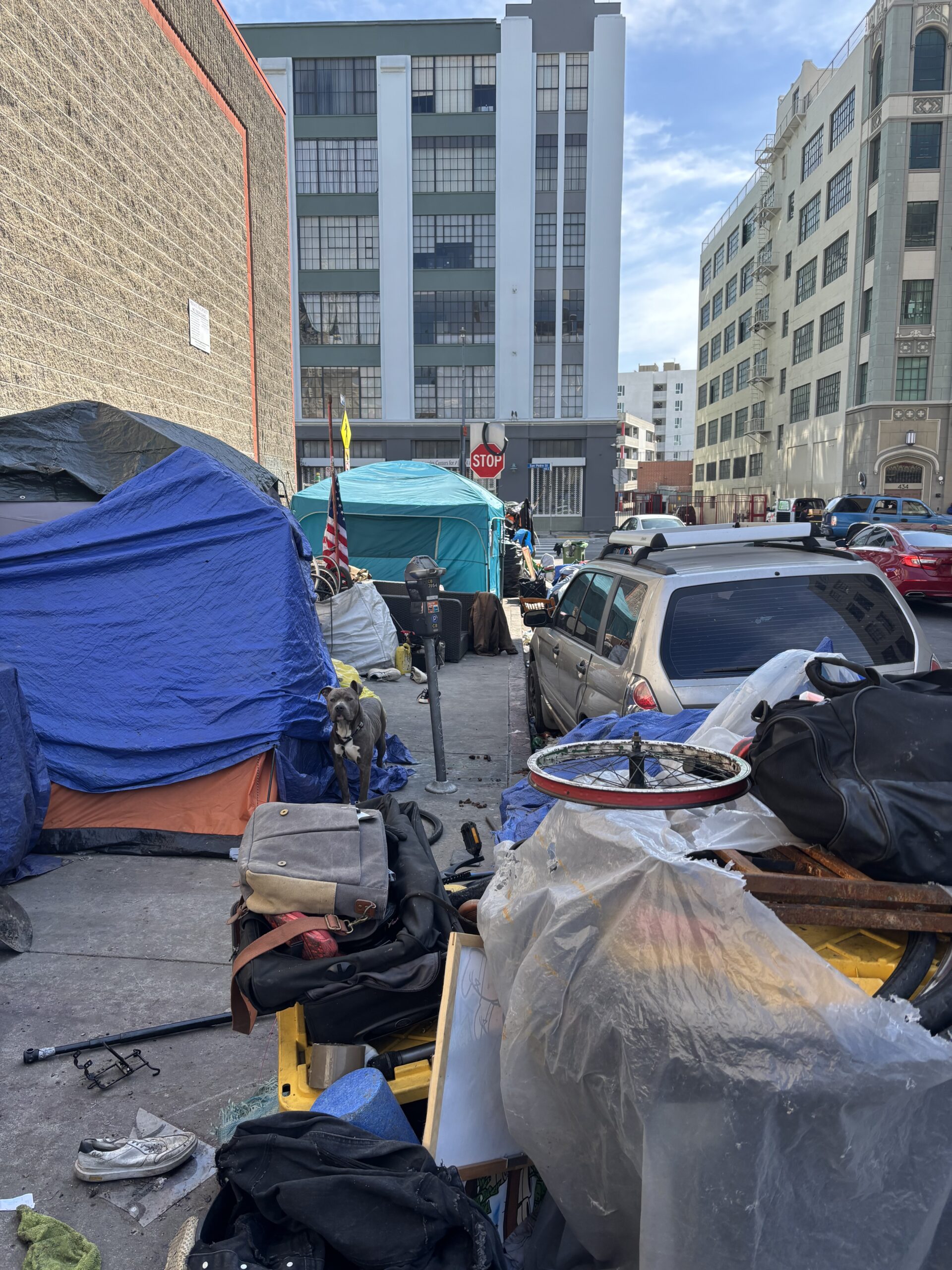
Federal officials have stepped in to oversee animal welfare for dogs in Los Angeles, a move that raises questions about local control, accountability, and the proper role of Washington in community matters.
Washington, D.C., is now in charge of making sure that dogs in Los Angeles aren’t mistreated. That shift of responsibility from local authorities to federal oversight feels like a big change for a city used to handling its own animal welfare work. People who care about dogs want effective enforcement, but they also want decisions made close to home. When control migrates to the capital, it alters priorities and how resources get spent.
For many conservatives, this is a classic example of federal overreach. Cities should be empowered to manage day-to-day problems, including animal protection, with oversight that respects local knowledge and budgets. Federal involvement often brings a one-size-fits-all approach that ignores neighborhood realities across a sprawling county like Los Angeles. That mismatch can produce rules that are hard to implement and expensive to follow.
Local animal control teams and nonprofit rescuers have long been the boots on the ground responding to cruelty complaints, homeless animals, and public health concerns. Those teams know streets, shelters, and shelters’ capacities in a way distant regulators do not. Shifting authority can strain those relationships and create confusion about who answers to whom in an emergency. Clear lines of responsibility matter when lives are on the line.
Another issue is accountability. Taxpayers fund animal services at the municipal level, and city leaders should be accountable for results. When decisions move to Washington, accountability gets dispersed and elections lose bite. Voters can’t easily correct mistakes by federal bureaucrats through their local ballots, and that weakens the direct link between citizen priorities and service outcomes.
There are practical concerns too. Federal standards may be well intentioned, but they sometimes come with costly mandates or complex reporting requirements that stretch local budgets thin. Smaller agencies end up spending precious time on paperwork instead of responding to calls and caring for animals. That diversion of resources can make shelters less effective even as new rules are intended to improve conditions.
At the same time, nobody serious is arguing against preventing cruelty. The moral baseline is clear: mistreatment should be punished and animals protected. The debate is over who should design, enforce, and fund the work. Conservatives tend to favor empowering local governments and community groups to deliver results while ensuring basic federal protections are limited to clear interstate or constitutional issues.
Transparency becomes crucial when oversight crosses jurisdictional lines. Citizens deserve public metrics showing how federal involvement changes outcomes for animals and taxpayers. Without straightforward data on inspections, results, and costs, it’s impossible to evaluate whether the intervention improves welfare or simply adds layers of bureaucracy. Real transparency lets people judge policy on measurable returns rather than rhetoric.
There are also legal questions about the scope of federal authority. Courts have long been a venue for sorting out where federal power ends and local control begins, especially when communities say outside regulators are exceeding their reach. Procedural clarity helps everyone move forward: clear rules, consistent enforcement, and a predictable path for resolving disputes.
Finally, private charities and volunteers often fill gaps left by government, and their role shouldn’t be overlooked. Successful animal welfare often mixes public enforcement with private compassion, where shelters, rescues, and donors step in to support adoption, medical care, and rehabilitation. Any oversight model that sidelines these local partners risks losing the very energy that keeps dogs safe and neighborhoods healthy.
What matters now is that any change in oversight produces better results for animals without breaking local capacity or bypassing voters. Practical, data-driven approaches that respect community expertise can protect dogs while keeping government close to the people it serves. That balance is the test for policy makers on both sides of the aisle as this story unfolds.

