

Federal year-end spending spiraled to record highs, raising questions about waste and oversight.
Congress and the Pentagon closed 2025 with a spending rush that deserves tough questions from taxpayers and lawmakers. The rush did not look like careful budgeting or strategic investment. It looked like unchecked spending that piled up at the last minute.
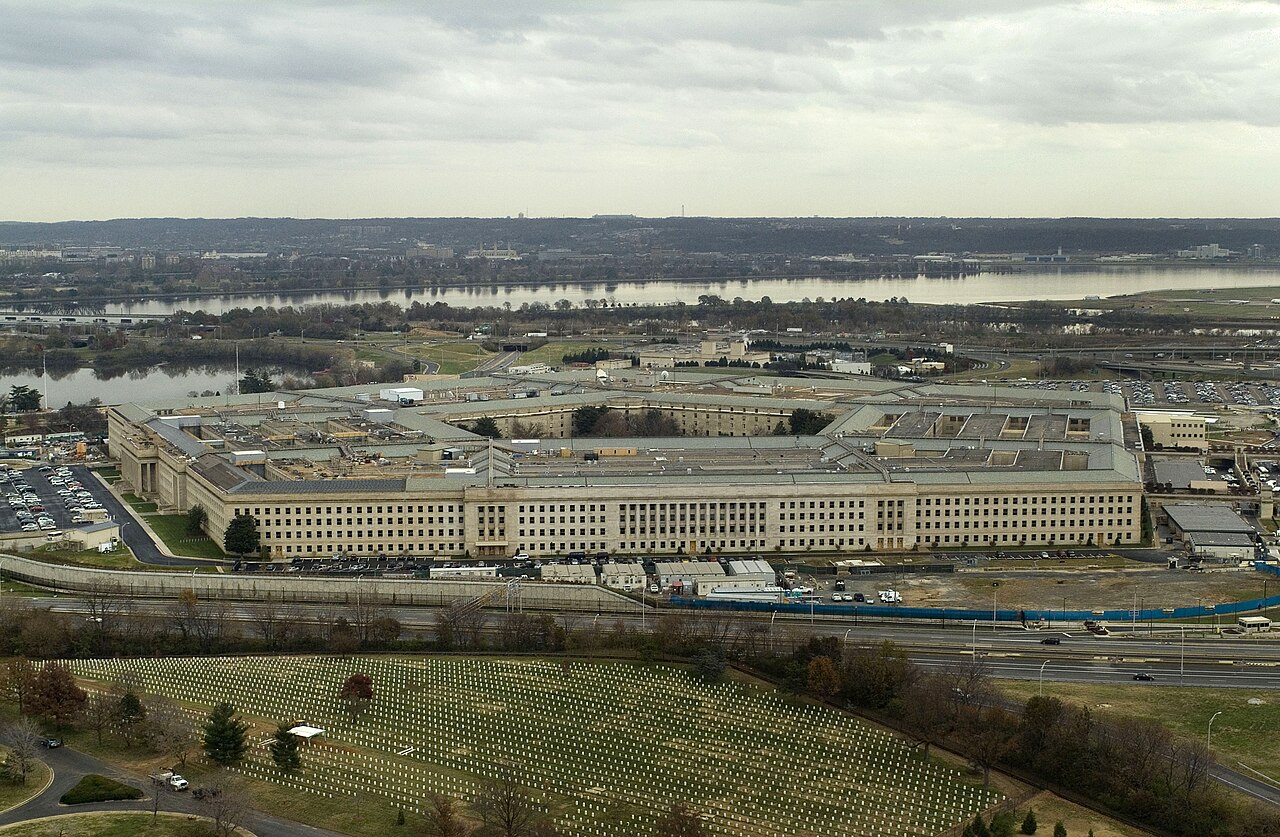
‘Unfortunately, the Pentagon’s traditional year-end spending spree in 2025 was the worst ever on record at a staggering $93.4 billion.’ That quote captures the scale of the problem in a single line, and the number is impossible to ignore. When sums that large are committed in a hurry, transparency and accountability suffer.
From a Republican point of view, this pattern reflects a culture that rewards last-minute dumping of funds instead of disciplined planning. Lawmakers on both sides share responsibility, but conservatives insist on tighter controls and clearer priorities. If we want a military that is strong and fiscally responsible, we must demand better budgeting habits now.
Year-end spending spikes often include purchases that were never prioritized earlier in the fiscal year, and that raises red flags. Were those items urgent, or were they convenient ways to spend leftover allocations? The concern is not just about numbers but about the process that lets large sums be obligated with minimal scrutiny.
Driving the problem is a mix of bureaucratic inertia and political reality. Agencies race to obligate funds before appropriations expire, and contract officers feel pressure to execute quickly. That creates incentives for haste over prudence, and the American people deserve government that resists those pressures.
Practical reforms could change the behavior that produces these end-of-year surges without harming readiness. Better phased spending plans, more regular accountability checkpoints, and stricter rules about last-minute obligations would reduce the temptation to dump money at the deadline. Conservatives favor policies that restore financial discipline while protecting essential defense capabilities.
Transparency matters here more than slogans. If lawmakers demand clear explanations for every large obligation made in December, agencies will have to justify choices that might otherwise slip through. Public scrutiny and stronger reporting standards will make it harder for wasteful or low-priority purchases to pass without challenge.
Finally, voters and taxpayers need straightforward answers about where money goes and why. Protecting national security does not require tolerating fiscal disorder. Responsible oversight, firm rules, and consistent enforcement will help ensure the defense budget reflects true priorities instead of year-end panic.

