

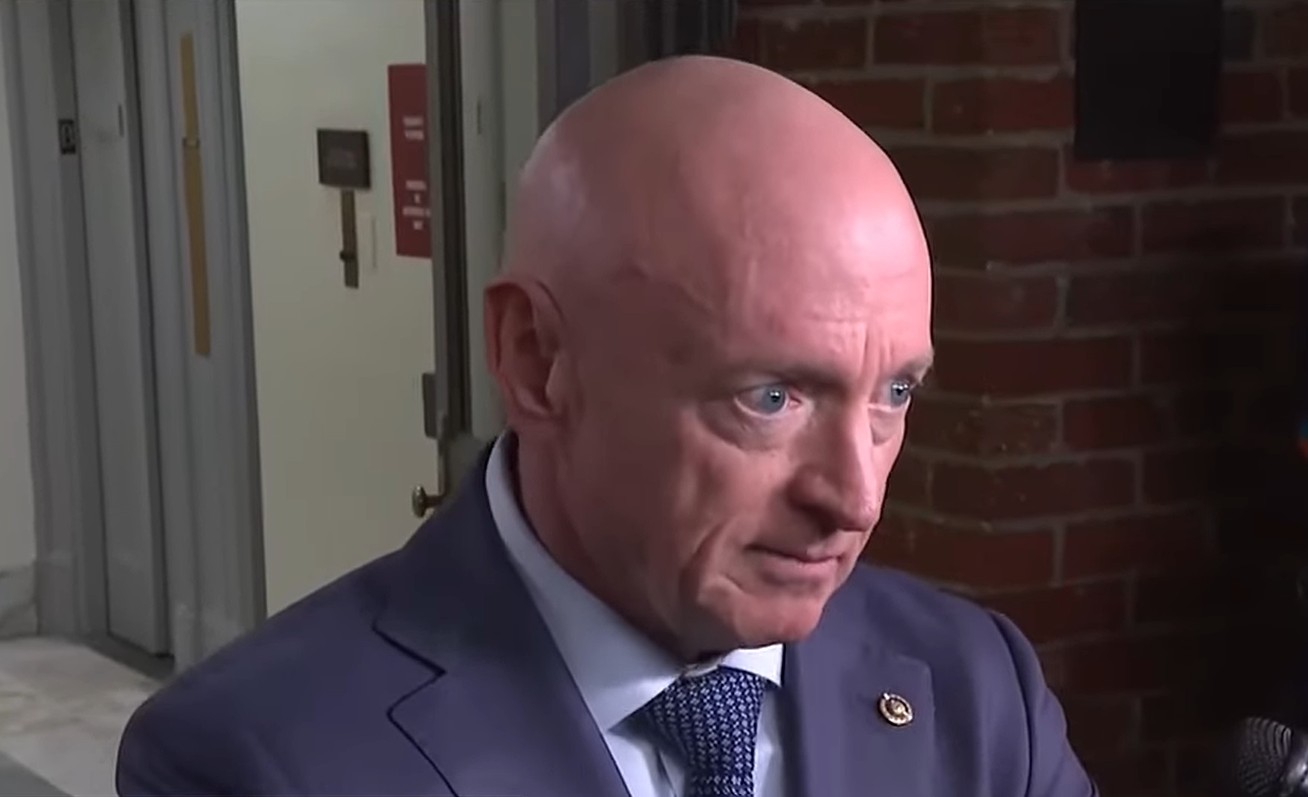
A sharp exchange over a viral clip has focused attention on how public messaging can affect military order, prompting calls for accountability, clearer standards, and a reminder that discipline inside the armed forces matters to national security.
When public figures discuss actions that touch the military, words carry weight, and that became obvious in this case. Pete Hegseth said the ‘reckless and seditious video … was clearly intended to undermine good order and military discipline.’ That sentence landed hard because it frames the clip not as mere commentary but as something that could threaten cohesion.
From a Republican perspective, preserving the chain of command and the integrity of our armed forces is nonnegotiable. Military readiness depends on clear orders and mutual trust between leaders and troops, and anything that chips away at that trust deserves scrutiny. Critics argue accountability should follow swiftly when actions or messages jeopardize that trust.
Responsibility cuts both ways: leaders must enforce standards, and civilians must be careful with rhetoric that could be interpreted as encouraging insubordination. This is not about muzzling debate, it is about protecting the people who serve and the missions they carry out. Reckless messaging can have consequences on morale, discipline, and operational effectiveness.
There’s also a legal and institutional framework designed to handle misconduct and breaches that affect military discipline. Calls for investigations or reviews are about applying those frameworks fairly and transparently. Republicans generally support processes that balance order, individual rights, and the need for decisive leadership within the armed forces.
Political theater often intersects with military affairs, and that intersection needs guardrails. Partisanship should never allow political arguments to compromise troop safety or mission success. The priority must be clear lines of authority and an unwavering focus on national defense rather than scoring points in public forums.
Practical measures can reduce future risks: reinforce ethics training, clarify guidance on public statements by service members and civilians about military operations, and ensure commanders have the tools to respond to genuine threats to discipline. Those steps protect both institutions and the people who serve in uniform.
Media platforms and influencers also hold responsibility when they amplify material that could destabilize key institutions. Reckless amplification can spread confusion and encourage behavior that undermines established norms. A sober, responsible approach to coverage respects the significance of military discipline without suppressing legitimate discussion.
Ultimately, the debate over this video is part of a larger conversation about how to keep our military effective and respected while preserving constitutional freedoms. That tension requires steady leadership, strict but fair enforcement of standards, and a culture that places the mission and the troops above political convenience.


1 Comment
Every one of these ‘sedition minded’ criminals should be prosecuted for SEDITION. Convicted, and if not sat down in front of a ‘Firing Squad,’ at least REMOVE them from the government of The United States and INCARCERATE them! As John Stossel would say, “GIVE ME A BREAK.”