

A blunt look at the idea of sending U.S. troops into Iran to seize 440 kg (970 lbs.) of 60% enriched uranium and fly it out, and the practical, legal, and political obstacles that would come with such a mission.
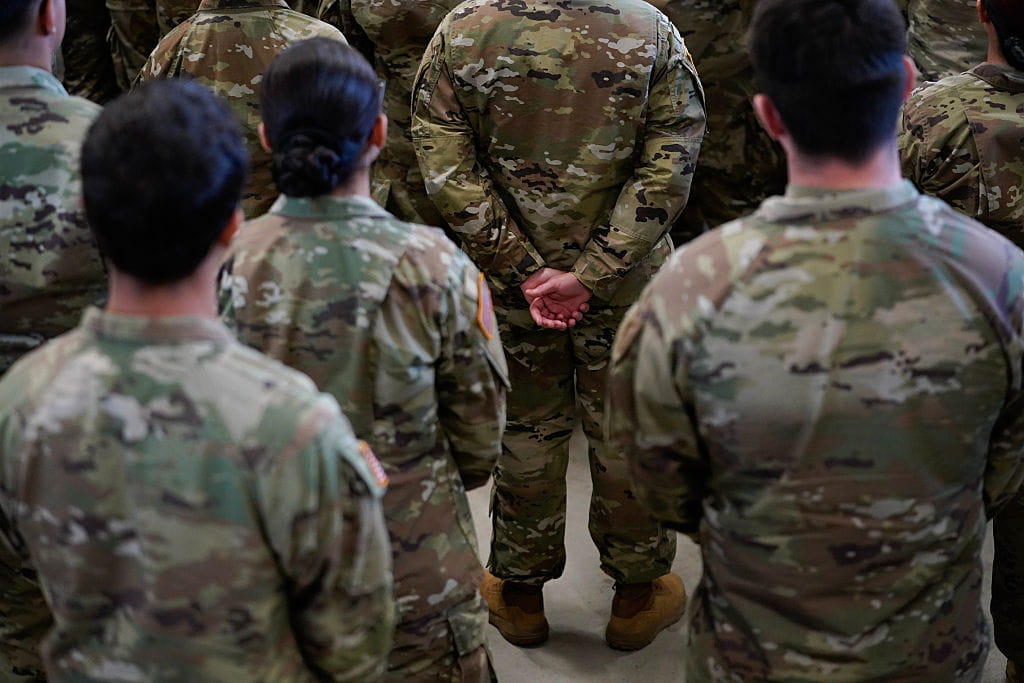
Someone floated the idea of using the 82nd Airborne Division (several thousand of whom will soon be in the region) to secure Iran’s stockpile of 440 kg (970 lbs.) of 60% enriched uranium and evacuate it by air. On paper it sounds decisive and clean, the kind of bold move that appeals to voters tired of half-measures. On the ground, however, the plan collides with a tangle of realities that any serious national-security team would have to face.
First, the logistics are ugly and unavoidable. Moving several thousand paratroopers into hostile territory, locating hardened storage sites, packaging and securing 60% enriched material, and arranging safe airlift under threat of surface-to-air missiles is a massive undertaking. You do not parachute into an empty field and drive off with nine hundred pounds of fissile material without precise intelligence, secure staging, and redundant extraction plans.
Second, the legal and diplomatic questions are immediate and consequential. Any unilateral military grab inside Iran would violate sovereignty and risk drawing the United States into a wider war with Tehran’s proxies across the region. Republicans can argue for strength, but strength that triggers a regional conflagration is not strength; it is recklessness that endangers U.S. forces and civilians alike.
Third, the operation’s likely Iranian responses would be swift and asymmetric. Iran would not sit still while foreign troops on its soil removed strategic material; cyberattacks, missile strikes, and attacks on U.S. partners in the region are predictable countermeasures. The risk of a ripple effect—attacks on bases, shipping lanes, and regional partners—would make any tactical gain extremely costly.
Fourth, the technical handling of 60% enriched uranium is a specialty task, not a box to check with infantry and cargo planes. Chain-of-custody, radiological containment, and secure transport require nuclear engineers, specialized packaging, and protocols that reduce contamination and diversion risk. Mistakes could produce radioactive exposure, international scandal, and long-term cleanup liabilities.
Fifth, the extraction option raises a political calculus at home. A Republican argument for decisive action must still reckon with how the public perceives risk to troops and the prospect of open conflict. Voters want results, but they also expect competent planning that preserves lives and minimizes blowback. Any administration proposing boots-on-the-ground seizure needs a clear legal mandate and a plan to handle fallout at home and abroad.
Sixth, there are alternatives that avoid overt invasion while still protecting U.S. interests, and those alternatives deserve scrutiny rather than dismissal. Covert interdiction, targeted strikes on storage sites, international pressure to remove material through diplomatic channels, or coordinated multinational operations all carry trade-offs. The point is not to avoid force when necessary but to match means to ends in a way that preserves advantage without courting catastrophe.
Seventh, intelligence certainty matters more than bravado. Acting on incomplete or stale intel could leave troops hunting ghost caches or, worse, trigger a rush by Iran to disperse or weaponize material before it can be secured. Republicans who favor bold action should demand intelligence that is ironclad and contingency plans that anticipate the worst-case scenarios.
Finally, the optics and consequences of any seizure would echo for years. Even a successful physical removal of material would not erase the political and strategic costs of violating Iranian sovereignty and provoking allies and adversaries. If the goal is to degrade Tehran’s nuclear potential while keeping the region stable, policy-makers must weigh an extract-and-run fantasy against a sober appraisal of risk, capability, and long-term strategic goals.

