

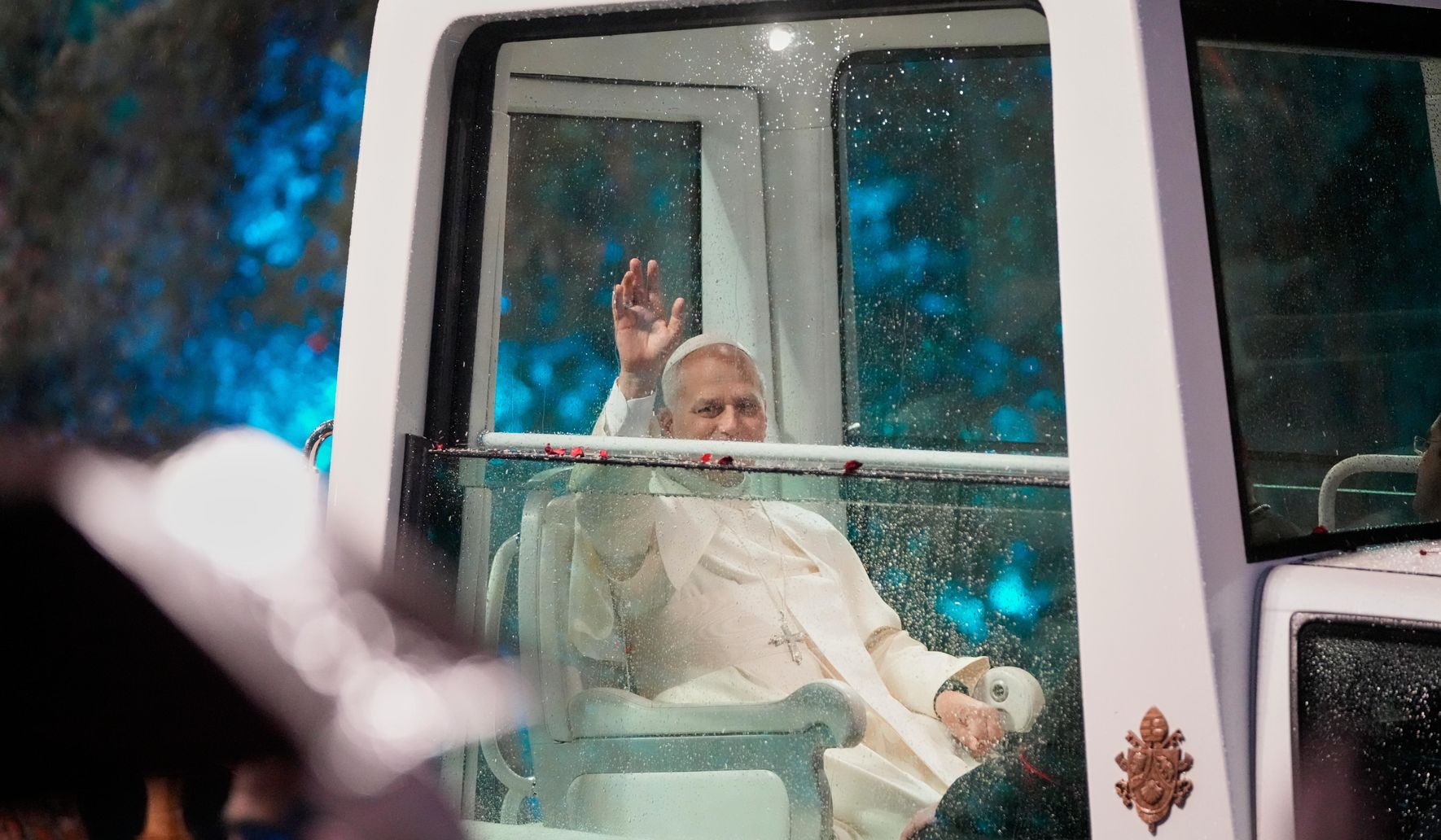
Pope Leo XIV challenged Lebanon’s political leaders on Sunday to be true peacemakers and put their differences aside, as he sought to give Lebanon’s long-suffering people a message of hope.
The pope’s call landed in a country weighed down by economic collapse, political paralysis, and a public that has little patience for empty promises. Religious and civic leaders alike watched as a high-profile appeal aimed to nudge Lebanon’s elites toward real change. For many Lebanese, the visit was less about ceremony and more about whether words would translate into action.
Lebanon’s crisis is not just a series of bad decisions; it is the result of a political system that rewards patronage and punishes accountability. Citizens face daily shortages, collapsing services, and a currency in free fall while those in power haggle over positions and influence. The pope’s plea for peacemakers hits a nerve because stability requires leaders who put country over faction.
From a Republican viewpoint, the core problem is familiar: unchecked power breeds corruption and dependency. Lebanon needs leaders who will upend entrenched interests, invite investment, and place responsibility for governance back with accountable institutions. Foreign aid without clear reform enables the same broken cycle that produced the current emergency.
At the same time, Lebanon’s strategic position means regional actors and armed groups hold sway over political outcomes. That reality makes internal reform harder but also more urgent, since national sovereignty cannot be rebuilt while militias answer to outside backers. The pope’s message implicitly recognized that peace demands a political culture willing to choose civility over coercion.
Practical change starts with transparency: balanced budgets, independent courts, and competitive markets that allow entrepreneurs and the diaspora to contribute rather than flee. Privatization and regulatory reform are politically sensitive, but without them recovery stalls and the next generation loses faith. When leaders promise stability, the ledger must show how they will deliver it.
Civic resilience will depend on rebuilding basic services first: electricity, safe water, and reliable healthcare. That is where ordinary people measure government competence. When citizens see tangible improvements, trust can begin to return and the space for more difficult structural reforms opens up.
The international community has a role, but assistance must be conditional and precise. Grants and loans tied to clear benchmarks and anti-corruption measures can help break the patronage model. That kind of disciplined support reflects conservative principles: stand with allies, but insist they reform to earn long-term backing.
Pope Leo XIV’s appeal for peacemakers is a moral prompt and a practical reminder that leadership matters. Lebanon’s recovery will be messy, politically costly, and require leaders willing to put national interest above factional gain. If that happens, the long-suffering people may finally see hope turn into results.

