

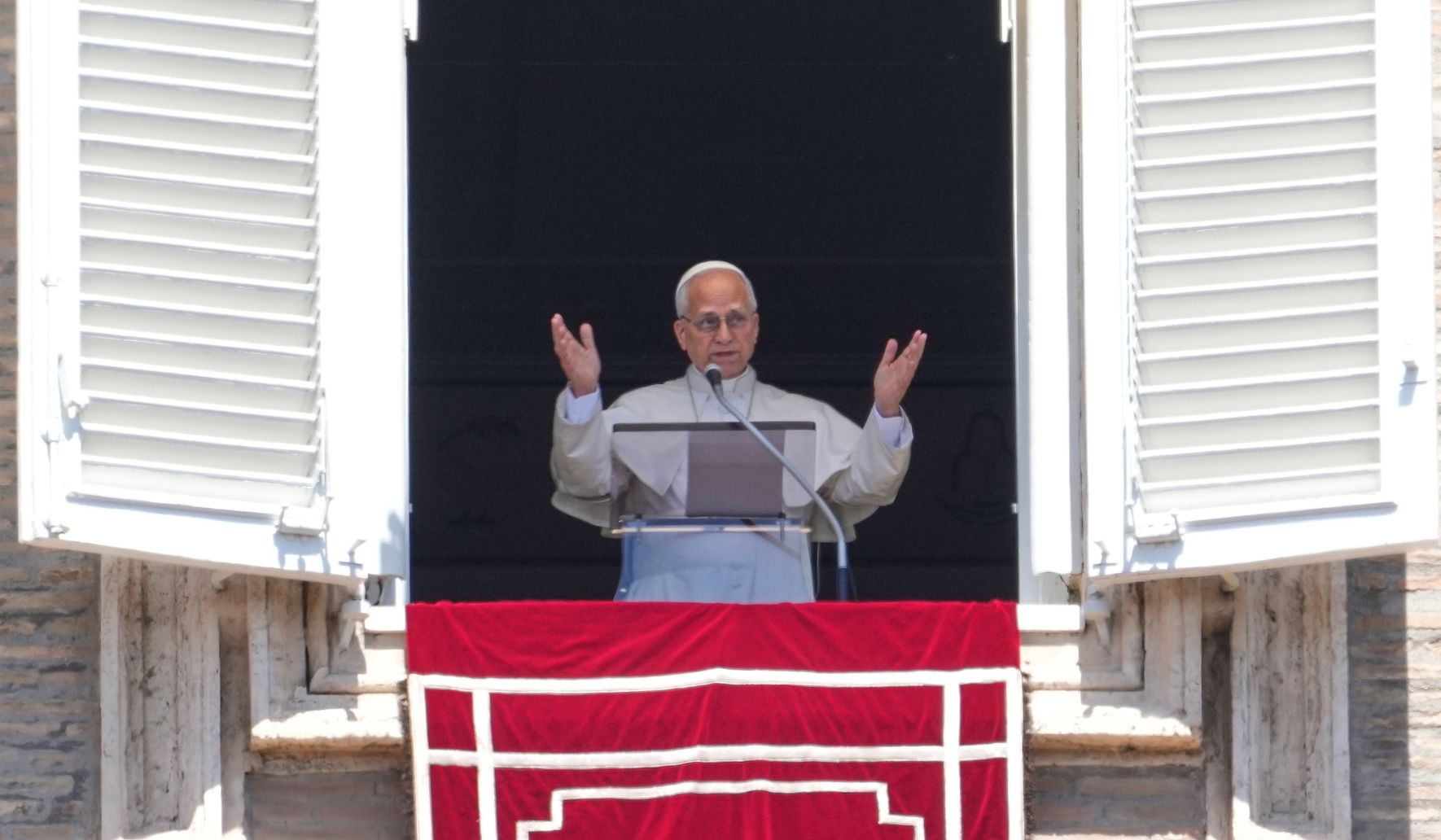
Pope Leo XIV condemned violations of media freedom and paid tribute to slain journalists during his weekly Sunday prayer, multiple news outlets report. The remarks underscored concern for journalists’ safety and the importance of a free press. He called attention to the human cost when information is silenced. These comments came during his regular public prayer gathering.
Pope Leo XIV’s public words were direct and solemn, delivered in the setting of his weekly Sunday prayer. He named the problem plainly: attacks on media freedom and the deadly consequences for reporters. That tone matters because it frames journalists as workers whose safety deserves protection, not just abstract defenders of liberty.
From a Republican perspective, defending a free press means protecting the individuals who gather and share information, while also insisting on transparency and accountability across institutions. The pope’s tribute to slain journalists highlights a shared American value: that violence and intimidation must have consequences. Protecting reporters is consistent with upholding the rule of law and civil order.
Religious leaders calling out attacks on media freedom adds moral weight to a legal and civic issue. When a global faith figure speaks, it reinforces the idea that violence against journalists threatens society’s ability to make informed choices. That moral framing can push governments to act, courts to pursue justice, and communities to demand safer conditions for reporters.
Practical protections for journalists come in several forms: safe working environments, fast and impartial investigations after attacks, and legal frameworks that make intimidation harder to get away with. The pope’s words can be a nudge to leaders who still tolerate impunity for attackers. For conservatives, backing strong protections does not mean endorsing partisan narratives; it means insisting on the same freedoms and safety for everyone doing the job of reporting.
Media freedom is not a license for lawlessness, and support for reporters should not mean shielding malfeasance. Republicans often argue that a free press must operate with responsibility and transparency, because credibility is earned. At the same time, critics must not use disagreement as an excuse to threaten reporters or suppress information through violence.
Committed, independent journalism helps hold public institutions accountable, and that accountability benefits every citizen regardless of political stripe. The pope’s tribute to slain journalists is a reminder that accountability depends on people willing to report truth under difficult conditions. Honoring their sacrifice means pushing for systems that prevent future harm.
Civic leaders, law enforcement, and policymakers have a shared obligation to respond when journalists are targeted. Investigations should be swift and impartial, with prosecutions that send a clear message that attacks have consequences. A society that tolerates violence against the press risks sliding toward intimidation and secrecy, which undermines democratic norms.
Faith-based moral appeals and civic action can work together. The pope’s call helps shift the conversation away from partisan attacks and toward basic protections for human life and liberty. Conservatives can embrace this framing without abandoning healthy skepticism of media bias; it’s possible to call for better journalism while also demanding that reporters be allowed to work without fear.
On the ground, media organizations can bolster safety by improving training, investing in secure communications, and cooperating with local authorities where appropriate. Governments can adopt and enforce laws that specifically address crimes against journalists. Public pressure matters too: when citizens and leaders make clear that violence will not be tolerated, protections are more likely to be enforced.
Pope Leo XIV’s message during his weekly Sunday prayer should prompt reflection among leaders and ordinary people alike about what it means to protect both truth and those who pursue it. The practical steps that follow—from stronger legal protections to community support—are essential if his tribute is to mean anything beyond words. Protecting the press is a test of a society’s commitment to openness and security.

