

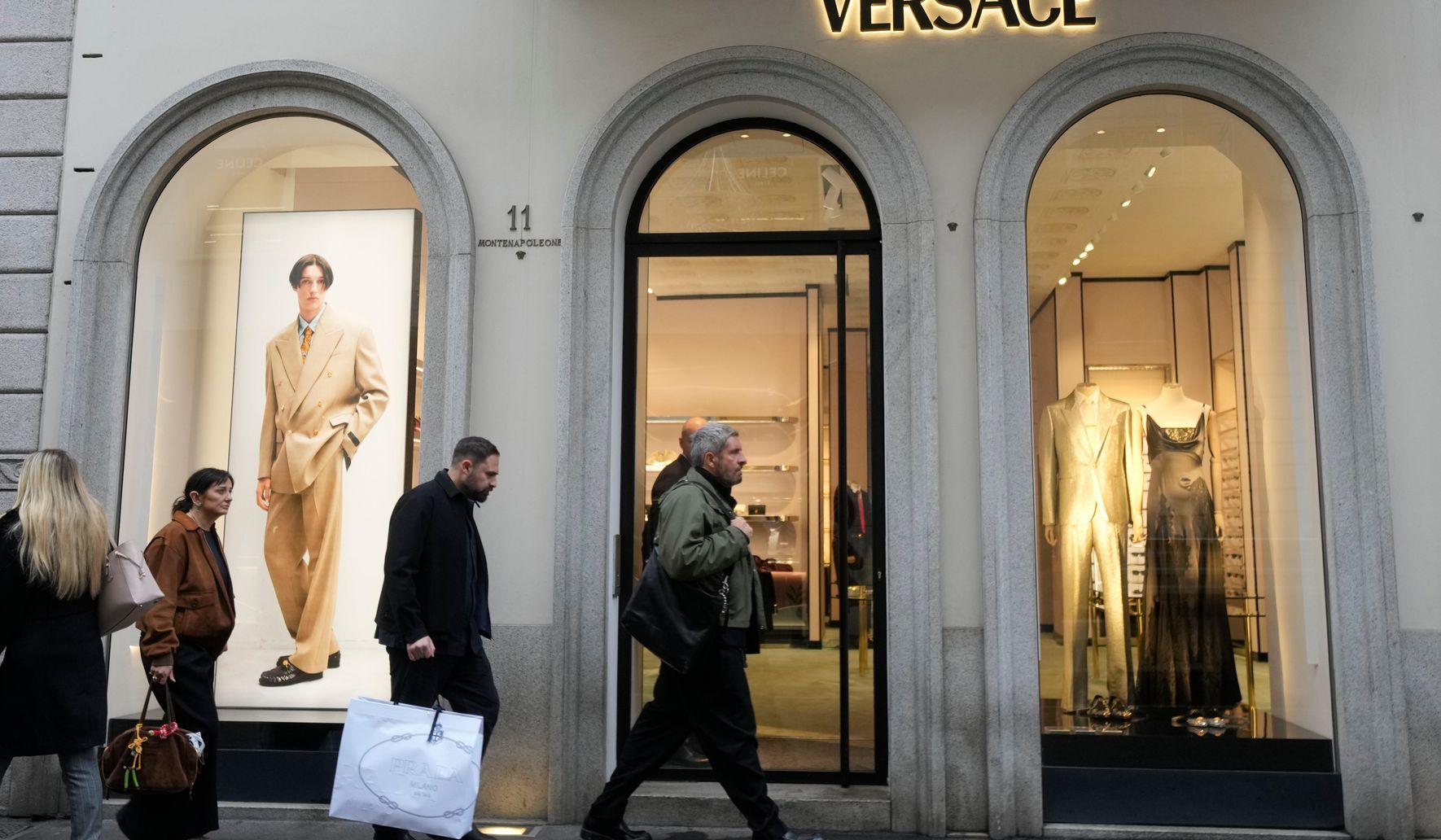
The Prada Group closed the purchase of Milan fashion rival Versace in a $1.375 billion cash deal that puts the fashion house known for its sexy silhouettes under the same roof as Prada’s “ug
The acquisition marks a major consolidation in Italian luxury, bringing two distinctive aesthetics into a single corporate structure. Prada Group has used cash to secure Versace, signaling confidence in the brand’s long-term value and global appeal. Industry watchers are already parsing what a unified approach to product, marketing and retail might look like.
Versace is famous for bold prints, form-fitting silhouettes and a certain theatrical glamour that has driven celebrity attention for decades. Prada, by contrast, built its name on clean lines, craftsmanship and a subtler runway language. Combining these identities creates both opportunity and a branding puzzle that will need careful handling.
Financially, $1.375 billion in cash is a statement about priorities and balance sheet strength. Paying in cash avoids diluting ownership but concentrates risk on the buyer’s capital position. For investors and competitors, the move reads as a bet that luxury demand will stay resilient even as consumer habits shift.
Operationally, the new ownership could pursue shared manufacturing, centralized distribution and coordinated wholesale strategies to capture efficiencies. Those kinds of back-end synergies are where much of the deal’s value is expected to come from. At the same time, keeping creative teams independent will be essential to preserve the distinct identities that customers buy into.
Brand positioning will be a central challenge: how to let Versace keep its bold, sexy DNA while aligning with a broader corporate strategy. Some shoppers will welcome a stronger Versace with deeper resources behind it, while others will worry about over-integration. The ideal path is selective cooperation—shared resources without homogenized design.
On the retail side, a combined network could open cross-selling opportunities and broaden geographic reach for both labels. Flagship stores, digital platforms and pop-up concepts present low-friction ways to test integrated offerings. Still, retail execution must respect each brand’s customer journey and the nuances of luxury service that define buyer loyalty.
Leadership choices will shape public perception and creative continuity after closing the deal. Maintaining clear lines of responsibility for design, merchandising and brand marketing will help both houses thrive. Observers will watch hires, reporting structures and product calendars for clues about the balance between consolidation and independence.
Regulatory and cultural considerations also come into play when two high-profile companies merge, especially in a sector that trades on heritage. Stakeholders from artisans to long-time customers expect respect for craftsmanship and origin. Protecting those elements while pursuing scale will be a practical test of the new group’s management discipline.
In short, the $1.375 billion cash acquisition positions Prada Group to expand its footprint and influence across the luxury market, but executing on that potential will require a careful mix of operational discipline and brand stewardship. The move reshapes the competitive field in Milan and beyond, and the next steps will determine whether the combination enhances both labels or creates new tensions to manage.

