

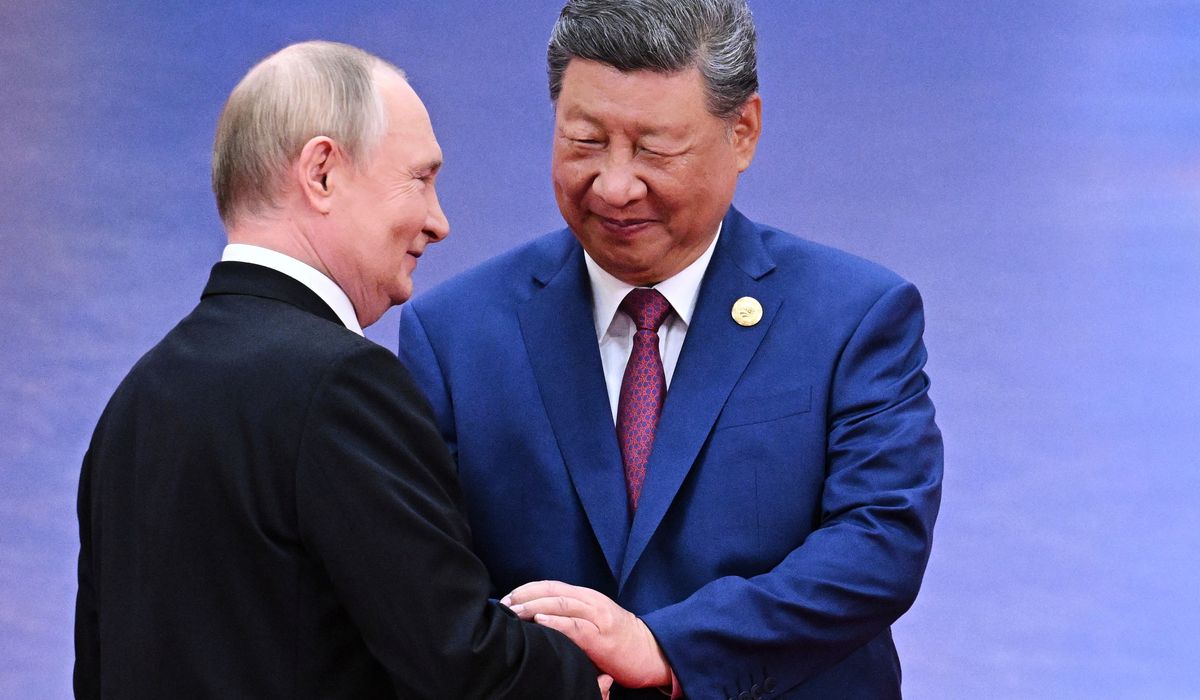
Russian President Vladimir Putin is traveling to China to meet Chinese leader Xi Jinping less than a week after U.S. President Trump wrapped up his own trip to Beijing. The timing is striking and will invite scrutiny from capitals around the world. This visit could reshape short-term diplomatic rhythms between Moscow, Beijing, and Washington.
Putin’s trip comes on the heels of President Trump’s visit to Beijing, and that sequence matters in practical and symbolic ways. For Republicans, timing is everything: a strong U.S. approach can set the terms of engagement, but quick follow-on meetings between other powers can try to shift momentum. Watching how Moscow and Beijing choose to frame outcomes will show whether they pursue independent agendas or signal deeper alignment.
Expectations around the agenda include trade, energy, and security cooperation, each with concrete consequences. China and Russia have been expanding economic ties in recent years, and a face-to-face between Xi and Putin offers an opportunity to lock in deals that bypass Western scrutiny. That makes it important for U.S. policymakers to track specifics rather than react only to optics.
On energy, Russia has leverage from vast resources and China has thirst for reliable supplies, so energy deals could be central. Any long-term arrangements, pipeline agreements, or currency arrangements aimed at avoiding the dollar would change commercial equations. From a conservative standpoint, the United States should promote energy independence at home to reduce leverage that Moscow and Beijing might exploit.
Security cooperation and military posture will be watched closely, especially in regions where interests collide with U.S. allies. Joint statements, joint exercises, or arms-sale confirmations would be signals of intent that demand a clear American response. Republicans typically favor strength and predictability, so any sign of a deeper security partnership between Russia and China should prompt calibrated deterrence and clear messaging to partners in Europe and the Indo-Pacific.
Diplomatic theater also has a domestic political dimension, and the close timing with President Trump’s trip invites comparison about influence and outcomes. Republicans generally argue that strong bilateral engagements by the U.S. secure American interests, but they also know that America’s influence must be backed by capabilities. Maintaining robust alliances and credible economic options for partners is part of ensuring that rivals cannot easily lock nations into unfavorable alignments.
Information and messaging will be central to how this visit is perceived around the world; both Moscow and Beijing manage public narratives tightly. Official communiques and staged photo-ops can overstate cooperation while actual contracts tell a different story, so careful analysis of the factual record will matter more than rhetoric. That means parsing deal terms, implementation timelines, and any concrete shifts in trade settlement practices or military logistics.
For Washington, the practical response should combine clear-eyed diplomacy with competitive economic and security measures that reinforce American advantages. That can mean targeted sanctions where warranted, expanded trade and investment offers to partners, and visible military cooperation with allies who face pressure from Chinese or Russian initiatives. In short, the U.S. should show it can offer better options and consequences than those presented by rival partnerships.
Ultimately, a Putin visit to Xi less than a week after President Trump’s trip adds a layer of urgency to U.S. strategy debates, and it should spur focused policy work rather than idle commentary. Observers will watch the agreements signed and how they are implemented, and the administration’s response will shape perceptions for months. Republicans will push for strong American posture, clear messaging, and practical steps that protect national interests without needless escalation.

