

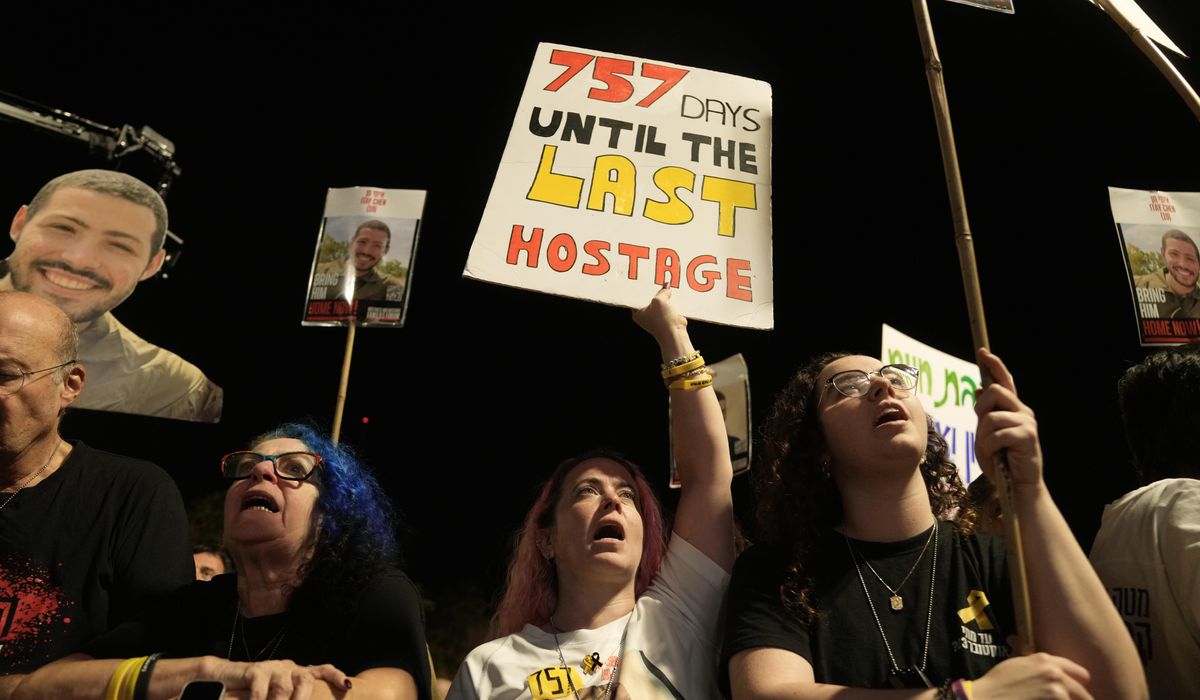
Israel has confirmed the Red Cross received human remains connected to hostages taken in Gaza, and those remains are due to be transferred to Israel’s military for identification. This development comes amid ongoing military operations and intense political debate about how best to respond. The situation touches on national security, humanitarian rules, and the grief of families who demand answers and accountability.
“Israel said the Red Cross has received the remains of three hostages in Gaza and they will be handed over to Israel’s military.” Families and official channels now face the grim work of identification and the legal processes that follow. This moment underscores the clash between humanitarian procedures and wartime realities. It is a reminder that even in conflict, protocols for handling remains must be respected.
Relatives of the missing have been vocal and devastated, pressing officials for clarity and closure. The emotional toll is enormous, and families rightly expect timely and transparent information from their government. In a free country, leaders must balance speed with care in returning loved ones. That balance matters politically and morally.
Forensic teams will take the lead once the military receives the remains, using DNA and other scientific methods to confirm identities. Proper identification allows for dignified burials and legal closure for next of kin. The process also provides evidence for any future investigations into how hostages were taken and treated. Accurate records matter for both justice and history.
On the diplomatic front, the role of the International Committee of the Red Cross is central and sensitive. Humanitarian groups operate under strict neutrality to move remains and aid in conflict zones. Their involvement helps bridge the operational gap between enemy lines and keeps a measure of law in chaotic settings. Respecting those roles preserves limited channels for communication during war.
Politically, the incident sharpens arguments about how to handle threats from militant groups across the border. From a Republican viewpoint, the key lesson is that weakness invites more violence and loss. A firm, strategic response is necessary to deter further attacks and to protect citizens. Policymakers must prioritize military readiness and clear rules of engagement.
Intelligence and military leaders will use every tool to learn what happened and who is responsible for the hostage situation. That investigation must be thorough and unfiltered by political calculations that could compromise security. When militants commit atrocities, there should be consequences calibrated to degrade their capacity to strike again. Precision and resolve are both required.
At the same time, protecting civilians and humanitarian workers remains an obligation even amid retaliation. Minimizing collateral damage preserves moral high ground and prevents further escalation that harms innocents. Ensuring safe corridors for aid, and honoring the protections for medical and relief personnel, is strategically smart and legally necessary. Conducting operations within those limits strengthens legitimacy on the world stage.
Domestic politics will inevitably weigh in as families and voters assess the government response. Lawmakers must face hard choices, but they should do so guided by principle: uphold national defense, secure borders, and back allies who share our values. Political posturing that undermines operational effectiveness should be avoided. Voters will remember which leaders stood for firm, smart security.
International partners and allies will watch how this handover and the subsequent investigations unfold. Cooperative intelligence sharing can help trace networks and locations tied to the hostage takers. A united front makes it harder for militants to find safe havens or international support. Strategic alliances remain one of the best tools for long-term stability in the region.
This episode also raises long-term policy questions about deterrence, border security, and hostage prevention. Investing in intelligence, tactical assets, and diplomatic channels reduces the risk of future kidnappings and mass-casualty incidents. Policymakers should review lessons learned and close gaps exposed by the crisis. The goal must be to prevent repetition and to bring perpetrators to justice without sacrificing civil liberties.
Finally, officials must communicate clearly and often with the public while maintaining necessary operational security. Families deserve honest updates, and citizens deserve a coherent strategy that protects the nation. The balance between transparency and security will define public trust in the weeks ahead. What follows will test leadership and resolve on multiple fronts.

