

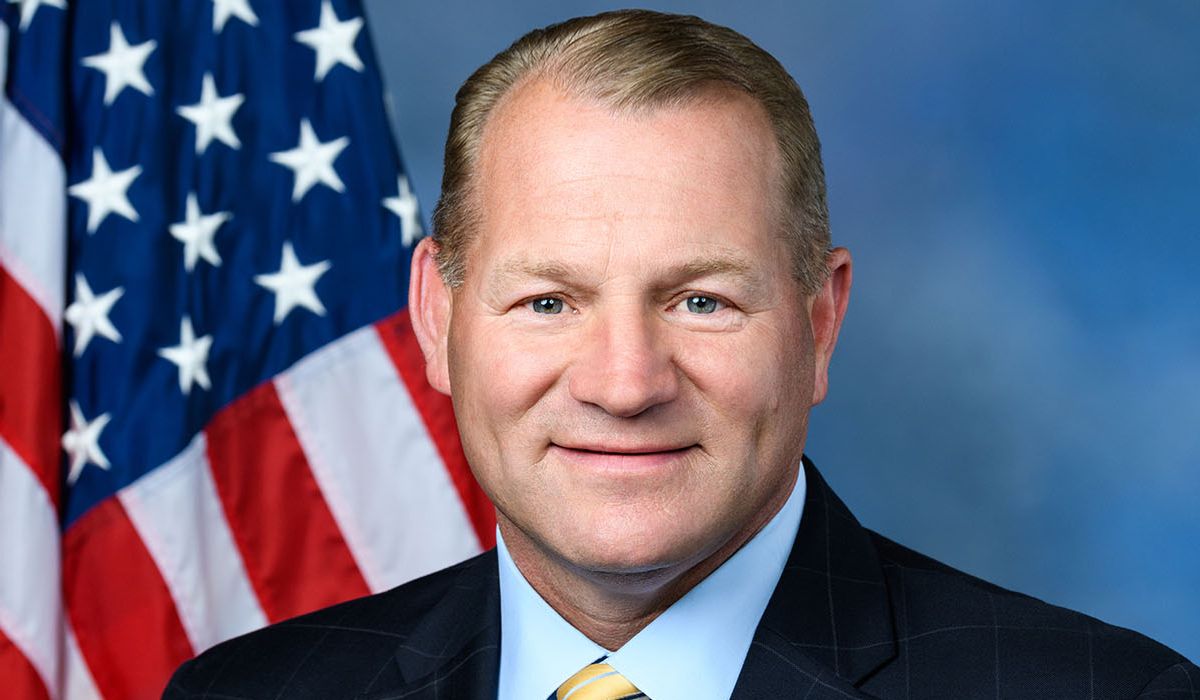
Rep. Troy Nehls announced on Saturday that he will retire from Congress, joining a growing list of lawmakers stepping down and setting the stage for an open-seat scramble that will matter to GOP voters and the balance in Washington.
Republicans are watching the news with a mix of realism and opportunity. Open seats are where parties remake themselves, and one departure can shift campaign calendars, donor attention, and strategic priorities in a hurry. For local activists and national strategists alike, a single retirement means a new contest to pick a candidate who can hold the lane and push conservative priorities forward.
This kind of announcement forces quick choices. State and county parties will need to decide how to rally behind a nominee, while potential candidates evaluate whether they have the base, resources, and temperament to run a tough race. The practical side of politics kicks in: fundraising, messaging, and vetting accelerate as everyone gauges appetite for another primary or a general election fight.
From a Republican perspective, retirements are also an opportunity to sharpen the party’s message. They give activists an opening to elevate fresh voices that more closely match current priorities, whether those are focusing on border security, protecting constitutional rights, or pushing back against federal overreach. A contested primary can be messy, but it also produces candidates who have tested their ideas in public and built campaign infrastructures ready to defend the seat.
The timing matters because it influences who files, who folds, and how much time candidates have to organize. When a member steps away late in a cycle, it compresses the calendar and often advantages well-funded or well-known entrants. If the announcement comes earlier, a broader field can emerge and that can invite spirited debates over policy direction and local concerns without forcing rushed decisions.
For voters in the affected district, retirements raise immediate questions about continuity. Constituents want to know who will carry their concerns to Washington and who will maintain constituent services that matter day to day. Republican voters in particular will be looking for someone who articulates conservative principles plainly and fights for them effectively on Capitol Hill, not someone who drifts toward the center.
Party operatives and grassroots organizers will be watching endorsements and donor moves closely. Early endorsements from influential figures can tilt a contest, and fundraising momentum often follows perceived viability more than policy detail. That dynamic means potential candidates must show they can unite the party base, connect with local leaders, and persuade donors that they can win in the general election.
There’s also a national angle. A flip from an incumbent seat or a bitter primary could affect the broader House map, so both parties will jump into any open contest that looks competitive. For Republicans, protecting gains and advancing a clear platform remain key, and open seats become a test of whether the party can translate its messaging into votes on Election Day.
So what happens next is predictable in process if not in outcome. Expect a fast-moving sequence of campaign announcements, grassroots organizing, and fundraising pushes, all aimed at staking claim to the GOP lane and presenting a candidate ready to carry conservative priorities forward. The coming weeks will reveal who steps up, who consolidates support, and how party leaders choose to allocate attention and resources.

