

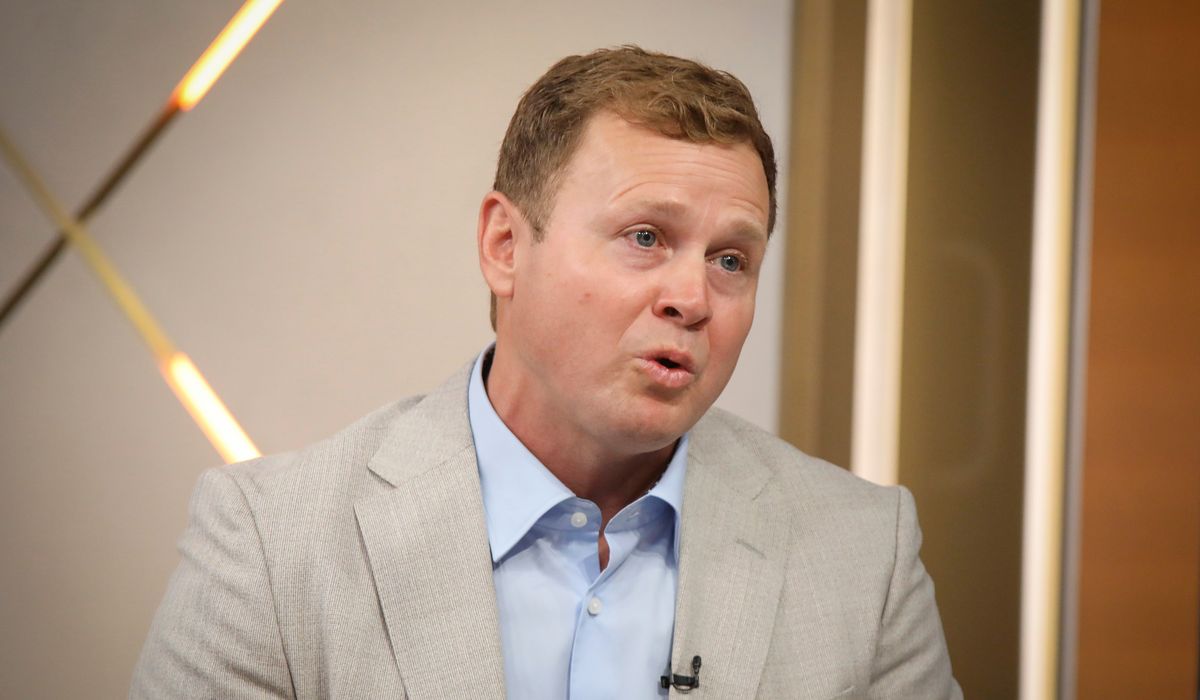
Spencer Pratt has jumped into a high-profile California contest and turned heads with an outsider-style campaign that aims to force a two-person showdown with Los Angeles Mayor Karen Bass in the state’s jungle primary.
Republican Spencer Pratt is trying to ride the political change wave into a two-person runoff against Democratic Los Angeles Mayor Karen Bass in California’s jungle primary Tuesday. His bid is built on a simple, blunt message: shake up the status quo and push back on policies he says have failed Angelenos. That pitch leans on voter frustration with city leadership and a fast-moving media approach that keeps him in the headlines.
Pratt’s campaign leans into energy rather than traditional ground game lines, treating visibility as its strongest asset. He frames himself as a corrective to what he calls a leadership vacuum at City Hall, pointing to quality-of-life concerns that resonate with commuters and neighborhood families. Supporters say that kind of plain talk connects in a way polished political language does not.
From a Republican perspective, the contrast with Karen Bass is central to the argument for change. Pratt’s team emphasizes public safety, economic opportunity, and accountability as priorities that city officials have ignored or mishandled. Voters hearing those themes are told they can deliver a clear choice in the jungle primary by voting for someone who promises to challenge the current direction.
Campaign strategy in a jungle primary is straightforward: be one of the top two vote-getters and you move on to a runoff regardless of party. That format rewards name recognition and media momentum, which plays to Pratt’s strengths as a high-profile challenger. It also forces a close look at how traditional party infrastructure either helps or hurts candidates when the ballot shapes up unpredictably.
Financial resources and endorsements matter, but so do narrative and timing in a race like this. Pratt uses quick-hit messaging and events that generate coverage, counting on momentum to convert curiosity into votes. The campaign’s playbook treats debate performance and social presence as leverage to outpace better-funded opponents.
Critics of Pratt call him an attention-seeker whose celebrity roots overshadow policy depth, and the campaign does not ignore that line of attack. In response, Pratt leans into concrete promises and lists of immediate changes he would pursue to show he is more than a personality. That combination aims to blunt criticism and turn it into proof of his outsider credentials.
Voters care about day-to-day realities, and the campaign foregrounds issues like public safety and downtown recovery as the test of any mayoral record. Pratt’s messaging ties those issues to measurable outcomes and insists voters deserve leaders who deliver results. For many Republicans and swing voters, that appeals because it looks for practical fixes rather than political talking points.
Running against an established Democratic mayor means accepting broad policy disagreements early and often. Pratt’s campaign highlights differences on policing, housing enforcement, and fiscal priorities to stake out clear alternatives. Those contrasts are meant to make the choice in a runoff uncomplicated for voters who want change.
Community groups and local leaders will play a role in shaping the narrative through the final days of the primary, either by endorsing candidates or by amplifying concerns that cut across party lines. Pratt seeks to attract endorsements from figures who can credibly vouch for his approach to neighborhood issues and public safety. That support matters when turnout is uneven and every block-to-block effort counts.
Turnout dynamics in Los Angeles can be unpredictable, and the jungle primary format increases the premium on mobilizing a motivated base while also reaching undecided voters. Pratt’s campaign aims to pair high-profile media moments with targeted outreach in neighborhoods where dissatisfaction is highest. Success depends on turning attention into ballots on election day.
Polling in local contests can shift rapidly, and the final stretch often produces surprises when late undecided voters break one way or another. Pratt’s team expects tight margins and plans to use every available avenue to persuade voters in the last week. The goal is to be unmistakably one of the two names moving to a runoff, setting up a clearer choice for the city’s next leadership.
Whatever happens on Tuesday, the race highlights how the jungle primary changes the math for challengers and incumbents alike. For Republican voters, Pratt represents a brand of campaigning that prizes boldness and straightforward promises over cautious politicking. The outcome will show whether that approach can translate into the sort of focused support needed to reach a runoff and shape the next phase of the fight for Los Angeles leadership.

