

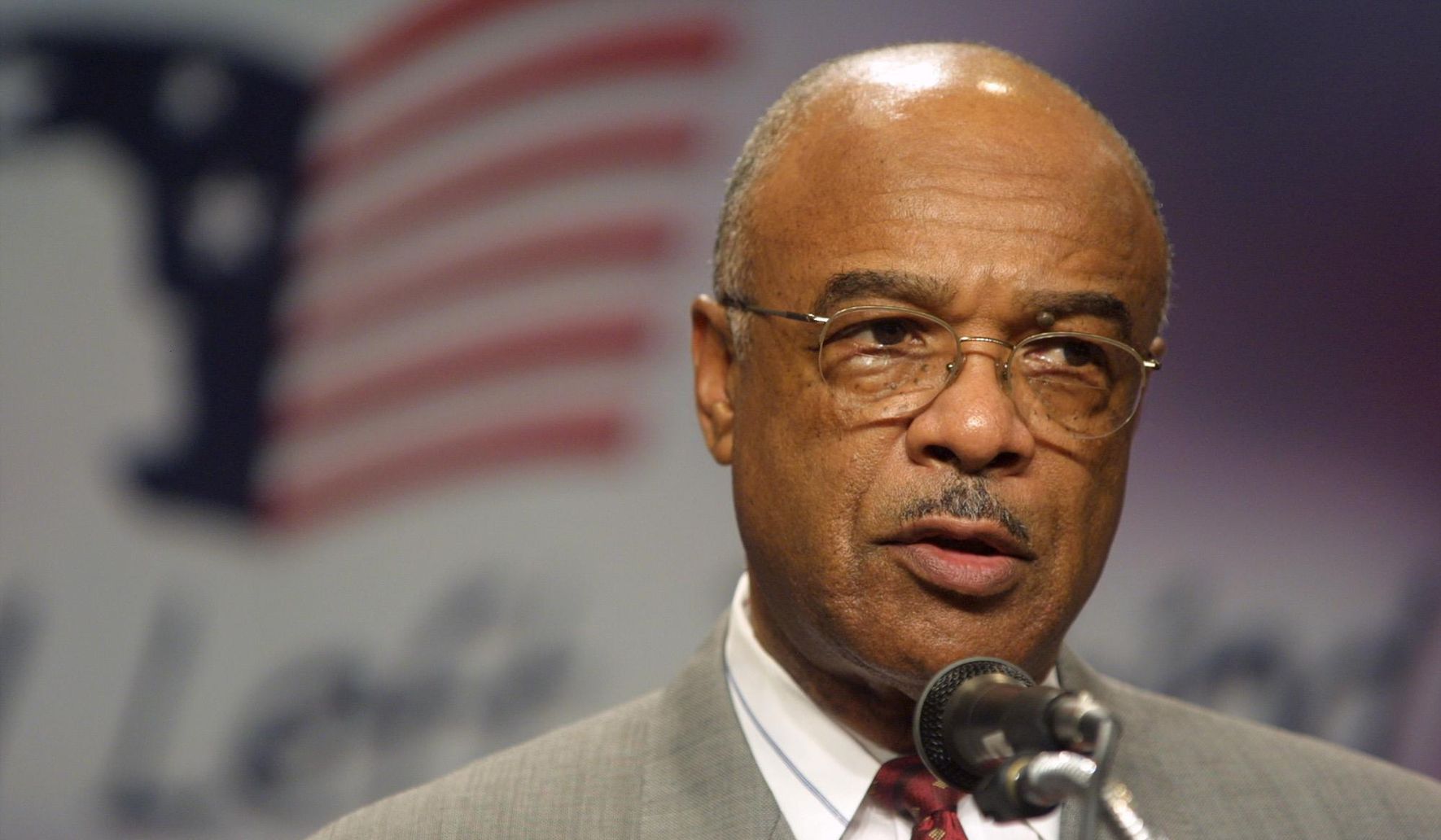
Rod Paige, an educator, coach and administrator who rolled out the nation’s landmark “No Child Left Behind” policy as the first African American to serve as U.S. education secretary, died recently.
Rod Paige built a career in classrooms, on the sidelines and inside district offices before moving to the national stage, and his path was rooted in hands-on education work rather than Washington careerism. He brought that practical background to a high-pressure role, translating classroom experience into federal policy. That blend of educator sensibility and executive responsibility shaped how he approached reform.
At the U.S. Department of Education, Paige oversaw the rollout of “No Child Left Behind,” a sweeping effort aimed at accountability and measurable student outcomes. The policy pushed standardized testing and reporting at a scale that most schools had not seen before, demanding clearer results from districts and states. For supporters, it put student progress front and center and held systems answerable for performance.
Paige’s tenure stood out because he was the first African American to hold the education secretary post, a milestone that carried symbolic weight for many communities. That fact underscored the representational shifts possible in national leadership, while also offering a model of someone who rose through public education ranks. His presence in the role added a personal dimension to debates about equity and opportunity.
Republican perspectives on Paige’s legacy tend to emphasize accountability, local control complemented by clear federal standards, and the idea that education systems improve when outcomes matter. From that angle, “No Child Left Behind” was an attempt to set a national floor for expectations while leaving implementation largely to states and districts. Supporters argue that asking tough questions about student performance was overdue and necessary to close gaps.
Critics of the policy pointed to unintended consequences, including teaching to the test and the strain of compliance on school budgets, and those critiques shaped later reforms. Yet even among opponents, many acknowledged that the policy forced a conversation about results that had been missing. The debate over balance — accountability versus flexibility — continued long after Paige left office.
Before his time in Washington, Paige was known for leadership in urban schools and for a practical approach to administration that valued measurable improvement. He brought an operator’s mindset to policy discussions, focusing on implementation details that impact teachers and students day to day. That focus sometimes clashed with advocates who preferred broader, less prescriptive federal guidance.
Throughout his career, Paige mixed a coach’s directness with an administrator’s attention to systems, and that combination informed both critics’ and supporters’ views of his effectiveness. He was decisive in pushing reforms and insisted on metrics to judge progress. Those qualities made him a polarizing figure in education circles but also a clear leader who did not shy away from controversy.
Paige’s impact on the national conversation about schooling persisted beyond his term, influencing how subsequent administrations and state leaders thought about accountability and measurement. The policy he helped implement reshaped data practices in schools and led to a sustained focus on tracking achievement across different student groups. Even those who wanted policy changes had to reckon with the infrastructure and expectations that policy created.
In the end, assessments of Paige’s legacy often come down to a choice between priorities: the moral urgency of improving outcomes for every child and the risks that heavy-handed systems create perverse incentives. His supporters celebrated the emphasis on results and the willingness to demand better from institutions charged with educating young people. Detractors highlighted the trade-offs and how policy mechanics affect classroom practice.
Rod Paige’s public service career will be remembered for bringing a practitioner’s voice to federal policymaking and for launching a national experiment in accountability that reshaped education debate. He left a mark on how policymakers, educators and citizens talk about standards, measurement and the responsibilities of public schools. That legacy will continue to be examined as education leaders wrestle with the same basic questions about fairness and results.

