

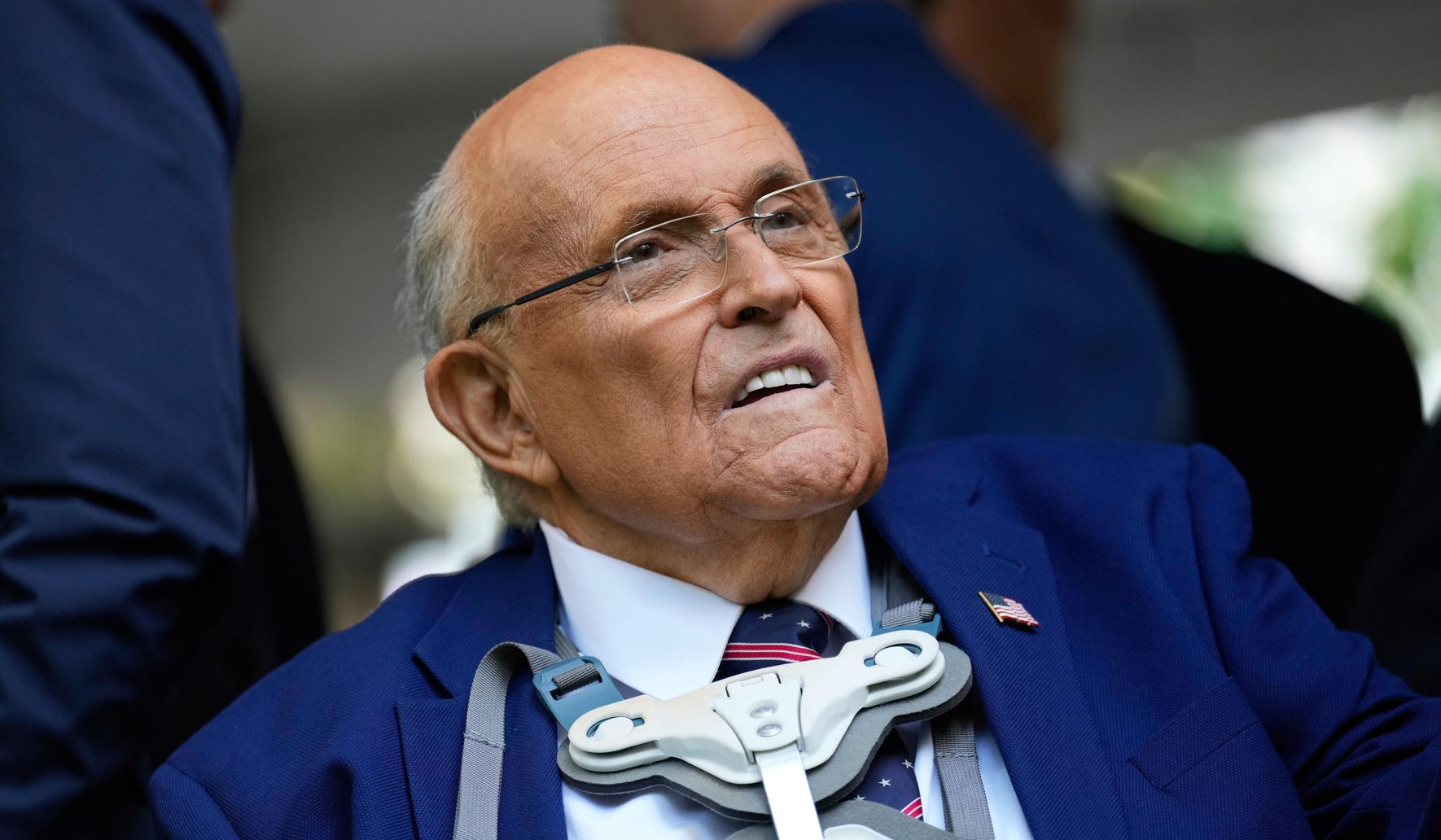
Former New York Mayor Rudy Giuliani is hospitalized in critical but stable condition, his spokesman Ted Goodman said.
Former New York Mayor Rudy Giuliani is hospitalized in critical but stable condition, his spokesman Ted Goodman said. The announcement came with few details, leaving supporters and observers to wait for official updates from medical staff and the family. This development has landed amid ongoing public attention to his legal and political past.
Giuliani rose to national prominence as mayor of New York and later as a close ally and lawyer to President Donald Trump. His tenure in public office and subsequent role in national politics made him a polarizing figure, admired by many on the right and criticized by opponents. That mix of intense scrutiny and loyal backing shapes how Republicans and conservatives are reacting to this news.
Reports of his hospitalization prompted immediate expressions of concern from Republican circles, who emphasized respect and privacy while noting his record of leadership. Conservative commentators have pointed to Giuliani’s past crisis management in New York as evidence of his resilience and service. At the same time, opponents have followed the situation carefully given the legal questions that have trailed him.
Health updates in politically charged cases are often treated with suspicion, but the focus now is on a single human reality: a man in a serious medical state. Republicans urging calm are framing the moment as one for compassion rather than partisan point-scoring. That tone reflects a wider conservative preference for honoring public servants during personal emergencies.
When a public figure is described as both critical and stable, it signals a medical seriousness that nevertheless leaves room for treatment and monitoring. Critical condition typically means vital signs are unstable or the patient faces significant threats to health, while stable means no immediate decline is detected. Those nuances matter to families and to anyone following the news, and they explain why statements from spokespeople are often concise and deliberately cautious.
Giuliani’s spokesman, Ted Goodman, is the named source for the update, which underlines the role of trusted aides in managing public information in moments like this. In high-profile cases, spokespeople balance the public’s demand for facts with the family’s need for discretion. Republicans frequently call for measured releases of information so facts, not speculation, guide public reaction.
The timing of the hospitalization intersects with ongoing legal and civic conversations that have involved Giuliani for years. Any pause in his personal activity has ripple effects through legal teams and political networks that have depended on his voice and presence. Republicans watching this will be alert to how those networks adjust and whether statements from allies follow in short order.
Conservative leaders and grassroots supporters are currently emphasizing prayers, privacy, and a pause on partisan commentary until more medical facts are released. That consistent Republican posture reflects both respect for public service and a tactical awareness that needless politicking in a health crisis can backfire. The party’s public figures are expected to keep statements tight and defer to the family and medical professionals.
As developments emerge, the focus for many will remain practical: updates from physicians, verified statements from representatives, and a timeline for next steps. For now, Republicans who have defended or worked with Giuliani are watching closely and preparing to respond based on confirmed information. The situation remains fluid and will likely shape conversations among his supporters and critics alike in the days ahead.

