

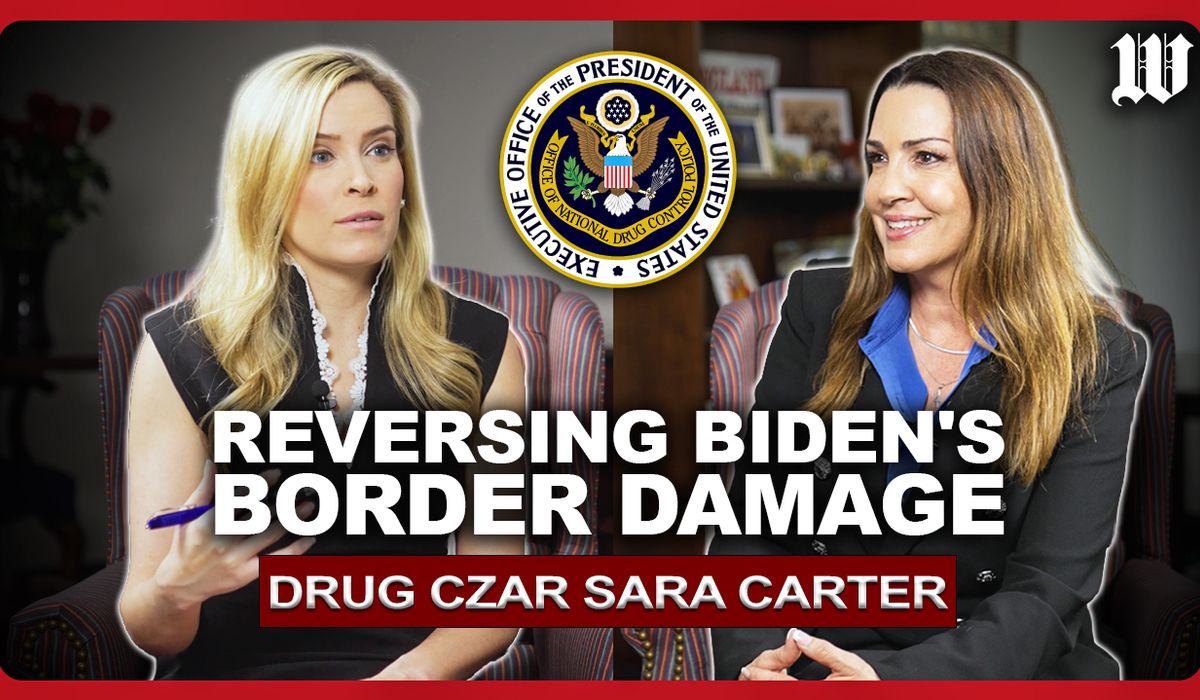
Director Sara Carter sits down with Alex Swoyer to discuss how the Trump administration is dismantling the cartels, cutting off the drug supply, and putting faith and recovery back at the center of na
Sara Carter and Alex Swoyer take a hard look at the national fight against drug cartels and the policies they say are turning the tide. The conversation centers on breaking criminal networks, choking off the flow of illegal narcotics, and reintroducing faith-based recovery into the policy mix. It’s a practical, results-focused view that stresses enforcement and community healing over empty rhetoric.
The discussion emphasizes a Republican approach: secure the border and follow the money. That means prioritizing intelligence-driven operations and hard-hitting law enforcement to dismantle cartel command structures. The point is simple — you can’t fix the addiction crisis if the drugs keep pouring in.
Targeting cartel leadership and networks is presented as the most effective lever for long-term change. By focusing on the logistics and finances that power these criminal enterprises, law enforcement can create lasting disruption. It’s about making the business of narcotics trafficking riskier and less profitable for those who run it.
Cutting supply gets a lot of attention for a reason: it directly reduces harm in communities. Stopping the flow of fentanyl and other illicit drugs at their sources and along transit routes minimizes exposure and overdose risk. Supply-side pressure complements prevention and treatment, rather than replacing them.
Coordination is a recurring theme in the interview, with calls for federal, state, and local agencies to work together more efficiently. Sharing intelligence, synchronizing operations, and closing legal gaps all increase pressure on cartels. Partnerships with allied countries and regional law enforcement are framed as vital, pragmatic steps in that effort.
Prosecutorial follow-through matters as much as seizures and arrests. The conversation underscores the importance of bringing traffickers to court and ensuring sentences reflect the harm their crimes cause. When enforcement is paired with a justice system that holds offenders accountable, deterrence becomes a realistic goal.
Sara Carter highlights putting faith and recovery back at the center of responses to addiction, arguing those elements restore dignity and purpose. Faith-based programs and community organizations are described as natural partners for treatment, offering long-term support that clinical settings may not provide. The idea is to rebuild people’s lives with practical services and spiritual resources together.
Access to treatment receives attention as part of a comprehensive strategy, but the interview insists on quality and continuity, not just availability. Recovery housing, job training, and counseling are discussed as essential wraparound services. For those in recovery, stable environments and community ties are often the difference between relapse and lasting sobriety.
The political frame here is unapologetically conservative: secure borders, enforce the law, and restore moral institutions. That combination is pitched as both humane and effective, protecting citizens while offering pathways out of addiction. It rejects simplistic answers in favor of layered policies that address supply, demand, and rehabilitation simultaneously.
Measuring success is treated as a practical necessity rather than a political talking point. Tracking seizures, prosecutions, and treatment retention rates provides clear indicators of progress. Transparent metrics help refine tactics and keep agencies focused on outcomes that actually reduce harm.
There’s also a persistent emphasis on community resilience and local leadership in the interview. Parents, pastors, and neighborhood groups are portrayed as frontline responders who can spot problems early and help steer people toward recovery. Strengthening those local networks is positioned as a cost-effective and proven component of national strategy.
The conversation closes on the recognition that this fight requires sustained effort across multiple fronts. Enforcement, diplomacy, and community-based recovery programs must operate together if the nation is going to blunt the cartels’ reach. The tone is clear: a serious, coordinated approach that mixes toughness with care stands the best chance of delivering durable results.

