

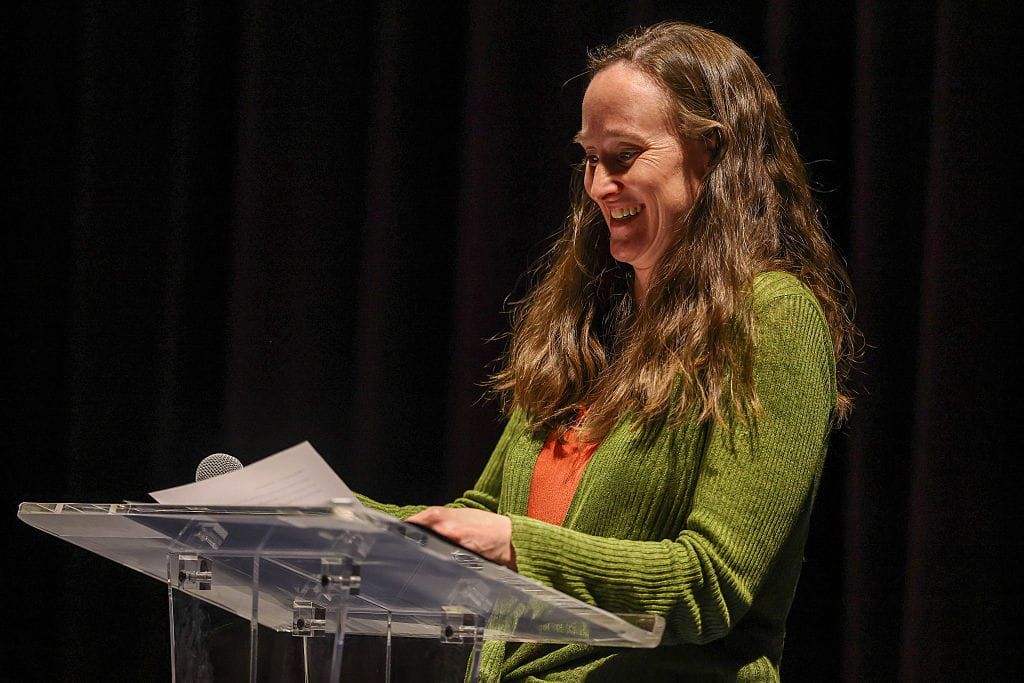
Seattle’s Democratic Socialist mayor wants a 0.3% sales tax hike to fund more bus service and free transit passes, and the proposal is stirring resistance from locals and at least one fellow Democrat who warns the city can’t tax its way out of a budget and business exodus.
Seattle is staring at a $175 million budget shortfall while roughly 35% of its buildings sit empty, and Mayor Katie Wilson’s answer is another tax increase. The plan would add a 0.3% sales tax aimed at funding expanded bus service for ten years and providing free transit passes to low-income households. That pitch lands in a city already feeling the squeeze from rising costs and businesses moving or shifting employees to nearby suburbs.
Wilson frames the proposal as a targeted package to protect household wallets and boost transit usage. She calls it a “package that respects people’s hard-earned dollars and brings 100,000 more bus trips to Seattle every year.” If voters approve the measure in November, “it will fund 22,000 free transit passes for low-income households.”
Not everyone in city leadership agrees that raising taxes is the right move now. Councilman Robert E. Kettle, a Democrat, wrote to the mayor urging fiscal caution and questioning whether layering new levies is sustainable. He warned that relying on repeated tax increases and property levies could limit future options and further strain the local economy.
“To be clear, I support progressive taxes, generally. It is the layering of progressive tax on top of progressive tax, again and again, that has me and many others worried. This also is ‘inherently unsustainable.’ Important to note, continuing to use property levies to fund critical initiatives may not be an available option for both legal and political reasons in the future.”
Kettle also pointed to real economic consequences that are already playing out across the region. He noted that recent taxes aimed at big Seattle employers have prompted companies to ask employees to work in Bellevue to avoid the growing burden. That shift keeps jobs and economic activity out of the city and makes it harder for Seattle to rebuild its tax base.
“I draw attention to these points because we do not live on an island in Seattle. For every action, there is a reaction, and we see this in tax policy as well. Recent taxes aimed at sizeable Seattle businesses are now experiencing a backlash. Companies are asking their employees to work in Bellevue to avoid the growing tax burden in Seattle. I know employees who wish to work in Seattle but cannot. Underlining this point is that while tech jobs are growing across King County, they have stalled in the region’s marquee city.”
That dynamic is part of a broader debate over whether municipal governments can expand services without driving away employers and residents. Critics of big spending warn that higher taxes often mean fewer businesses, less investment, and an eroding revenue base that makes future promises harder to keep. Supporters say targeted transit investments can help low-income residents and reduce congestion, but the political trade-offs are clear.
The argument isn’t unique to Seattle; similar proposals have popped up in New York City debates over public services and taxation. Proposals there include higher corporate and income taxes, city-run grocery stores, expanded housing, and free transit, with the free-bus idea alone estimated at roughly $500–$700 million per year. Those plans come with equally large price tags and contentious choices about who pays and who benefits.
One high-profile estimate put a city agenda at about $10 billion in annual costs, with roughly $9 billion in proposed new taxes to cover it. Even state-level Democrats pushed back in some cases, underlining how politically difficult it is to reconcile ambitious promises with sustainable revenue. The tension is simple: promising more without a stable, growing tax base invites hard fiscal choices.
When cities face shrinking populations and businesses that can relocate, policymakers must weigh immediate benefits against long-term viability. Approving new levies today can feel like a quick fix, but it also risks accelerating the very trends—relocation, vacancy, and budget pressure—it aims to cure. Voters in Seattle will decide whether to endorse that trade-off this November, and the outcome will matter for the city’s future fiscal health.


1 Comment
I wonder if she is able to just demand an increase in the allowance this spoiled know nothing woman still receiving from her parents.