

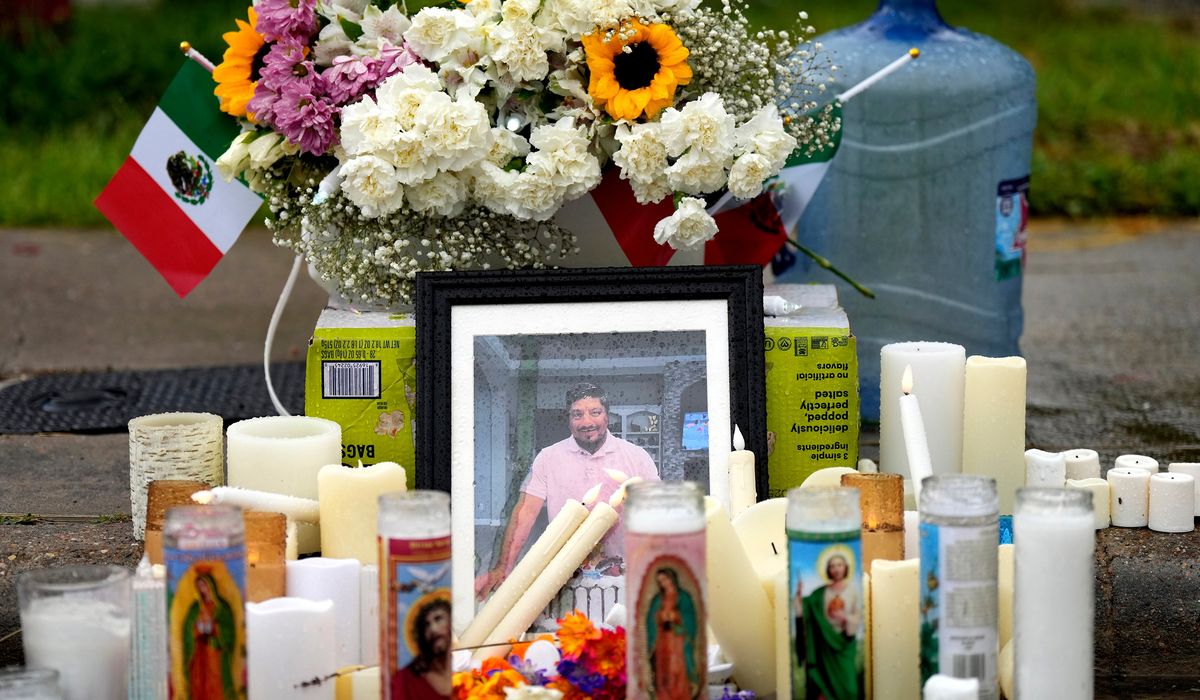
A second witness tied to a fatal shooting in Houston involving a federal immigration agent has been ordered released after more than a month in custody, a development that raises questions about detention practices, witness treatment, and the balance between enforcement and due process.
The case centers on a fatal shooting in Houston in which a federal immigration agent was involved, and a second witness who had been held for over a month has now been ordered released from custody, a detail that adds pressure to an already tense, high-profile situation. Local and federal authorities have moved through procedural steps that left the witness detained while the matter underwent review, and that extended detention has generated criticism from several quarters. That sequence of events highlights how quickly a law enforcement operation can shift into a legal and political flashpoint when custody decisions are prolonged.
From a law-and-order perspective, Republicans can support robust immigration enforcement while still insisting that the justice system work fairly and transparently, and prolonged detention of a witness without clear public justification undermines confidence in those dual commitments. A witness held for more than a month risks losing access to counsel, family contact, and the ability to prepare a defense or testimony, and such consequences are serious regardless of the case context. Responsible policy should ensure that witnesses are treated according to clear standards, with speedy hearings and documented reasons for continued detention whenever possible.
At the same time, enforcing the law sometimes requires difficult, dangerous decisions by federal agents who confront violent situations, and those agents deserve thorough investigations that neither automatically exonerate nor unfairly condemn them before facts are established. Accountability matters, but so does protecting personnel who act in good faith under threat, and that tension is part of why independent, timely reviews are essential. The release order for the second witness should prompt a careful look at how investigative and detention choices were made without turning the scrutiny into reflexive second-guessing of lawful enforcement action.
The legal mechanics behind ordering a witness released typically involve court appearances, motions from defense counsel, and judicial determinations that custody is no longer justified by flight risk, danger, or pending charges, and the public deserves clear explanations of those steps. When detention has lasted more than a month, the court record should reflect why earlier release did not occur, what evidence was considered, and whether alternatives to detention were presented and declined. Transparency in those records helps the public evaluate whether the system protected public safety while respecting individual rights.
Communities in Houston and beyond feel the consequences when a fatal shooting by any law enforcement officer becomes a headline, and the ripple effects touch victims’ families, witnesses, neighborhoods, and the morale of the enforcement community. Republicans frequently emphasize the need for both public safety and respect for victims, and that dual concern means demanding answers for families while insisting on due process for witnesses and officers alike. If detention practices are seen as arbitrary or excessively punitive, they corrode cooperation with law enforcement and make crime prevention harder over the long run.
The new development — a release order after extended custody — should be a prompt for policymakers to refine standards that govern witness detention in federal immigration-related incidents, focusing on speedier hearings, clear justification for continued custody, and safeguards to preserve testimony integrity. Fixing procedure does not mean softening support for agents who act lawfully, and it does not mean ignoring accountability where misuse of authority is proven; it means setting bright-line rules that protect both enforcement and individual rights. Lawmakers and courts can work together to ensure that when detention is necessary, it is narrowly tailored and fully documented, and when it is not, release happens without unnecessary delay.
In the end, this episode shows why conservatives who back secure borders and strong law enforcement should also insist on a system that treats witnesses fairly, moves quickly, and explains its choices publicly, because a justice system that is both strong and just is the only durable foundation for public trust. Continued scrutiny of how and why the witness was held will be important, and so will a measured response that preserves the integrity of investigations while protecting individual liberties. The ordered release opens a window on reform opportunities, and it also underscores the need for clear procedures that serve public safety without sacrificing basic fairness.

