

The past decade since the 2016 election shows a stark truth: despite populist energy, entrenched money and shadow networks have reasserted control over Washington and state capitals, shaping policy far more than grassroots movements.
Ten years after the 2016 election, the promise of a true outsider shakeup has met the steady force of established power. Money continues to steer political outcomes through dark channels and high-dollar influence. Voters feel the gap between campaign rhetoric and how decisions actually get made.
The touted rise of the great outsider is fizzling in the face of familiar politics as usual. Big donors, legacy institutions, and unelected bureaucracies have adapted to blunt populist impulses. What looked like a decisive break in 2016 has turned into a new pattern of reabsorption by the same interests.
Campaign cash flows have evolved rather than disappeared, with layers of intermediaries and nonprofits masking the source and intent of expenditures. Those structures favor insiders who know how to navigate complex compliance and opaque reporting rules. As a result, elections increasingly reward those backed by deep, often hidden, financial networks.
Shadow power extends beyond campaign finance into the halls of policy influence. Foundations, think tanks, and consulting firms shape legislation before it reaches elected officials. That means policy debates are often set in rooms most citizens never see, and outcomes reflect the priorities of those with the resources to define the debate.
Big Tech and legacy media play a role in reinforcing the status quo by controlling what stories gain traction and which narratives become mainstream. Platform algorithms and editorial choices amplify certain voices while sidelining others. For voters who sought disruption in 2016, the gatekeepers have tightened in response.
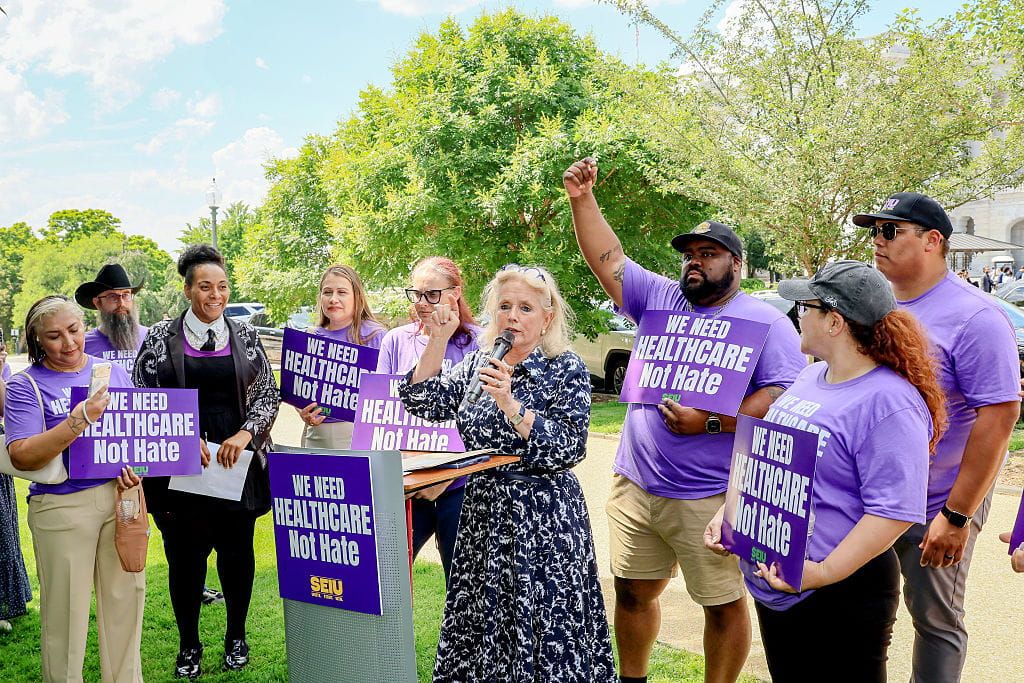
Unions and special-interest groups have doubled down on organized power, using membership dues and coordinated campaigns to push preferred agendas. This concentration makes it harder for independent or anti-establishment candidates to compete unless they tap into comparable infrastructure. The result favors continuity over the shakeup promised to voters.
On the regulatory side, administrative agencies have expanded their reach, often making policy through guidance and enforcement rather than transparent rulemaking. That creates a parallel layer of governance run by career officials rather than those elected to set direction. For Republicans focused on accountability, this trend is especially troubling and underscores the need to reclaim legislative authority.
The 2016 insurgency revealed real frustration with both parties, but that frustration has not yet produced durable institutional change. Reinforcement mechanisms reasserted themselves, absorbing reformist energy and converting it into more predictable, fundable politics. A movement that does not build its own durable institutions risks being neutralized by the very forces it challenges.
Looking ahead, the strategic task is clear: break the hold of shadow funding and rebuild institutions that reflect voters, not donors. That means promoting transparency in political spending, reducing regulatory capture, and creating competitive media spaces that elevate diverse voices. Without those changes, elections will remain performance contests while the real levers of power stay hidden behind legalese and bank transfers.
Practical reforms should be paired with grassroots organization that resists co-optation. Political outsiders must transition from protest to institution-building if they want to translate popularity into lasting change. Otherwise, the pattern that reasserted itself after 2016 will continue to dominate the next decade.

