

Long security lines at several U.S. airports stretched into baggage claim and parking areas this weekend, signaling wider travel disruptions as a government shutdown drags on and renewing calls to rethink how we staff and run airport security.
Travelers faced wait times that spilled out of terminals and into adjacent areas, creating crowded bottlenecks and frustration for families and business travelers. Airports and airlines scrambled to reroute passengers and manage space, while the public watched lines grow longer on social feeds and in terminals. The scene was a clear sign that the current approach to screening and staffing is brittle when Washington falters.
Those bottlenecks are not random. They stem from a staffing system trapped in the slow gears of federal employment rules and subject to political standoffs. When a shutdown hits, frontline operations like security screening get squeezed by hiring freezes, mandatory furloughs and a reliance on overtime that quickly becomes unsustainable. The result is uneven service and visible chaos at places where consistency matters most.
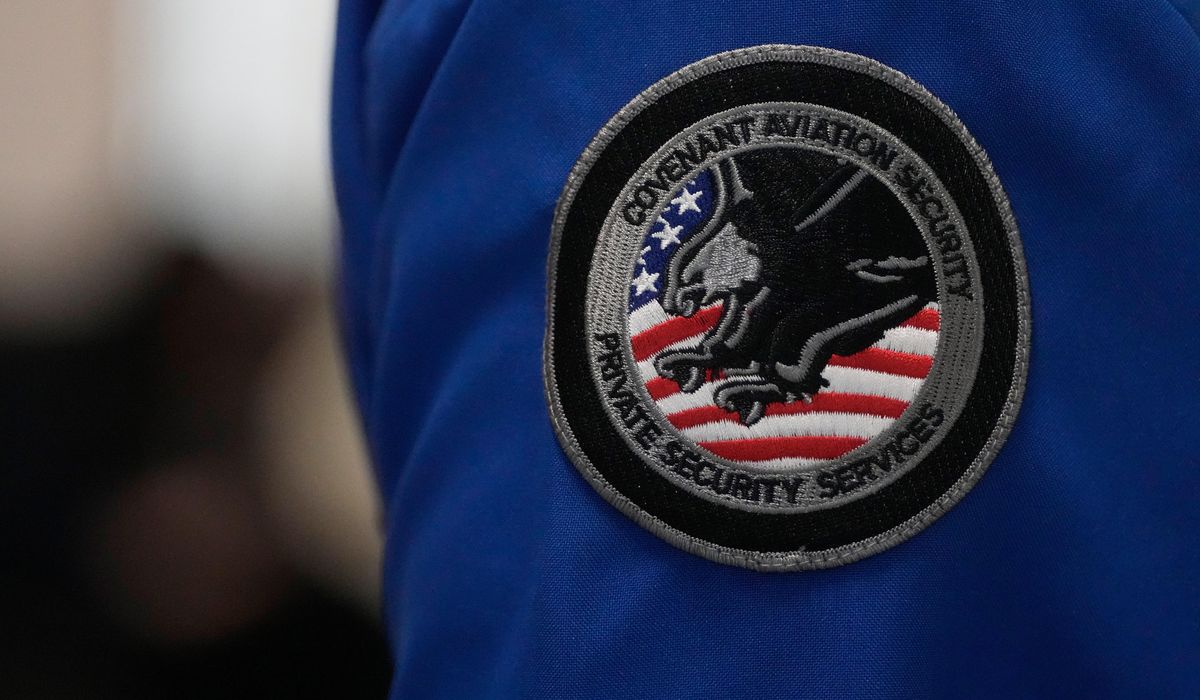
Republicans have raised a simple point: essential services should be resilient to politics. Privatizing or expanding competitive contracting for certain screening functions would let airports hire based on performance and demand rather than on a one-size-fits-all federal rulebook. Private operators already run many transportation and safety services around the world; the debate is whether those models can be adapted to meet strict U.S. security standards while avoiding the fragility of federal staffing during shutdowns.
Opponents worry about standards and accountability, and those concerns deserve an answer, not a reflexive no. A sensible reform would keep federal oversight of core security standards while allowing certified private firms to manage screening operations under rigorous audits and real penalties for failure. That dual approach preserves the essential requirements of counterterrorism and data security while introducing incentives for efficiency and reliability.
Practical steps could include competitive pilots at willing airports, strict background checks for contractor employees, and real-time performance metrics that are publicly available. Airports could contract for screening capacity that scales up or down with demand, avoiding the overtime treadmill and the sudden shortfalls that arrive with a political shutdown. When private firms compete on measured outcomes, customers win through shorter waits and more predictable travel schedules.
There’s also a taxpayer argument. Ongoing overtime and emergency pay during disruptions are costly and unpredictable, while fixed contracts tied to performance can be structured to reward reliability and penalize failure. Smart contracting can shift risks away from taxpayers while keeping safety nonnegotiable. That’s a conservative approach: reduce exposure to political stunts and get better service for the same or lower cost.
Airports and airlines already know the pain points: lost productivity, missed connections, and reputational damage when lines become a headline. Local airport managers should have more flexibility to test alternatives that promise steady staffing, modern training, and incentives for speed without sacrificing scrutiny. The last thing travelers need is for security to be rushed; they do need a system that keeps them safe and moves them efficiently.
Fixing this will require Congress to stop using essential services as bargaining chips and to let states and cities pilot responsible reforms. Change won’t happen overnight, and safeguards are essential, but standing still guarantees the same breakdowns the public just watched. Voters expect secure, reliable travel; that means designing systems that survive politics and put performance first.

