

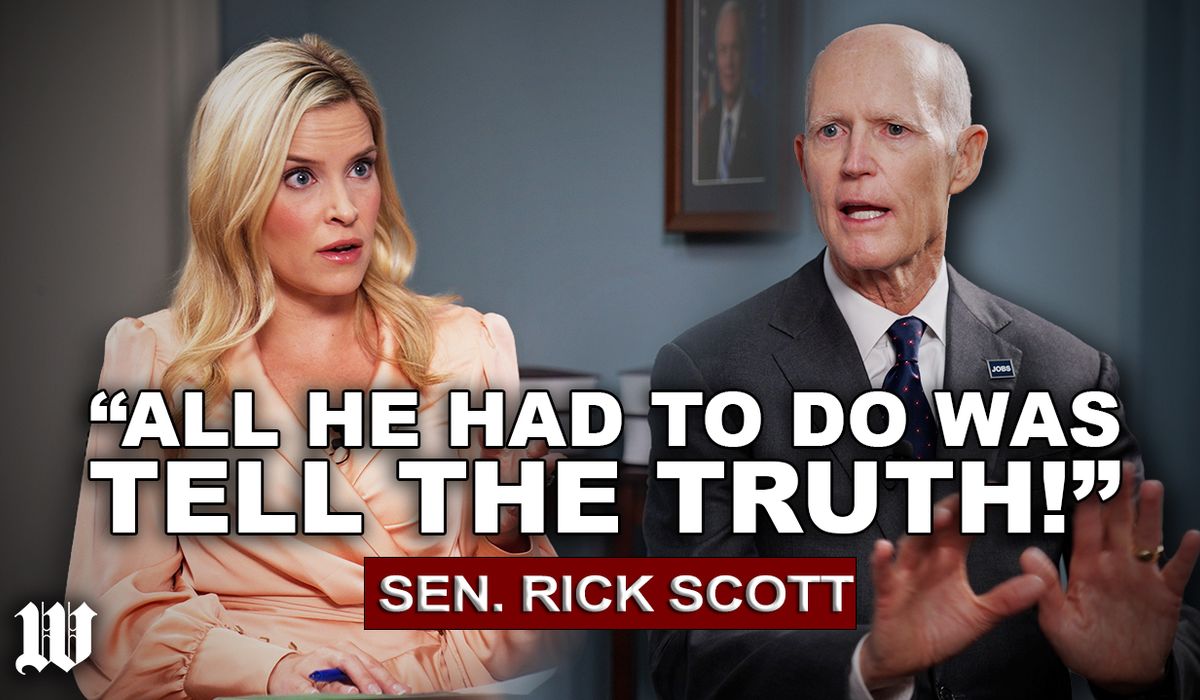
Sen. Rick Scott lays out his stance on holding federal officials accountable, advancing voter ID rules, and where he sees the tightest Senate races during an appearance on “The Sitdown with Alex Swoyer,” speaking plainly about priorities and political strategy.
Senator Rick Scott used a recent interview to push accountability first, arguing that oversight committees should follow the facts without fear. He framed the push for contempt proceedings as a necessary step when witnesses do not comply with lawful subpoenas. That emphasis on consequence fits a broader Republican message about transparency and responsibility in government.
On the topic of the Fauci contempt fight, Scott argued the issue is less about politics and more about upholding the rule of law. He said when witnesses refuse to answer or produce documents, Congress has no choice but to enforce its subpoenas. That enforcement, he believes, restores trust in oversight and prevents executive branch officials from operating without consequence.
When discussing voter ID legislation, Scott emphasized practical steps rather than flashy rhetoric. He highlighted that a secure voting system starts with states taking action and that Congress should support proven safeguards without federal overreach. His pitch combined a defense of voter integrity with respect for state authority, aiming to appeal to voters tired of election disputes.
Scott described a strategy for moving voter ID forward that focuses on building consensus where possible and using clear, persuasive arguments about security and fairness. He argued that common-sense reforms like requiring identification at the polls are simple measures to improve confidence. To him, the path is about steady legislative work and explaining the benefits to everyday voters.
Turning to the Senate map, Scott offered a blunt read: several races will be highly competitive and could decide control. He stressed that Republican candidates should run on economic competence, border security, and reducing government overreach. His view is that those themes connect with voters nationwide and will be decisive in close contests.
Scott warned that complacency is the real threat and urged candidates to focus on retail politics and clear messaging rather than relying on national trends alone. He urged organizing at the local level and keeping campaign messages tight and direct. In his telling, campaigns that ignore basic voter concerns risk giving away winnable seats.
Across these topics, Scott kept returning to a consistent line: accountability, secure elections, and disciplined campaigning. He framed those priorities as practical and achievable, not abstract. For voters and activists aligned with conservative principles, that blend of oversight and action defines his approach to governance.

