

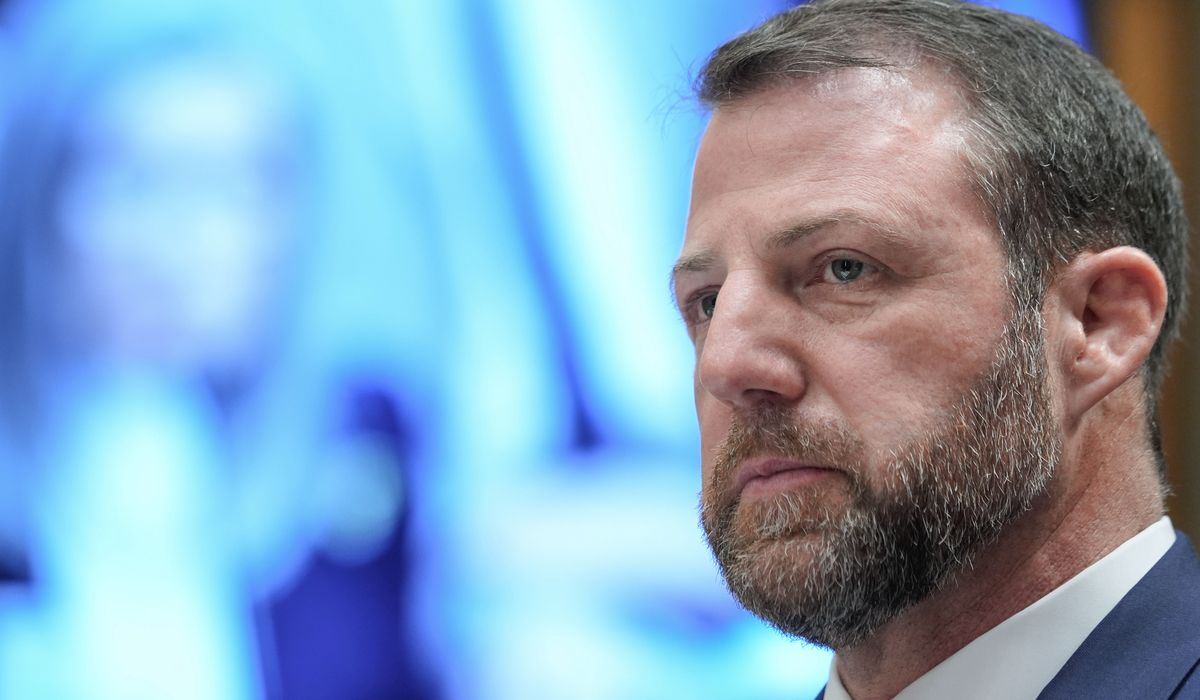
Sen. Markwayne Mullin was confirmed by the Senate Monday to lead the Department of Homeland Security, a move that gives President Trump an opportunity to steer the agency back toward stronger border control, clearer mission focus, and accountability.
The Senate voted Monday to install Sen. Markwayne Mullin as the new secretary at Homeland Security, handing President Trump a trusted ally to take on a sprawling, often partisan agency. For many Republicans, Mullin represents a practical, results-oriented choice who talks plainly about securing borders and supporting frontline officers. The confirmation closes a chapter of uncertainty at DHS and opens one focused on operational change.
Mullin arrives with a reputation for straightforward policymaking and close ties to conservative priorities in the homeland security arena. He has repeatedly emphasized the need to secure the border and prioritize the safety of American citizens, which resonates with voters who feel previous leadership lost sight of those basics. That credibility will matter when he pushes to reorganize programs and defend tough enforcement policies.
The immediate priorities are clear: tighten border controls, stop illegal crossings, and get federal resources where they actually help. Expect a renewed emphasis on deploying technology, strengthening ports of entry, and backing Customs and Border Protection agents with clearer rules and better equipment. Republicans will push Mullin to deliver measurable results, not just talking points.
Fixing DHS is about more than enforcement. The agency must also streamline its bureaucracy and restore accountability across multiple sub-agencies that often work at cross-purposes. Mullin’s role will include cutting red tape so frontline personnel can focus on threats instead of paperwork, while ensuring operations are transparent and subject to clear oversight.
Law enforcement within DHS, from ICE to TSA, should see stronger political and financial support under the new leadership. That means defending legal deportations, backing officers who follow the law, and improving training where gaps exist. Republican lawmakers will demand the department stop caving to political pressure and instead defend the rule of law consistently.
On technology and intelligence, the secretary must balance civil liberties with practical security gains. Upgrading data systems, improving cross-agency information sharing, and investing in cybersecurity will be key targets. Mullin’s mandate will likely include pushing for faster procurement cycles so agencies can adopt next generation tools rather than waiting years for fixes.
Politically, the confirmation sends a message that Republicans intend to control policy direction and prioritize national security as an elected mandate. Mullin will be under pressure from both conservatives who want immediate, tangible action and skeptics who will scrutinize every move for overreach. Navigating that political terrain will require blunt talk, steady implementation, and clear metrics to show progress.
Expect interest groups and the media to watch implementation details closely, but the core test will be whether DHS can reduce illegal entries, disrupt criminal networks, and protect critical infrastructure more effectively. Mullin’s tenure will be judged by outcomes on the ground, not by press conferences. For Republicans who have long argued DHS needed a course correction, this confirmation marks a chance to prove that a focused, accountable approach can deliver.

