

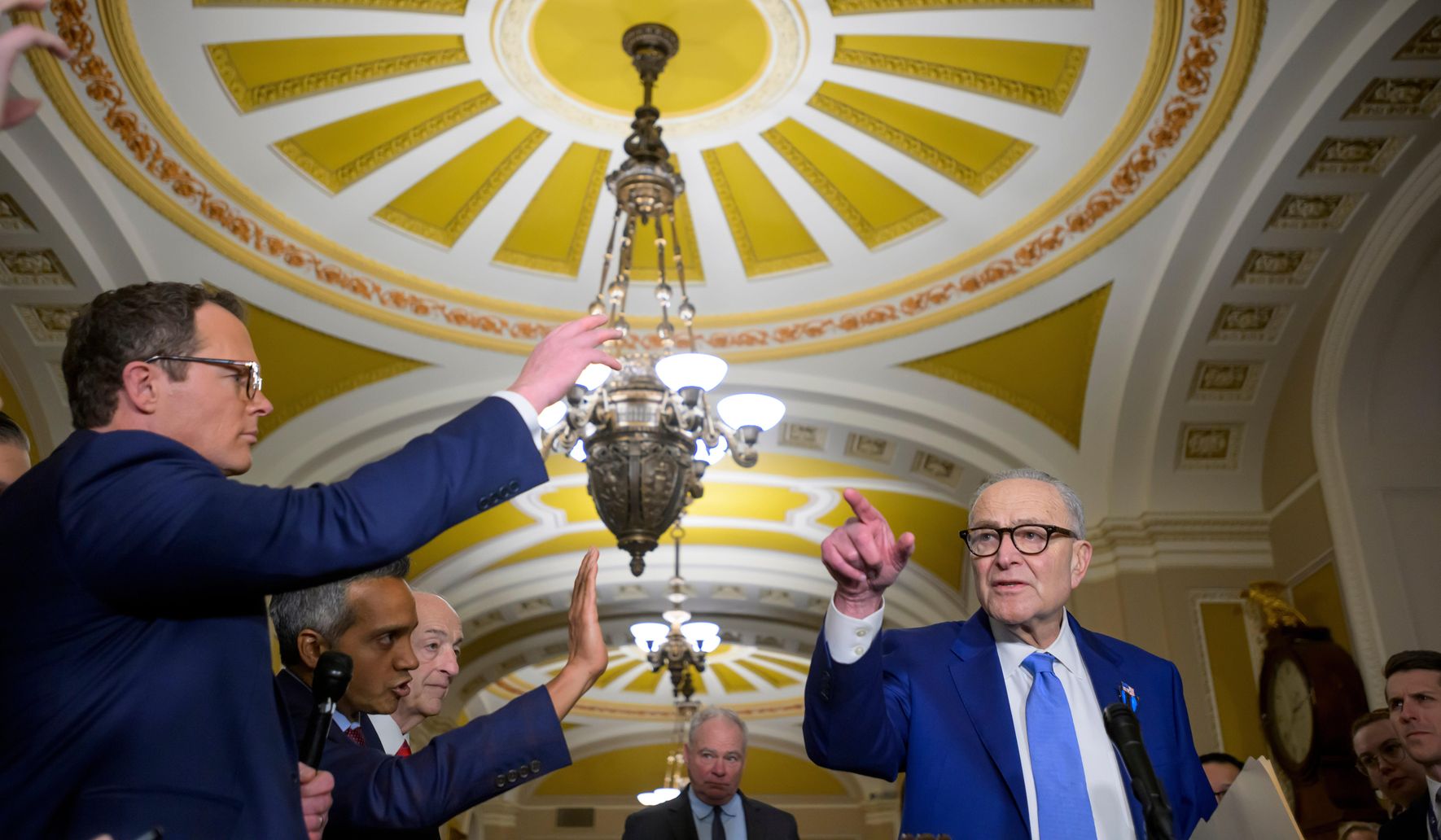
Senate Democrats again blocked Department of Homeland Security funding Tuesday, marking a second vote this month as they press for major changes to how the Trump administration carries out homeland security policy.
On Tuesday, Senate Democrats cast a second vote this month to block funding for the Department of Homeland Security, insisting on major policy changes before they will allow the bill to move forward. The move came amid heated debate over how the Trump administration manages border security, immigration enforcement, and DHS operations. Republicans argued the tactic is political and puts national security at risk.
Lawmakers on the Democratic side say their opposition is aimed at reshaping how the administration enforces policy and allocates resources within DHS, seeking new conditions and oversight measures tied to funding. That push for change includes demands for revisions to operational rules and more robust safeguards, according to statements made during the floor fights. Republicans counter that funding votes should not be hostage to broad policy rewrites.
From a Republican perspective, blocking DHS funding is an irresponsible gamble with public safety, because DHS supports critical functions from border patrol to disaster response. Budget interruptions can delay procurement, training, and support for federal, state, and local partners who rely on steady appropriations. In practical terms, these delays can slow down border operations, interrupt grant flows, and complicate long-term planning.
The second procedural defeat this month underscores a larger pattern of using funding votes as leverage rather than as moments to find compromise. Republicans see the tactic as political theater that sacrifices operational continuity for negotiating leverage. That view is grounded in the belief that defense of borders and preparedness for emergencies should not be conditional on passing broad policy packages.
Operational consequences can be immediate. Hiring freezes, postponed equipment purchases, and slower grant disbursements all follow when appropriation bills stall. Local law enforcement agencies, emergency managers, and community partners often feel the squeeze first, with training schedules and resource commitments pushed off the calendar. Those effects translate into reduced capacity at a time when agencies say they need predictable support.
Republican lawmakers have pushed back with proposals aimed at separating core funding from politically charged policy issues, arguing that appropriations should fund mission-essential work while discussions over policy continue on their own track. They maintain that targeted amendments or oversight provisions are the proper tools for resolving disputes without cutting off resources. That approach is sold as common-sense governance: fund the mission, then negotiate policy in parallel.
There is also a morale factor inside DHS to consider. Career civil servants and uniformed personnel who perform border security, immigration enforcement, and disaster relief need clarity and consistent backing from Congress. Frequent funding fights and last-minute stopgaps strain leadership and complicate recruitment and retention at agencies already stretched thin. Republicans point to those human costs when arguing against funding-block tactics.
The legislative calendar leaves little room for prolonged standoffs, and the recurring votes reflect both partisan strategy and genuine policy disagreement. As debates continue, the operational reality is simple: budgets that wobble make planning harder and make federal partners less effective. Senators on both sides will face pressure to translate rhetoric into workable solutions that keep essential functions running while addressing oversight concerns.

