

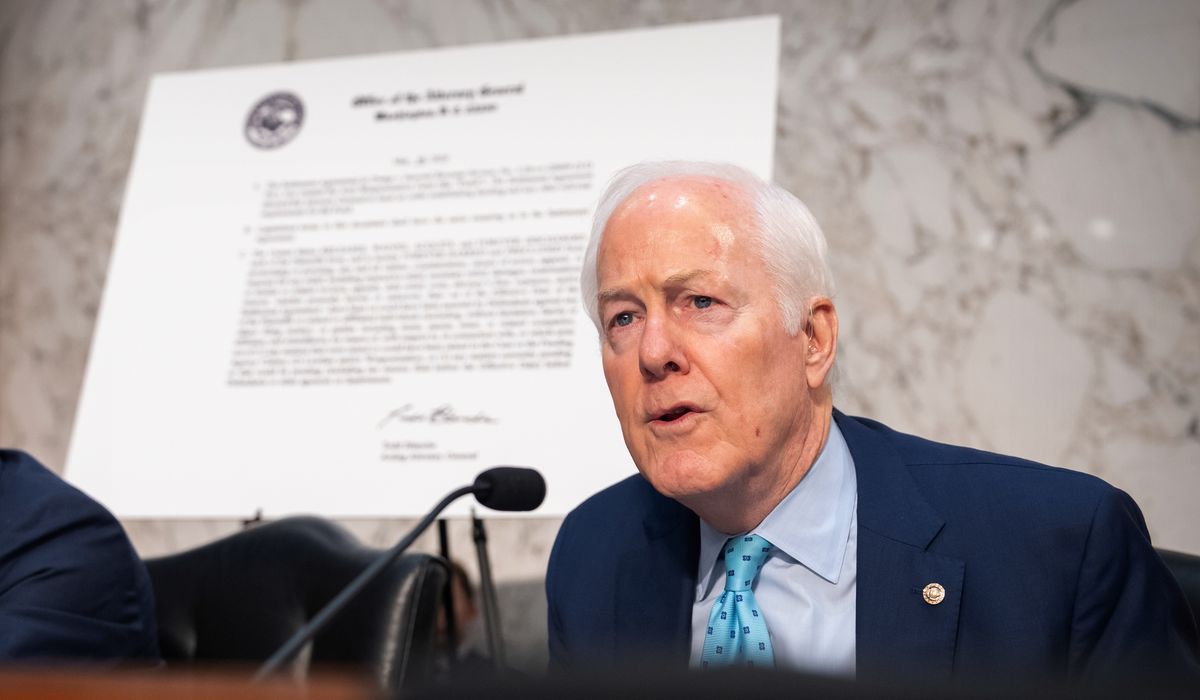
The Senate Judiciary Committee is expected to postpone a scheduled Thursday vote on Todd Blanche’s nomination for attorney general as two Republicans on the panel are not yet prepared to support
The committee’s move to delay a Thursday vote on Todd Blanche’s nomination signals friction inside GOP ranks, with two Republicans withholding support. That split highlights the rare but real possibility that a nominee can stall even when their party controls committee assignments. For conservatives who value thorough vetting, a pause can be a responsible step rather than a setback. This delay forces a cleaner spotlight on qualifications, priorities, and temperament before any confirmation push.
Committee deliberations are supposed to separate temperament and record from partisan noise, and Republicans on the panel are asserting that standard. Lawmakers who express hesitation aren’t automatically obstructionist; they’re asking for plain answers about prosecutorial philosophy and respect for constitutional limits. In a moment when voters are sensitive to overreach, committee members are right to demand clarity on how a lawyer nominated to be attorney general will balance law enforcement with civil liberties. That kind of scrutiny protects communities and preserves public trust.
Two Republicans declining to back Blanche suggests specific concerns, but it also reflects a broader instinct in the GOP to keep nominees accountable. Conservatives often emphasize restraint in prosecutorial power and fidelity to statutory text, and those instincts shape confirmation questions. Republican senators want to know whether a nominee will pursue law-and-order priorities, defend property rights, and respect due process for the accused. These are not abstract points; they’re the kinds of assurances voters expect before turning over great authority to a single officeholder.
Postponing a committee vote also buys time for a nominee to address detailed questions and for senators to review records line by line. That review matters because modern confirmation fights are often decided by narrow margins. A rushed process can lead to bad outcomes, including nominees who are unprepared or unwilling to commit to impartial law enforcement. For Republican members, taking extra time can be the difference between a nominee who answers plainly and one who hides behind evasions.
The optics of delay cut both ways, and Republicans know how to use that pressure constructively. Public scrutiny can force clearer positions on criminal justice, victim protection, and the proper limits on regulatory enforcement. When committee members press for specifics, it forces nominees into the light on issues like prosecutorial discretion, cooperation with local law enforcement, and priorities for the attorney general’s office. Voters deserve to see those answers before senators cast a decisive vote.
Practically speaking, the committee can reconvene with more information or an amended slate of assurances from the nominee. Republicans on the panel may seek commitments that align with conservative principles, including protecting free speech, guarding against federal overreach, and prioritizing violent crime and public safety. Those commitments are not about partisan gamesmanship; they’re about ensuring the attorney general won’t turn the office into a political weapon. Senators owe constituents a clear promise on how the office will be run.
The national party is watching how this plays out, because confirmation fights set precedents for future nominations. Republicans aiming to maintain credibility on law-and-order issues will be attentive to whether their colleagues hold firm when they believe standards are at stake. If the committee votes only after thorough answers and firm commitments, conservatives can point to a process that works. If the vote proceeds without resolving doubts, it risks alienating grassroots supporters who expect principled oversight.
For now, the postponement keeps options open: additional briefings, targeted questions, and possibly amendment of the record. Senators who hesitated can clarify what they need to see to support the nominee, while Todd Blanche has an opportunity to address specific GOP concerns directly. The next steps will reveal whether this is a temporary pause for due diligence or a longer stall driven by deeper disagreements over the proper scope of an attorney general’s power.

