

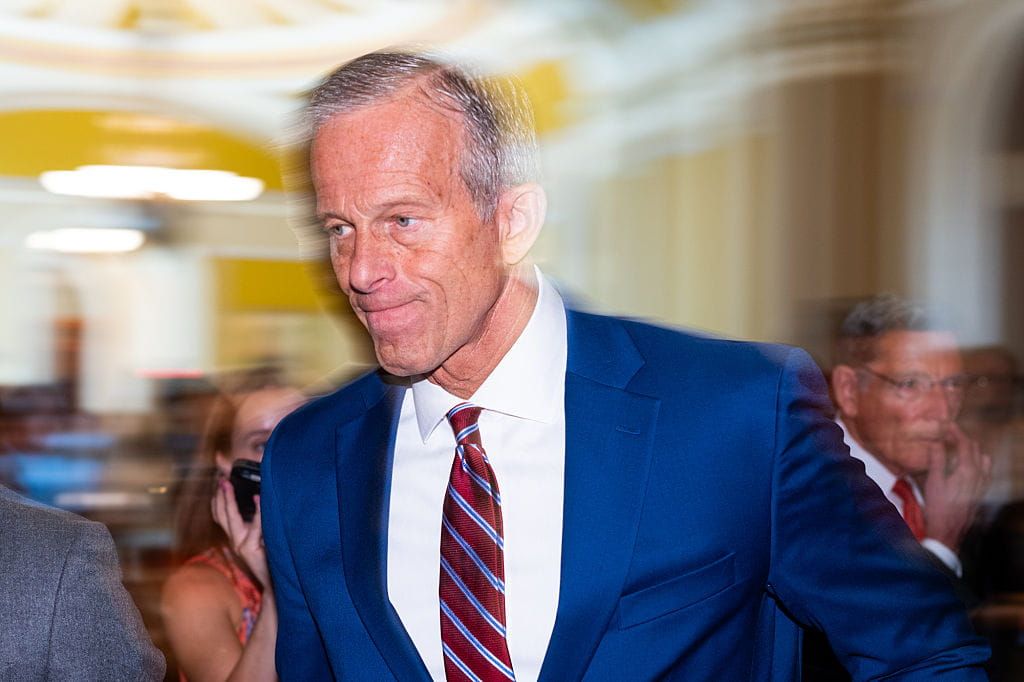
Senators are racing toward a Friday deadline, juggling last-minute amendments and must-pass measures as leadership scrambles to stitch together bills before the weekend.
The Senate is lining up a late-week push that will determine several major policy and spending outcomes for the remainder of the year. Lawmakers and staff are working long hours to negotiate language, allocate funds, and decide which riders survive the final cuts.
“So much to do, so little time.” That line captures the mood on the floor as senators trade offers, threaten holds, and weigh whether to force votes on contentious priorities. Republicans pushing for restraint say the crush of deadlines shows why budgeting should not be left to frantic, end-of-week deal-making.
Expect a mix of procedural tools as the clock runs out, including unanimous consent requests, voice votes to clear noncontroversial items, and cloture petitions when leadership needs to limit debate. Those familiar with the Senate know these maneuvers can mask real disagreement while letting big spending and policy changes slip through.
The bills in play include funding for core departments, a likely continuing resolution for unresolved appropriations, and other must-pass measures tied to national security and border enforcement. Conservative senators are pressing for spending caps and stronger immigration enforcement language, arguing that a responsible Senate would not sacrifice oversight for speed.
Negotiations are not only about dollars. Amendments on regulatory reform, energy policy, and liability protections are being floated as bargaining chips. Republicans are focused on trimming unnecessary mandates, halting bailouts for poorly managed programs, and protecting small businesses from one-size-fits-all rules.
Timing matters because procedural shortcuts often limit public scrutiny. When votes pile up late on a Friday, the average voter has little chance to follow the debate or pressure their senator. From a Republican perspective, that is a structural problem: democracy works best when major changes are debated openly, not rushed through to meet an arbitrary calendar.
Still, some members of both parties prefer last-minute bundling because it can package compromises that were impossible earlier in the cycle. The danger is that bundling can entrench policies that include spending increases or regulatory shifts without transparent trade-offs. Conservative lawmakers insist on clarity so taxpayers know what they are funding.
Expect floor managers to announce a schedule that leaves room for surprise amendments, informal side deals, and an up-or-down vote on crucial language. Whatever comes out of Friday’s session will shape the September and October policy fights and could set the tone for next year. Aug 7, 2026 sits on the calendar as a reminder that deadlines often drive results, for better or worse.
Republicans will be watching for winners and losers in the final text, looking to block open-ended spending and preserve constitutional checks on federal power. The push for a clean, accountable process will be loud enough to influence debates in coming weeks, even if the immediate outcome is imperfect.

