

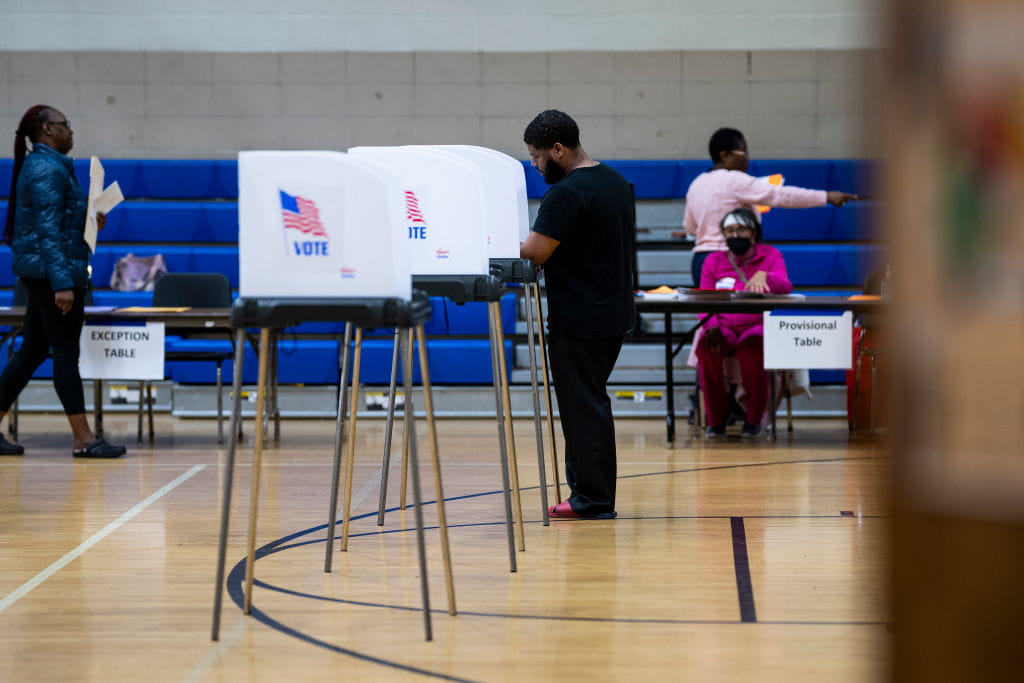
The Senate is poised to consider the SAVE America Act, a measure led by Senator Mike Lee (R-UT) that would require proof of citizenship to vote, and Republican momentum has pushed the bill closer to a floor vote after winning 48 GOP co-sponsors. The proposal has reignited debates over election integrity, state control of voting rules, and partisan tensions in Washington.
The SAVE America Act, sponsored by US Senator Mike Lee (R-UT), would require proof of citizenship to participate in US elections. That central change is aimed at creating a uniform federal requirement to verify voter eligibility at registration or the ballot box.
Supporters frame the bill as a straightforward step to protect the franchise for citizens and to restore faith in our voting systems. They argue that requiring documentation is a commonsense safeguard against mistakes and fraud without stripping eligible voters of their rights.
Opponents counter that the change could make it harder for some Americans to register and vote, especially those who lack easy access to documents. Democrats and voting rights groups warn that even neutral rules can have unequal effects and call for protections to prevent disenfranchisement.
Political reality matters here because the bill’s path depends on Senate dynamics and procedural hurdles. A measure like this will need support beyond a simple majority to clear possible filibusters and committee obstacles, and that shapes how senators talk about it publicly.
Republicans who back the bill point to the 48 co-sponsors as evidence of serious interest and momentum within their conference. That level of backing sets up a clear negotiation over whether the Senate will allow a vote and how amendments might alter the bill’s details.
Election-law experts say the actual implementation would fall largely to states, with the federal standard serving as a floor rather than a one-size-fits-all mandate. States with established ID and documentation systems could adapt more easily, while others would need time and resources to comply.
That federal-state balance is a central political flashpoint. Conservatives favor stronger federal standards to prevent chaos and uneven rules across state lines, while many liberals argue for federal oversight to protect voter access in states with restrictive practices.
Practical questions also drive the debate: which documents qualify, how to handle naturalized citizens or military families abroad, and what remedies exist for those who are eligible but lack paperwork. Lawmakers and policy analysts are already outlining options to address those footholds.
Money and administration matter, too, since any new requirement will bring costs for verification systems and public outreach. Republicans emphasize that clear rules and targeted funding can make the process smooth, while critics say the costs could burden states and local election offices.
The politics of timing are important. With governors, secretaries of state, and local officials watching closely, senators must weigh constituent reaction and electoral consequences. For Republicans, the issue ties into broader themes of border security, citizenship, and trust in institutions.
Public messaging will play a big role as debate ramps up. Supporters will stress citizenship and integrity, while opponents will highlight access and potential unintended barriers. Both sides are already preparing legal and legislative strategies to shape how the bill is debated and amended.
At the core, the SAVE America Act forces lawmakers to pick priorities: stricter verification to bolster confidence in results or safeguards to ensure broad, equal access for every eligible voter. Expect a heated, highly public contest over those competing principles as the Senate moves toward a vote.

