

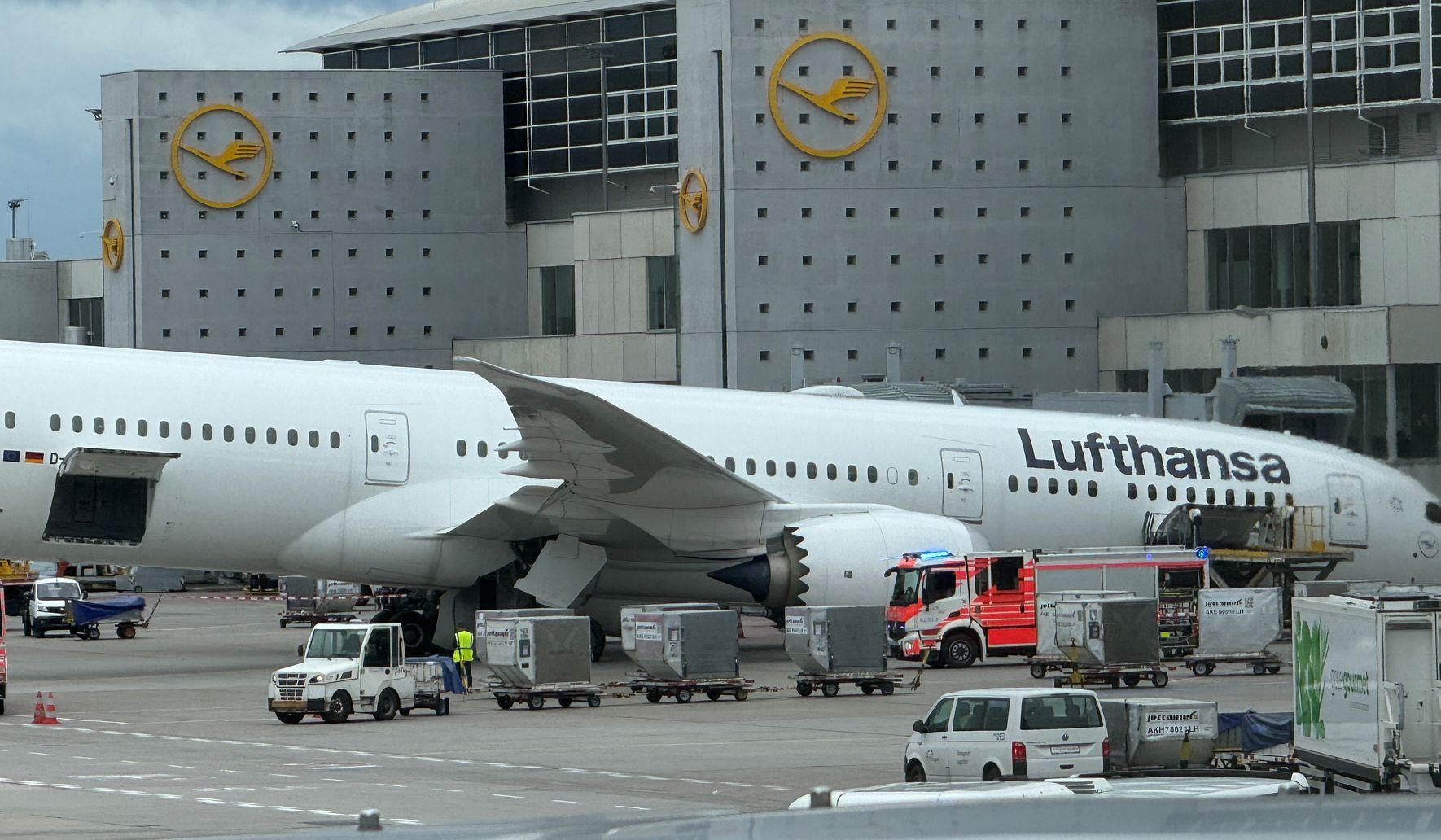
A Lufthansa Boeing jet suffered a nose gear collapse while parked at a gate at Frankfurt airport on Thursday, and German airline Lufthansa said several employees were injured in the incident.
The incident took place while the aircraft was stationary at a gate, according to reports, and the nose gear gave way beneath the jet. Ground crews and emergency responders reached the scene quickly to secure the area and tend to the injured staff. Airport operations were disrupted as teams assessed the damage and cleared the gate for safety.
Lufthansa confirmed that several employees were hurt in the collapse and has opened an internal review to determine what happened. The airline emphasized that the event occurred while the plane was parked, which limited the potential for passenger injuries. Authorities and safety inspectors are expected to examine maintenance records and the condition of the landing gear.
Nose gear collapses are relatively rare but can occur for several reasons, including mechanical failure, maintenance errors, or component fatigue after many flight cycles. Investigators typically look at recent inspections, repair history, and any anomalies in parts supplied or installed on the aircraft. Until those checks are complete, officials will avoid speculation about a single root cause.
The immediate priority after such an event is safety and care for those affected, and that means medical attention for injured workers and a secure cordon around the aircraft. Teams also document the scene thoroughly, photographing damage and gathering testimony from ground personnel who were present. Those records form the basis for both an operational incident report and any subsequent regulatory inquiry.
Operationally, a collapsed nose gear at a gate can have ripple effects across a busy hub like Frankfurt, where turnarounds are tightly scheduled and gate space is at a premium. If the jet is grounded for an extended period, airlines must shuffle other flights and reposition crews to keep networks moving. Ground handling providers and airport operations coordinate to minimize knock-on delays while ensuring the damaged aircraft is removed safely.
For the airline, there are practical and reputational considerations as well: repairs need to be done properly, parts inspected, and any systemic issues identified and corrected. Boeing aircraft undergo detailed oversight from carriers and regulators, but when failures occur airlines must show clear steps taken to prevent a repeat. Transparent communication about the investigation and remedial measures helps maintain public trust.
From an engineering standpoint, landing gear systems include multiple redundancies and are built to tolerate significant loads, yet they require rigorous maintenance and part traceability. Investigators will likely pull maintenance logs, component serial numbers, and service bulletins to see if a known issue or recent intervention played a role. If a manufacturing defect is suspected, the supplier chain becomes part of the review.
The human side of the story matters too: the workers injured in the collapse will be the focus of support from Lufthansa and its partners, with medical care and workplace safety reviews following. Companies typically offer counseling and a detailed workplace safety audit after such events to reassure staff. Ensuring that injured employees receive proper care is a practical obligation and a moral one.
Regulators at the airport and national aviation authority will monitor the airline’s investigation and decide whether to impose additional inspections or temporary operating restrictions. Those bodies will also evaluate whether broader fleet inspections are warranted, depending on initial findings. Any changes recommended could affect schedules, maintenance planning, and spare parts inventories for affected models.
In the coming days, authorities and Lufthansa will provide updates once preliminary findings are available, and the investigation will determine if maintenance practice, component failure, or another factor caused the collapse. Meanwhile, the focus remains on the injured employees, safe removal of the aircraft, and restoring normal gate operations at Frankfurt. Officials stress that rigorous investigative steps are standard procedure to prevent similar incidents in future.

