

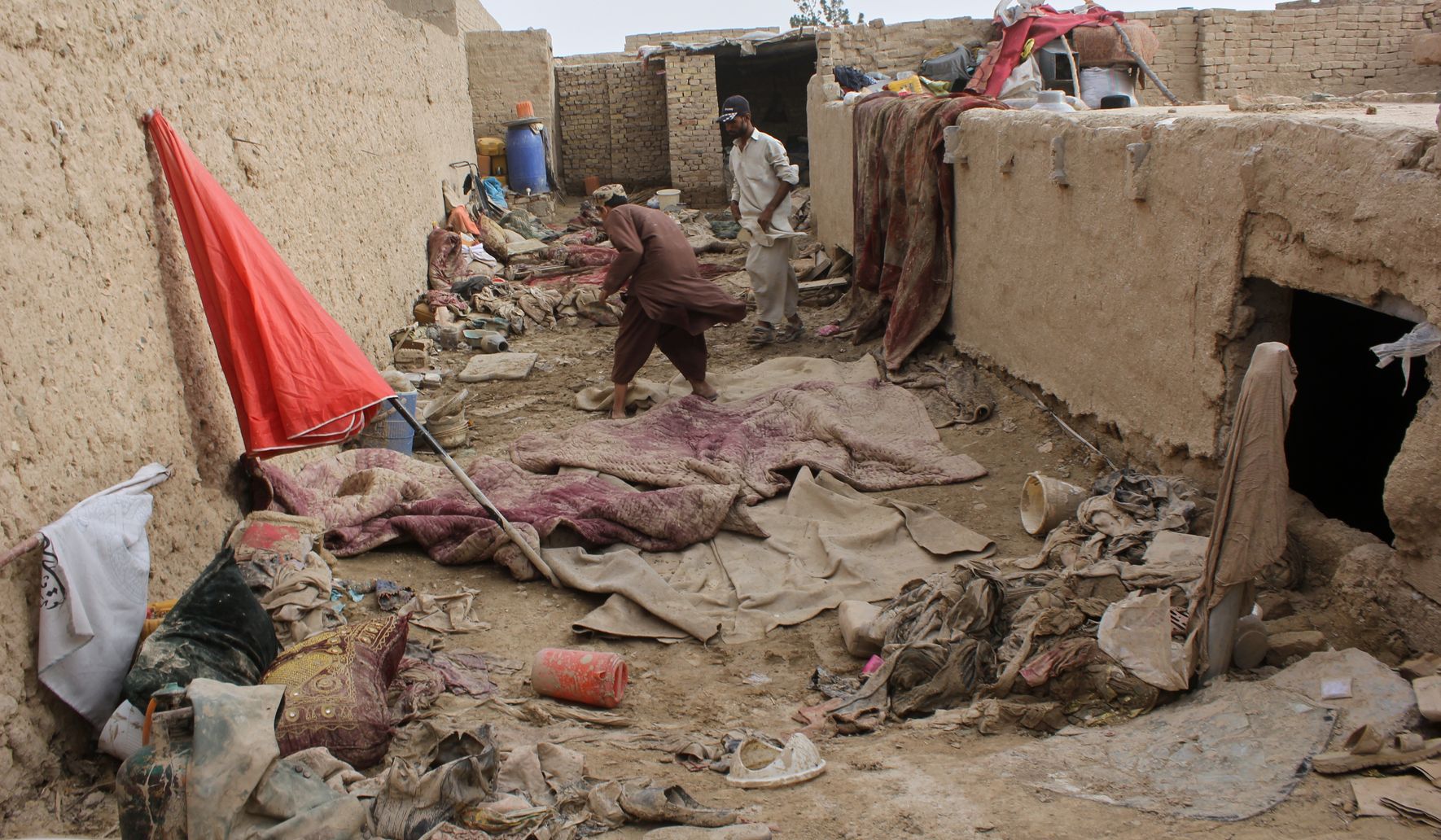
Afghan authorities reported Monday that severe weather sweeping the country over the past four days has left 28 people dead and 49 injured, with widespread damage and ongoing rescue operations as teams try to reach hard-hit areas.
Officials confirmed that the death toll has risen to 28 and that 49 people have been reported injured after four days of severe weather across large parts of Afghanistan. Local authorities said the storms affected both urban centers and isolated districts, creating a mix of damages that vary by region. Reporting has focused on the human toll and the challenges of getting help to remote communities.
Dozens of people have been displaced by collapsed or badly damaged homes as roads and bridges sustained damage that limited immediate access for relief teams. Emergency shelters have been set up where possible, and families are coping with lost belongings and disrupted services. The destruction of housing stock increases the short-term need for shelter, warm clothing and basic supplies.
Medical centers in impacted areas have been treating the injured, with health workers stretched thin as they handle multiple casualties at once. Local clinics and hospitals are triaging cases while trying to maintain routine care, and transport delays slow the movement of patients to better-equipped facilities. Health officials stress that continued weather and limited road access complicate efforts to move critical cases for advanced treatment.
Authorities have mobilized search and rescue teams and used whatever transport is available to reach cut-off villages, but the scale of the damage in some places means it will take time to account for everyone. Utility outages and blocked roads have hampered communications and delivery of aid, forcing teams to prioritize the most urgent calls for help. Coordination between provincial and national agencies is underway to map needs and deploy resources where they are most needed.
Beyond immediate rescue and medical work, there are growing concerns about infrastructure and livelihoods; damage to roads, irrigation and local markets threatens access to food and basic services in the coming days. Farmers and small business owners in affected zones face a period of uncertainty as assessments are completed and recovery plans are developed. Restoring transport links and power will be a critical first step to allow assessments and repairs to move forward at scale.
Relief planners note that figures could change as teams reach isolated settlements and collect more detailed reports from the field. Initial counts often rise when responders can access areas cut off by washouts or debris, and authorities are continuing on-the-ground checks. The evolving situation means officials must remain flexible as they reallocate personnel and supplies to emerging hot spots.
Local leaders and officials are urging patience as response operations continue and say that documenting damage and prioritizing vulnerable households will guide aid distribution. Emergency crews are also assessing weather forecasts to avoid sending teams into conditions that could create additional risk. While rescue work continues, the focus remains on getting immediate help to the injured and displaced while preparing for the longer task of rebuilding and recovery.

