

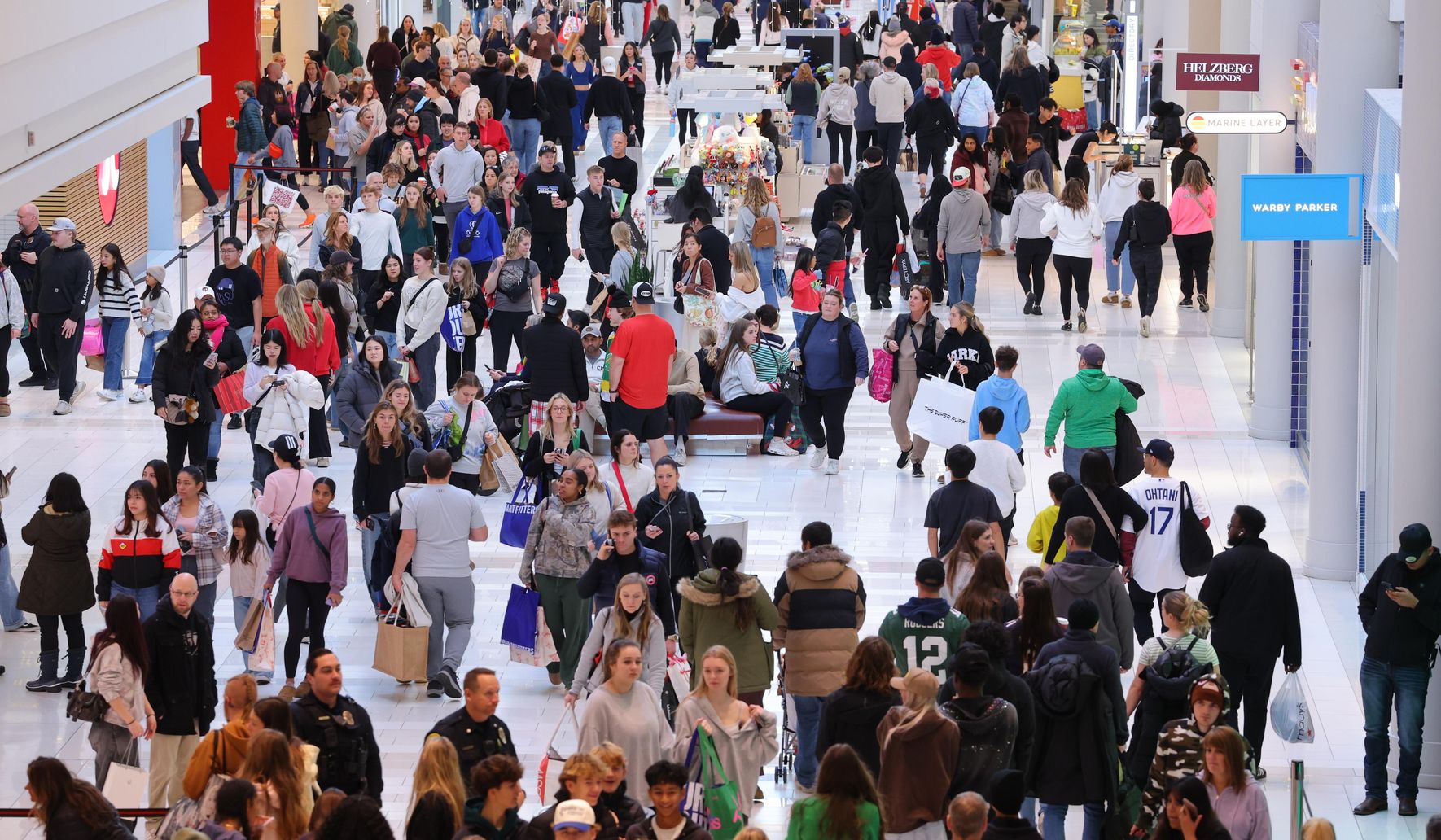
Shoppers showed up in force for Black Friday, turning a weekend that started with uncertainty into one where billions were spent across stores and online platforms, shaping the early holiday season for retailers and consumers alike.
Despite wider economic uncertainty hovering above this year’s holiday season, shoppers turned out in big numbers for Black Friday – spending billions of dollars both in stores and online. Foot traffic surged at many malls and big-box locations while online storefronts logged heavy demand, creating a mixed but robust picture for retail. The weekend felt like a collision of old-school bargain hunting and modern convenience shopping.
Retailers reported that a combination of steep promotions and expanded inventory drove customers through doors and to checkout pages, with both channels contributing to the big-dollar totals. Some chains leaned hard on doorbuster deals and limited-time bundles, while e-commerce players pushed flash sales and free-shipping thresholds. That dual approach helped convert cautious shoppers into buyers despite lingering concerns about prices and household budgets.
From the consumer side, there was a clear focus on value, with many hunters targeting electronics, home goods, and seasonal items that historically see the deepest discounts. Wallet-conscious shoppers compared in-store markdowns to online coupons and used curbside pickup to avoid carrying heavy purchases. The result was a split behavior pattern: spend more on fewer meaningful purchases, rather than many small impulse buys.
Store operators scrambled to staff peak hours and manage checkout lines, which in some cases stretched capacity and highlighted gaps in preparation. Meanwhile, warehouses and last-mile teams faced intense pressure fulfilling same-day and next-day delivery promises. Returns and exchanges, always a post-holiday headache, already looked destined to rise with the big sales volume, testing customer service resources over the coming weeks.
Market observers noted that while Black Friday brought a shot of adrenaline to holiday sales, the broader economic picture remains uneven, with inflation, interest rates, and supply patterns all in play. That mix makes every sale count for retailers trying to lock in profitable quarters while avoiding clearance backlogs. Investors and analysts will be watching conversion rates and average order values to see whether the weekend translates into sustainable momentum.
Technology shaped much of the weekend experience, with mobile apps and real-time inventory displays steering shoppers to available deals and click-and-collect options. Social feeds and targeted ads amplified specific bargains, narrowing the shopping window for many popular items. The tech layer also exposed smaller merchants who couldn’t match fulfillment speed or promo depth, creating an uneven field where scale mattered a lot.
Smaller retailers faced a different reality: the noise of national promotions made it harder to compete on price, forcing local shops to emphasize service, unique stock, or bundled offerings. For independent sellers, the challenge was getting noticed without the heavy discounting that big chains can absorb. Those dynamics will shape who benefits most when the holiday cadence picks up toward December.
Looking ahead, the patterns that emerged over Black Friday will influence inventory decisions, ad spending, and staffing for stores across the country in the final shopping weeks. Retailers that balance pricing discipline with operational readiness stand a better chance of turning this surge into profitable holiday sales. Consumers, meanwhile, will keep chasing value, and the market will answer with deals, logistics moves, and last-minute pivots that could define the season.

